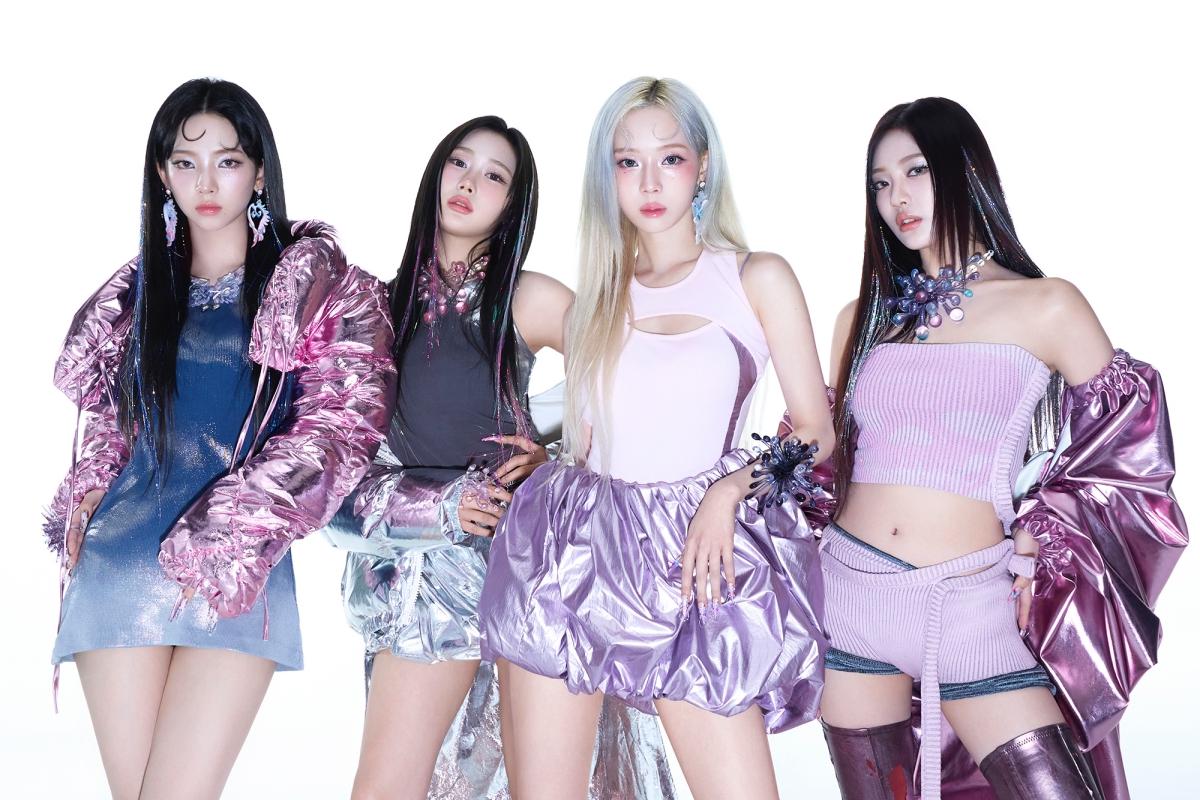
When SM Entertainment launched a four-piece girl group featuring both real-world performers and virtual avatars, the K-pop industry paid close attention. Aespa members debuted in November 2020 with the digital single Black Mamba, instantly sparking global curiosity about how an artificial intelligence concept would merge with traditional idol performance.
The group consists of four distinct vocalists and dancers: Karina, Giselle, Winter, and Ningning. Each artist brings a specific vocal tone, performance style, and personal background to the lineup, anchoring the group's intense hyper-pop and melodic tracklist. Understanding their individual positions, training histories, and artistic identities clarifies how the group maintains its sharp synchronization on stage.
Karina
Born Yoo Ji-min on April 11, 2000, in Suwon, South Korea, Karina serves as the leader, main dancer, lead rapper, and face of the group. Before her official debut, she gained prior attention through a dance collaboration appearance with labelmate Taemin of SHINee in late 2020.
Training Background and Skills
Karina trained under SM Entertainment for approximately four years after being scouted via social media. Her dance background heavily influences the choreography-heavy title tracks like Next Level and Savage. Beyond her physical execution, she handles key rap lines and often opens tracks with distinct vocal phrasing.
Public Persona and Side Projects
Within the group's conceptual lore, Karina's virtual counterpart is ae-Karina. Outside of group releases, she has participated in special units like Girls On Top (GOT the beat) alongside veterans from BoA to Girls' Generation, showcasing her versatility across different generations of K-pop performance styles.
Giselle
Born Eri Uchinaga on October 30, 2000, in Tokyo, Japan, Giselle holds the position of main rapper. Raised in a multilingual environment, she is fluent in English, Japanese, and Korean, which heavily contributes to the global promotional appeal of the group.
Entry into SM Entertainment
Unlike many idols who spend half a decade training, Giselle joined SM Entertainment through the Saturday Open Audition, a notoriously competitive monthly tryout. She trained for roughly eleven months before debuting, a remarkably short preparation window for a major agency release.
Musical Contributions
Giselle writes and contributes to various English rap verses across the group's discography. Her deep, resonant vocal tone provides a stark textural contrast to the brighter registers of her bandmates, anchoring tracks like Spicy and Drama with rhythmic stability.
Winter
Born Kim Min-jeong on January 1, 2001, in Yangsan, South Korea, Winter acts as the lead vocalist and lead dancer. Her distinct stage name was chosen because she was born in the winter season and possesses a clean, crisp vocal delivery reminiscent of snowy weather.
Discovery and Vocal Technique
Winter was scouted at a dance festival in her hometown and spent about four years as an SM trainee. Her vocal capabilities allow her to hit high notes and deliver stable live performances while executing fast-paced choreography. Critics often highlight her vocal flexibility, shifting smoothly between sweet pop melodies and aggressive dance hooks.
Collaborative Work
Like Karina, Winter participated in the Girls On Top project, proving her capability to hold her own alongside senior vocalists. She also frequently participates in dramatic original soundtracks for television series, expanding her personal discography outside of standard group comebacks.
Ningning
Born Ning Yizhuo on October 23, 2002, in Harbin, China, Ningning is the main vocalist and the youngest member of the lineup, commonly known in K-pop terminology as the maknae.
Early Appearances and Training
Before joining SM Entertainment, Ningning competed in various singing shows in China, displaying a natural affinity for powerful ballad delivery. She was introduced as part of the SM Rookies pre-debut team in 2016 and trained for roughly four years before stepping onto the stage for Black Mamba.
Vocal Identity
Ningning possesses a rich, soulful vocal style that anchors the emotional bridges and climaxes of Aespa songs. Her ability to sustain high-register belts gives the group's hyper-pop sound its signature soaring quality, particularly evident in tracks like Savage and Armageddon. Fans often track her progress through official content shared on the SM Entertainment Official Website.
Group Concept and Synchronized Growth
The defining feature of Aespa isn't just individual talent, but how the four artists navigate the complex Kwangya fictional universe created by their agency. While the virtual avatar concept initially confused casual listeners, the members quickly grounded the project through raw performance ability.
Evolution of Sound
Over the years, the group transitioned from experimental electronic beats to a broader sonic palette that includes nostalgic 2000s pop-rock and heavy bass tracks. This shift allowed each member to demonstrate range beyond the initial futuristic concept. You can read more about their ongoing releases through Billboard.
Common Misconceptions
- Are the avatars real people? No, the ae characters are computer-generated digital counterparts designed to interact with the members in narrative music videos and promotional content.
- Did they all debut at the same time? Yes, all four debuted simultaneously in November 2020, though their individual training periods varied from under a year to four years.
Frequently Asked Questions
Who is the leader of Aespa?
Karina is the official leader of the group, chosen for her reliability, strong communication skills, and central positioning in choreography.
What languages do the members speak?
The group is multilingual. Giselle speaks fluent English, Japanese, and Korean. Ningning speaks Mandarin and Korean, while Karina and Winter are native Korean speakers with varying conversational English skills.
How many members are in Aespa?
There are four human members: Karina, Giselle, Winter, and Ningning.
What was their debut song?
They debuted on November 17, 2020, with the digital single Black Mamba, which broke records for the fastest K-pop debut music video to reach 100 million views at the time.



