Modern animal hospitals face a constant operational squeeze: clients expect faster answers, cases are increasingly complex, and clinic staff are stretched thin. Traditional reference laboratory turnaround times can leave patients waiting days for vital chemistry or hematology profiles. Zoetis Dx transforms this workflow by integrating advanced point-of-care instruments, artificial intelligence, and reference lab networks into a single cohesive ecosystem.
This ecosystem brings specialist-level diagnostics directly to the clinic floor. Veterinarians can run comprehensive panels, analyze digital cytology, and review fecal samples in minutes rather than days. By combining hardware like the Vetscan VS2 with AI-powered platforms such as Vetscan Imagyst, clinics reduce diagnostic bottlenecks, improve therapeutic accuracy, and communicate results to pet owners before they leave the exam room.
Core Components of the Zoetis Dx Ecosystem
The strength of the platform lies in its hardware and software interoperability. Rather than operating isolated analyzers, clinics connect multiple modalities through unified workflow software.
Point-of-Care Analyzers and Hematology
In-house testing speed dictates how quickly emergency and critical care patients receive life-saving interventions. Chemistry analyzers like the Vetscan VS2 provide complete diagnostic profiles from a few drops of whole blood, serum, or plasma.
Hematology has similarly evolved beyond manual cell counts. The Vetscan OptiCell introduces cartridge-based complete blood count analysis using viscoelastic focusing and artificial intelligence. This technology delivers accurate cellular differentiation at the point of care without the complexity of traditional impedance counters. Clinics get immediate insights into inflammation, anemia, and infection markers while the patient is still present.
Artificial Intelligence in Diagnostics
Manual slide reading for parasites and cytology is time-consuming and subject to inter-observer variability. The Vetscan Imagyst platform addresses this by combining high-resolution scanning with deep learning algorithms.
- AI Fecal Analysis: Detects parasite eggs and cysts in minutes by scanning prepared fecal samples.
- Digital Cytology and Blood Smears: Captures digital images of slides and transmits data securely for expert review or immediate AI classification.
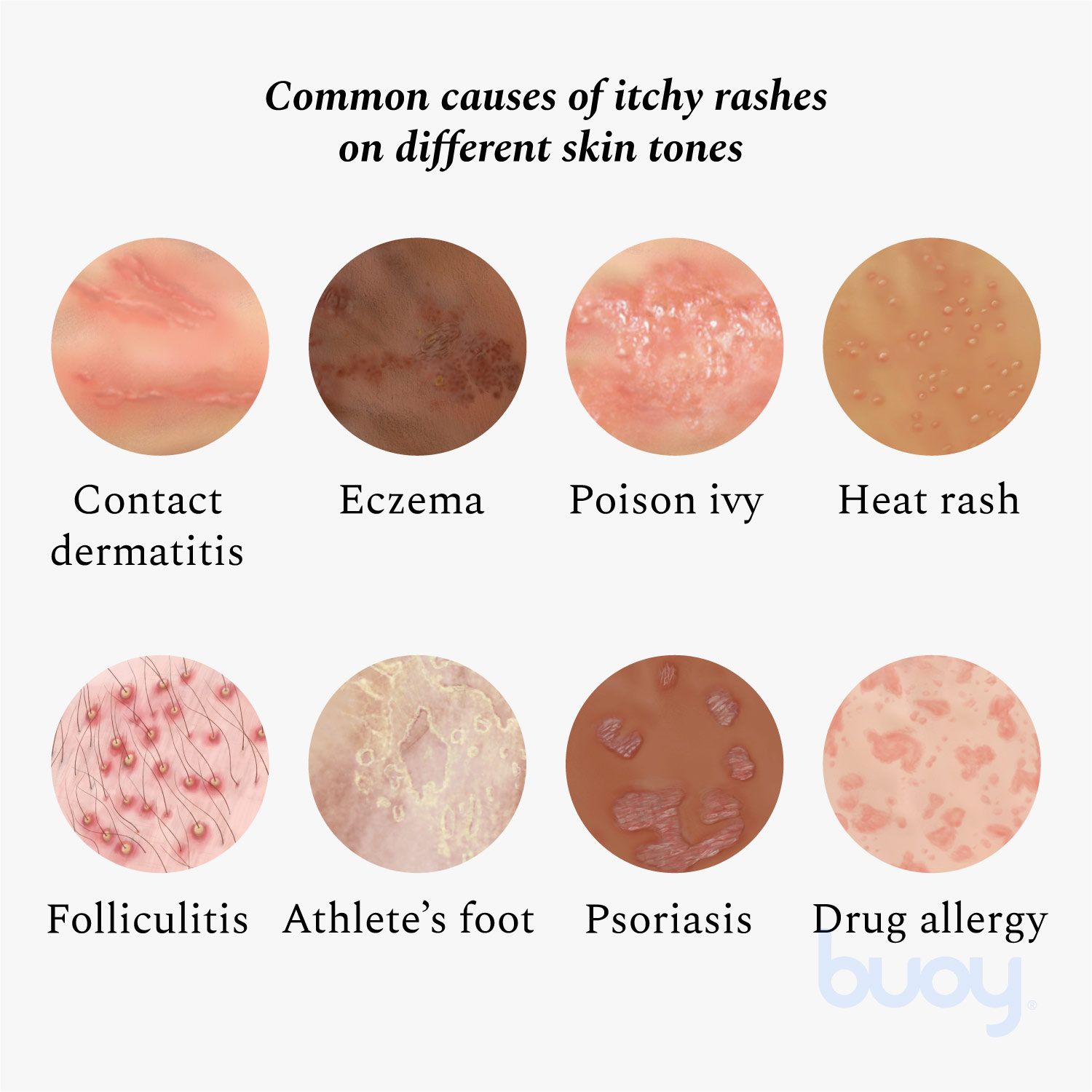
- AI Dermatology: Assists in identifying cellular patterns associated with common skin and ear cytology preparations.
Workflow Integration and Practice Efficiency
Hardware speed means little if data is trapped in siloed machine software. The Zoetis FUSE connectivity platform links in-house analyzers directly to practice management software.
Bidirectional communication eliminates manual transcription errors. Technicians select test orders from the practice management software, and results populate automatically into the patient record once the analyzer cycle finishes. This seamless flow reduces administrative friction, allowing veterinary technicians to focus on patient comfort and client communication instead of paperwork.
Furthermore, the Zoetis Virtual Laboratory bridges the gap between in-clinic testing and specialist expertise. When an in-house sample yields ambiguous results, clinicians can leverage integrated support networks of board-certified clinical pathologists and specialists to review cases rapidly.
Clinical Impact on Patient Outcomes
Accurate diagnostics directly influence therapeutic choices, minimizing trial-and-error treatments that can harm patients or delay recovery. For instance, identifying specific pathogen signatures or accurate blood glucose trends using dedicated meters like AlphaTrak 3 prevents mismanaged dosing in diabetic animals.
When clinics deploy reliable diagnostics on-site, they build stronger trust with pet owners. Explaining a visual AI fecal smear or an immediate blood chemistry panel on a consultation room screen helps owners understand disease processes instantly. Transparency fosters compliance with treatment plans and preventative care recommendations.
Frequently Asked Questions
How does Vetscan Imagyst differ from traditional microscopy?
Traditional microscopy requires manual identification of cells or parasites under a microscope, which depends heavily on individual operator experience and time availability. Vetscan Imagyst uses automated scanning and advanced algorithms to analyze samples rapidly, standardizing detection and providing digital images that can be saved or shared instantly.
Can Zoetis Dx instruments integrate with existing practice management software?
Yes, connectivity tools like Vetscan FUSE enable bidirectional integration with many major practice management software systems. This automates test ordering and results logging, cutting down manual data entry errors.
What species are supported by Zoetis diagnostic analyzers?
Most core point-of-care analyzers, such as the Vetscan VS2 and HM5, support common companion animals including dogs, cats, and horses, with specialized systems like AlphaTrak tailored for species-specific monitoring like feline and canine diabetes management.
How are software updates handled for AI diagnostic platforms?
AI platforms receive routine cloud-based updates that refine algorithm accuracy, expand diagnostic capabilities, and incorporate new test types as they become validated by clinical studies.