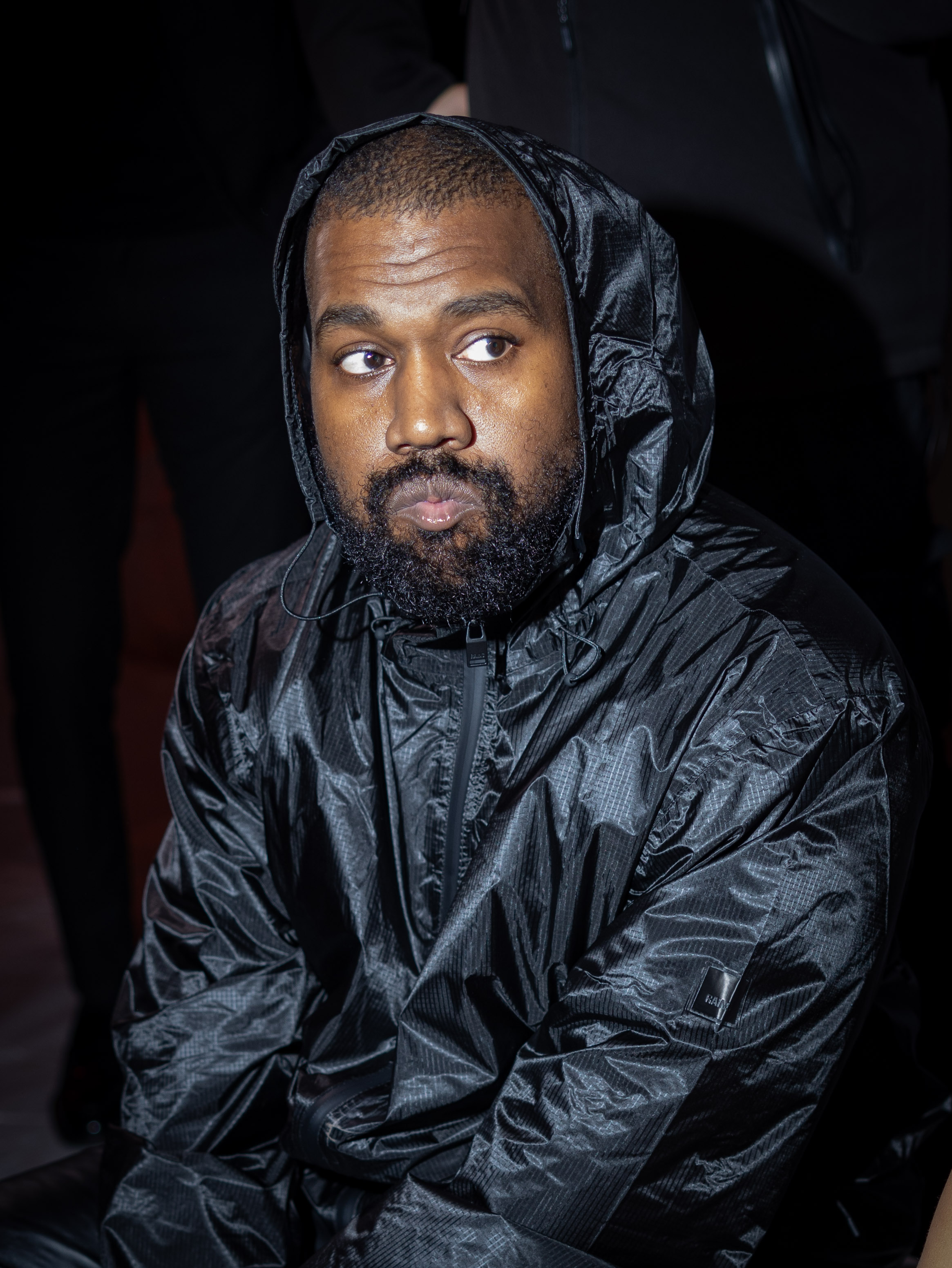
Kanye West didn't just drop sneakers; he completely rewired how the fashion industry treats status, comfort, and utility. Long before the multi-billion-dollar corporate partnerships, high fashion treated sportswear as an afterthought. Luxury houses focused on structured tailoring, stiff leathers, and exclusive runway silhouettes that had nothing to do with what people wore on the streets. When Kanye introduced the Yeezy sportswear movement, he tore down the invisible wall separating high-end luxury from everyday athletic gear, proving that oversized hoodies, earth tones, and running shoes could carry the ultimate status symbol.
The shift didn't happen overnight. It grew from years of trial, error, and intense industry pushback. Traditional fashion houses originally locked him out, viewing musicians as novelty designers rather than serious creators. By refusing to accept those boundaries, Kanye engineered a new blueprint for cultural cachet. Instead of relying on traditional luxury logos, he built a brand where the silhouette itself became the logo.
Breaking into the Closed Doors of High Fashion
In the mid-2000s, hip-hop and luxury fashion existed in a state of uneasy tension. Brands happily accepted the free marketing from rap lyrics, yet they rarely invited artists behind the design table. Kanye changed that dynamic by treating style as an active discipline rather than a passive hobby. His early footwear experiments—including unreleased samples with Reebok and his groundbreaking collaboration with Bape on the "College Dropout" Bapesta—proved he had a distinct eye for color palettes and scarcity.
The pivot toward global sportswear took a major leap when he partnered with Louis Vuitton in 2009 for a trio of luxury sneakers. However, working within legacy European fashion houses taught him a hard lesson about creative control. He wanted to design for the masses without sacrificing elite status. That ambition led to his brief but culturally seismic partnership with Nike, which birthed the Air Yeezy lines. Those sneakers proved that footwear could generate the same frenzy, midnight lines, and secondary market value as fine art or rare sports cars.
When Nike refused to offer him royalties or total creative freedom, he made the unprecedented jump to Adidas in 2013. That transition unlocked the scale he needed to turn individual footwear hype into a fully realized apparel empire.
The Yeezy Season Blueprint and Minimalist Utility
When Yeezy Season 1 debuted at New York Fashion Week in 2015, critics didn't quite know how to categorize what they were seeing. Traditional runways featured vibrant colors, sharp lines, and clean tailoring. Kanye flooded the stage with distressed knits, muted earth tones, oversized military jackets, and drapey thermals that looked like functional wear for a dystopian future.
- Dystopian Monotone Palette: Moving away from loud primary colors, the collection relied on sand, olive, charcoal, and taupe.
- Proportional Shifts: Baggy silhouettes, dropped shoulders, and ultra-cropped hems redefined how clothes fit the human body.
- Accessible Ambition: High-end retailers like Barneys stocked the gear alongside legacy luxury labels, bridging the gap between street culture and department store racks.
This aesthetic filtered down into fast fashion remarkably fast. Within months, high street retailers and global brands scrambled to replicate the oversized, earth-toned look. Kanye proved that comfort could equal luxury. Sweatpants and hoodies were no longer reserved for the gym or lounging at home; they became the uniform of front-row fashion editors and Silicon Valley executives alike.
Redefining Status Through Scarcity and Uniforms
Before the Yeezy era, status fashion was defined by visible luxury branding—monogrammed bags, prominent logos, and expensive materials that signaled wealth from across a room. Kanye flipped that script entirely. He introduced an aesthetic where brand names were often invisible or absent, but the cut, drape, and specific shade of a garment immediately signaled insider knowledge.
This strategy relied heavily on controlled scarcity. By releasing limited batches of sneakers like the Yeezy Boost 350 or 700, he manufactured organic demand that outpaced traditional luxury advertising. Fans didn't want the shoes just because they looked good; they wanted them because securing a pair required dedication, timing, and cultural awareness.
Later, collaborations like Yeezy Gap brought this design philosophy to a massive consumer base, proving that minimalist utility could scale globally without losing its edge. Even when corporate partnerships dissolved due to subsequent controversies, the core design language remained embedded in modern style.
Common Mistakes in Modern Streetwear Design
Many brands tried to copy the Yeezy formula and failed because they misunderstood the underlying mechanics. Simply slapping an earth-toned wash onto a cheap hoodie doesn't create high-value streetwear.
- Ignoring Fabric Weight and Structure: Yeezy garments relied on heavy-weight cottons and custom-milled french terry that gave oversized clothes a specific, intentional hang. Lightweight imitations look sloppy rather than architectural.
- Chasing Transient Micro-Trends: Kanye's best work focused on a consistent personal uniform rather than chasing whatever trend happened to be popular on social media that week.
- Overproducing Inventory: True status in modern sportswear relies on controlled access. Flooding the market ruins the psychological appeal of exclusivity.
Frequently Asked Questions
Why did Kanye leave Nike for Adidas?
Kanye left Nike because the brand refused to pay him royalties on his sneaker designs or grant him the creative control he demanded. Adidas offered a more collaborative partnership with a percentage of wholesale royalties, allowing him to build Yeezy into a standalone industrial powerhouse.
What made the Yeezy aesthetic different from traditional sportswear?
Traditional athletic wear prioritized technical performance fabrics like shiny polyester and neon accents meant for workouts. Yeezy shifted sportswear toward heavy cottons, minimalist earth tones, and exaggerated proportions designed for daily lifestyle wear rather than athletic training.
How did Yeezy change sneaker culture permanently?
Yeezy proved that a non-athlete—specifically a musician and designer—could anchor a multi-billion-dollar footwear ecosystem that rivaled legacy athletic giants like Jordan Brand. It also normalized the "dad shoe" trend and integrated knit technology into casual daily footwear.
Is Yeezy still operating independently today?
Yes. Following the termination of corporate partnerships with brands like Adidas and Gap, Yeezy transitioned into an independent direct-to-consumer model, selling minimalist apparel and footwear directly through digital storefronts.



