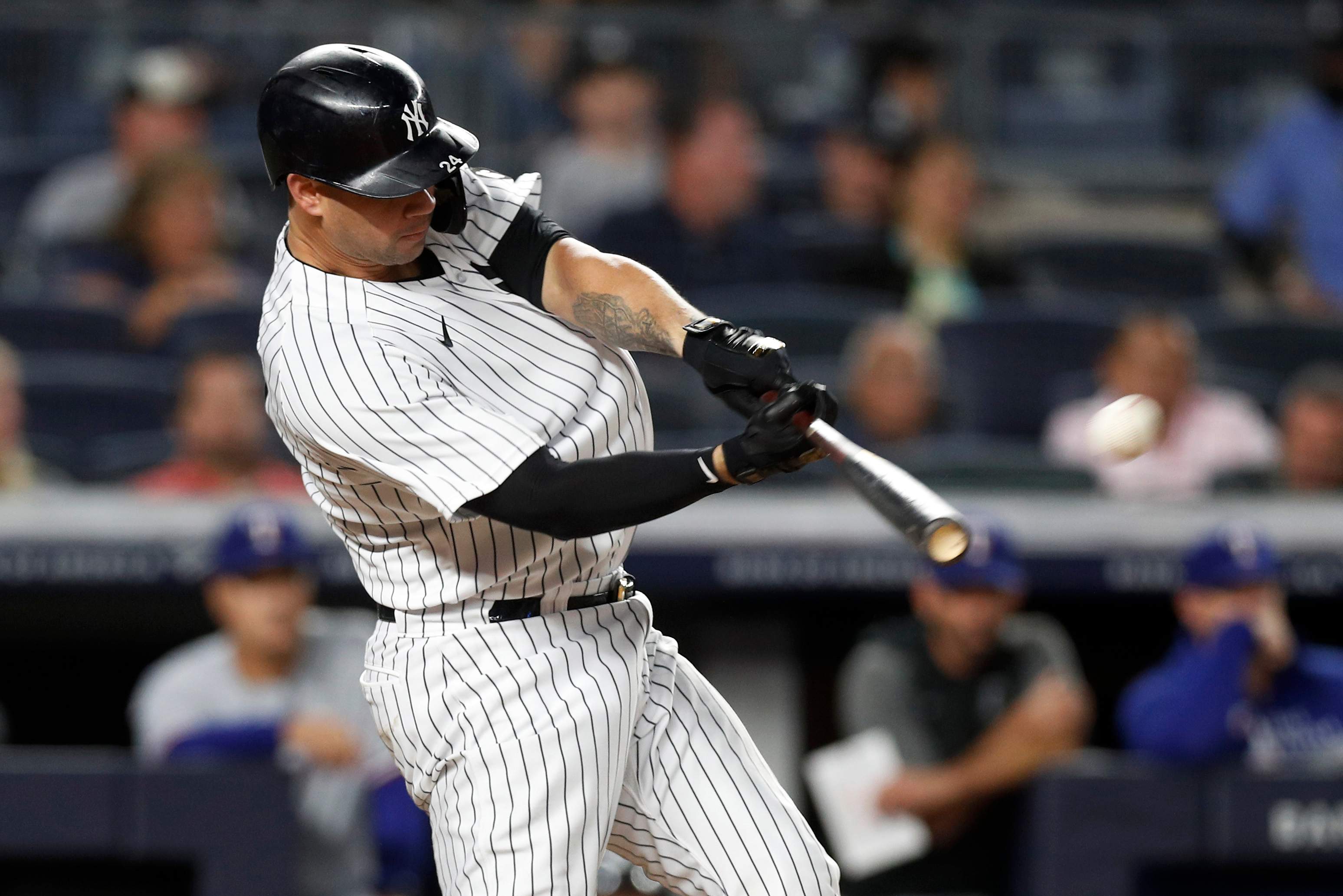
The Yankees bucket hat bridges the gap between historical sports memorabilia and modern urban uniform. While baseball caps have defined sports merchandise for over a century, the slouchy, wide-brimmed cousin took a different route to cultural dominance. It didn't start in the Bronx ballparks as team-issued gear for players; instead, it entered the cultural slipstream through hip-hop artists, skate culture, and global streetwear enthusiasts who adopted the New York insignia as a symbol of metropolitan grit.
Understanding how a simple canvas or nylon shade protector became a high-fashion commodity requires tracing a line from rural workwear to the streets of 1980s New York City and straight into international runway collaborations. Let's look at how the Yankees branding became an accidental uniform for counterculture and luxury fashion alike.
The Humble Origins of the Bucket Hat
Before it represented Major League Baseball, the bucket hat was strictly functional utility wear. Originally crafted by Irish farmers and fishermen in the early 1900s to protect against relentless rain, the heavy wool and felt construction repelled water naturally due to the lanolin in unwashed sheep's wool.
By the mid-twentieth century, militaries around the globe picked up the design. The US military issued olive drab cotton-blend bucket hats—often called boonie hats or gee hat styles—during the Jungle warfare of the Vietnam War. They were practical, packable, and shoved easily into a cargo pocket when not needed.
When surplus gear flooded civilian markets in the 1970s and 1980s, outdoor enthusiasts, fishermen, and casual wearers adopted them for everyday comfort. The hat had no luxury status yet. It was cheap, utilitarian, and utterly unassuming.
The Hip-Hop Catalyst and Streetwear Adoption
The pivot from fishing gear to streetwear icon happened in the early 1980s, primarily driven by the burgeoning golden age of hip-hop in New York City. Artists and street crews looked for fresh ways to style themselves, mixing sportswear brands with high-end luxury pieces like Dapper Dan's custom creations.
Labels like Kangol popularized the Terry cloth and Bermuda bucket hats, but sports franchises soon realized the blank canvas of a unstructured brim offered prime real estate for team logos. The New York Yankees emblem—the interlocking NY designed in 1909 and famously worn by Babe Ruth—carried a distinct cultural weight. Even people who couldn't name the batting lineup wore the logo because it represented the attitude of New York City itself.
During the 1990s, rap royalty and R&B stars routinely rocked sports hats in music videos, cementing the brimmed style as a staple of urban aesthetics. LL Cool J, method man, and countless skate crews made unstructured headwear a core element of baggy denim, oversized hoodies, and rugged footwear.
Why the Yankees Logo Triumphed Over Other Teams
Major League Baseball features thirty teams, yet the New York Yankees logo dominates global fashion in a way no other franchise manages. You'll spot the navy blue NY on baseball caps in Tokyo, London, Paris, and Sydney, often worn by individuals who have never watched a single inning of baseball.
Graphic designers and cultural critics often point to three specific reasons for this global supremacy:
- High-Contrast Aesthetics: The sharp, serifed white interlocking N and Y against a deep midnight navy or classic black background creates immediate visual balance. It looks clean, graphic, and intentional.
- The New York Mythos: New York City functions as a global capital of cool. Wearing the Yankees insignia acts as a proxy for urban hustle, music history, and metropolitan edge.
- Pop Culture Endorsement: Decades of endorsements from international musicians, actors, and fashion icons turned the logo from a regional sports team identifier into a global lifestyle brand.
When New Era became the official on-field cap supplier for MLB in the early 2000s, production standards shifted. The fabrics improved, the stitching tightened, and official merchandise gained the structural durability required for daily streetwear rotation.
The High-Fashion Pivot and Runway Collaborations
By the 2010s, streetwear stopped being just a subculture and became the dominant language of luxury fashion. High-end brands needed cultural authenticity, and heritage sports franchises possessed the historical credibility.
Design houses like Gucci, Supreme, and Balenciaga began partnering with sports leagues and hat manufacturers to reimagine classic silhouettes. The Yankees bucket hat transitioned from a $25 stadium souvenir to a limited-edition collectible that retailed for hundreds of dollars. Luxury collaborations introduced silk linings, premium leather brims, and intricate monogram prints that merged athletic heritage with elite tailoring.
This crossover proved that streetwear consumers didn't care about rigid boundaries. They wanted high-low mixing—pairing a weathered stadium hat with a designer trench coat or vintage denim.
How to Style a Yankees Bucket Hat Today
Integrating a classic unstructured brim into a modern wardrobe doesn't require a full vintage streetwear aesthetic. The trick is balancing the proportions of your outfit since the wide brim adds horizontal width above the shoulders.
- Casual Streetwear: Pair a classic navy cotton-twill Yankees hat with a relaxed heavyweight hoodie, straight-leg raw denim, and vintage sneakers like Nike Dunks or New Balance 990s.
- Smart Casual Contrast: Counterbalance the casual energy of the hat by wearing it with a structured chore jacket, a crisp white T-shirt, and tailored wool trousers.
- Summer Minimalist: Keep it simple on warm days with an oversized linen button-down shirt left unbuttoned over a ribbed tank top, shorts, and canvas slip-ons.
Avoid matching every single item to the team colors unless you're heading to an actual game at Yankee Stadium. Let the hat serve as a single accent piece rather than part of a loud, coordinated costume.
Common Styling Mistakes to Avoid
Even though streetwear allows for personal expression, certain pitfalls can make an outfit look messy rather than intentional.
- Over-Branding: If your jacket, hoodie, sneakers, and hat all feature loud logos, the look collapses into visual clutter. Let the Yankees hat be the primary graphic focal point.
- Ignoring Head Shape and Brim Width: Not all bucket hats are cut the same way. If you have a smaller frame, look for short-brim or unstructured styles that don't overwhelm your face. Deep, rigid crowns can look stiff and unnatural.
- Neglecting Material Care: Cotton twill picks up dust and sweat stains quickly. Spot clean your hats regularly with mild soap and cold water to keep the navy fabric looking crisp instead of sun-bleached and worn out.
Frequently Asked Questions
Are Yankees bucket hats official MLB merchandise?
Yes, official licensed versions are produced by partners like New Era and '47 Brand, featuring authentic team tags and proper embroidery. However, many fashion brands also produce licensed collaborative collections with custom branding.
What is the difference between a bucket hat and a boonie hat?
A bucket hat features a short, downward-sloping unstructured brim and a rounded crown with no chin strap. A boonie hat typically includes a wider, stiffer brim, ventilation eyelets, and an adjustable chin cord designed for tactical or outdoor utility.
Can you wash a Yankees bucket hat in the washing machine?
Most cotton and polyester hats will warp or lose their structured shape if thrown into a standard washing machine or dryer. Hand washing in warm soapy water and air-drying over a rounded object—like a small bowl—preserves the original fit and brim curve.
Why is the Yankees logo so popular internationally?
The logo transcends sports because of its association with New York City's cultural influence in hip-hop, film, and fashion. It functions as a global symbol of metropolitan style rather than just a baseball team crest.



