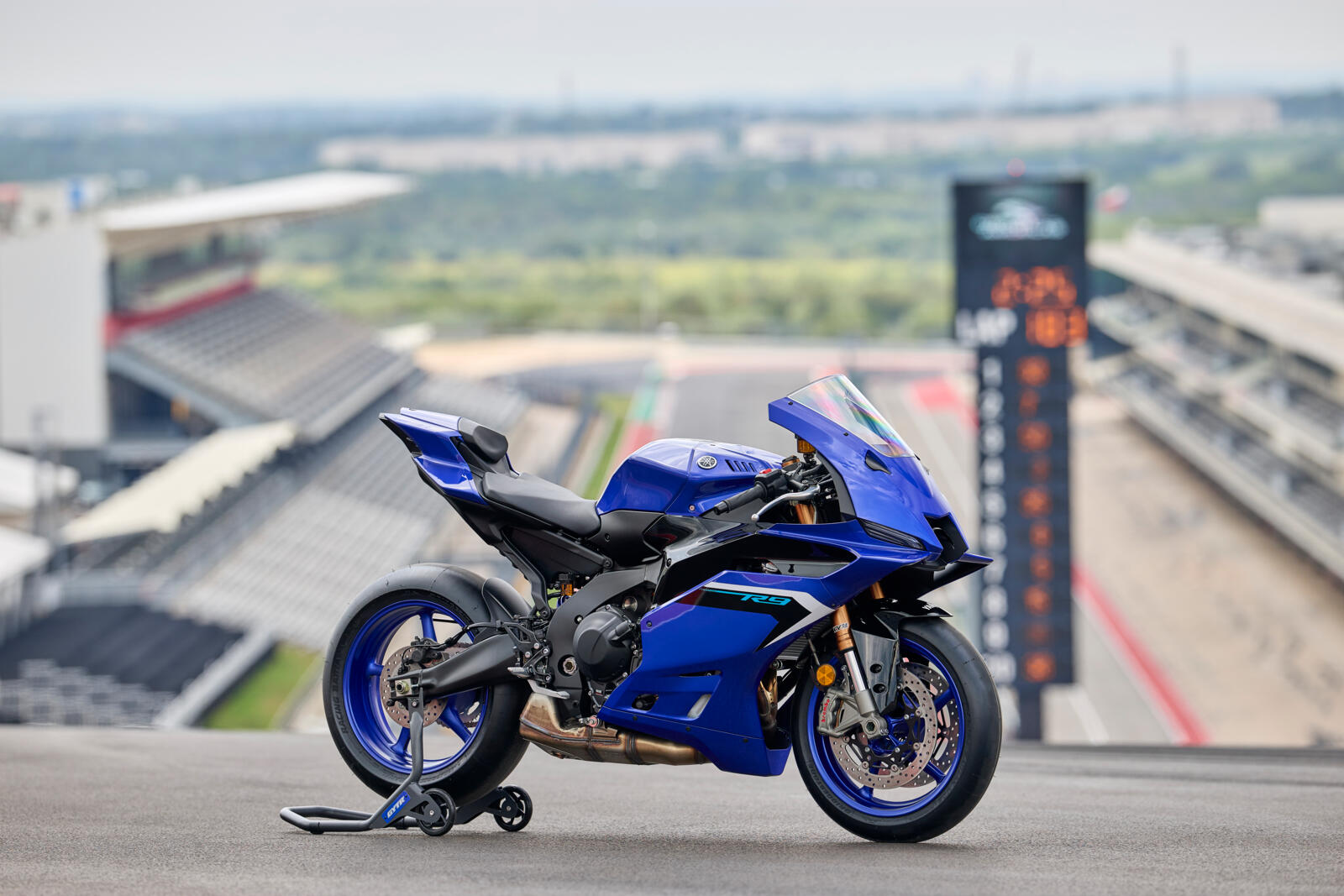
Choosing your first motorcycle can feel overwhelming when you look at massive sportbikes and heavy cruisers. You want a machine that builds confidence without punishing minor throttle errors, and a Yamaha beginner bike delivers exactly that balance. Yamaha engineers their entry-level platforms to provide predictable power delivery, lightweight chassis control, and long-term reliability. Whether you're navigating urban traffic or learning clutch control in an empty parking lot, starting on the right machine sets the foundation for years of safe riding.
When evaluating beginner motorcycles, three core factors matter above all else: engine displacement, seat height, and power delivery character. A smooth parallel-twin or single-cylinder engine prevents the abrupt power surges that often startle new riders. Yamaha's lineup covers everything from lightweight naked streetfighters to agile entry-level sportbikes, ensuring you don't have to compromise on style while learning the ropes.
Understanding the Yamaha Beginner Lineup
Yamaha structures its entry-level street motorcycles around approachable engine sizes that comply with most international tiered licensing standards. The core options focus heavily on 321cc powerplants and lightweight dual-sport designs.
The Yamaha MT-03 stands out as a premier naked streetfighter choice. It shares its mechanical heart with the sport-focused YZF-R3, utilizing a liquid-cooled 321cc parallel-twin engine. Because it lacks full fairings, the MT-03 offers a more upright riding posture, reducing wrist fatigue during low-speed urban commuting. The wide handlebar gives you intuitive leverage, making tight U-turns and slow parking lot maneuvers much less intimidating.
If you prefer clip-on handlebars and a race-inspired aesthetic, the Yamaha YZF-R3 provides a genuine sportbike experience without the violent horsepower spikes of a 600cc supersport. It handles highway speeds comfortably while maintaining a lightweight chassis that responds instantly to countersteering inputs.
For riders interested in exploring unpaved roads or tackling rough city pavement, the Yamaha TW200 or XT250 offer rugged alternative paths. The TW200 features iconic fat tires and a remarkably low seat height, giving it a tractor-like stability on loose dirt, sand, and gravel.
Key Specifications and Performance Realities
Engine displacement alone doesn't tell the whole story. Torque curves and power delivery dictate how a bike behaves when you twist the throttle from a dead stop.
Yamaha's 321cc parallel-twin platform generates roughly 42 horsepower. That output is high enough to maintain legal highway speeds without straining the engine, yet linear enough that accidental whiskey throttles won't throw you off the back. Seat heights across these entry-level street models hover around 30.7 inches, allowing most average-height riders to plant both feet flat on the ground at a red light. Flat-footing your motorcycle during the first six months of riding dramatically reduces parking lot drops and low-speed tip-overs.
Maintenance demands on these machines remain exceptionally low. Oil changes, chain adjustments, and basic inspections require standard metric hand tools, making them ideal platforms for learning basic motorcycle maintenance in your own garage.
Common Mistakes New Riders Make
Buying your first motorcycle involves psychological traps that can compromise your safety and drain your wallet. Avoiding these pitfalls keeps your riding journey enjoyable.
- Buying too much power too soon: Many beginners purchase a 600cc or 1000cc sportbike because they fear getting bored. High-displacement bikes mask poor technique and punish mistakes severely. Master throttle control on a smaller displacement machine first.
- Ignoring proper gear to save cash: Never compromise on a certified helmet, riding jacket, gloves, and riding boots. Skin grafts and concussions cost far more than quality protective gear.
- Skipping the MSF course: Taking a certified Motorcycle Safety Foundation rider course teaches emergency braking and evasive maneuvering in a controlled environment before you face distracted drivers on public roads.
- Focusing solely on top speed: Beginners rarely utilize top speed. Focus instead on cornering clearance, braking feel, and low-speed balance.
Frequently Asked Questions
Can a Yamaha 321cc bike handle highway speeds?
Yes. Both the MT-03 and YZF-R3 easily cruise at 70 to 75 mph on interstate highways. While they lack the aggressive acceleration of a liter bike at high speeds, they have enough power to pass slower traffic safely.
Is insurance expensive for a Yamaha beginner bike?
Insurance rates depend on your age, riding history, and location, but entry-level motorcycles generally enjoy much lower insurance premiums than supersport or large cruiser models because insurance companies classify them as lower risk.
Should I buy new or used for my first motorcycle?
Buying a used entry-level Yamaha makes financial sense because you will likely drop the bike or want to upgrade to a different style after one or two seasons. A well-maintained used bike holds its resale value remarkably well.
How do I know if the seat height is right for me?
You should be able to support the motorcycle's weight comfortably with the balls of both feet or flat feet on one side. If you are on your tiptoes, look into factory lowering kits or alternative low-seat options.
To research official model specifications and locate authorized dealers, visit the Yamaha Motorsports Site. You can also review safety training details through the Motorcycle Safety Foundation.



