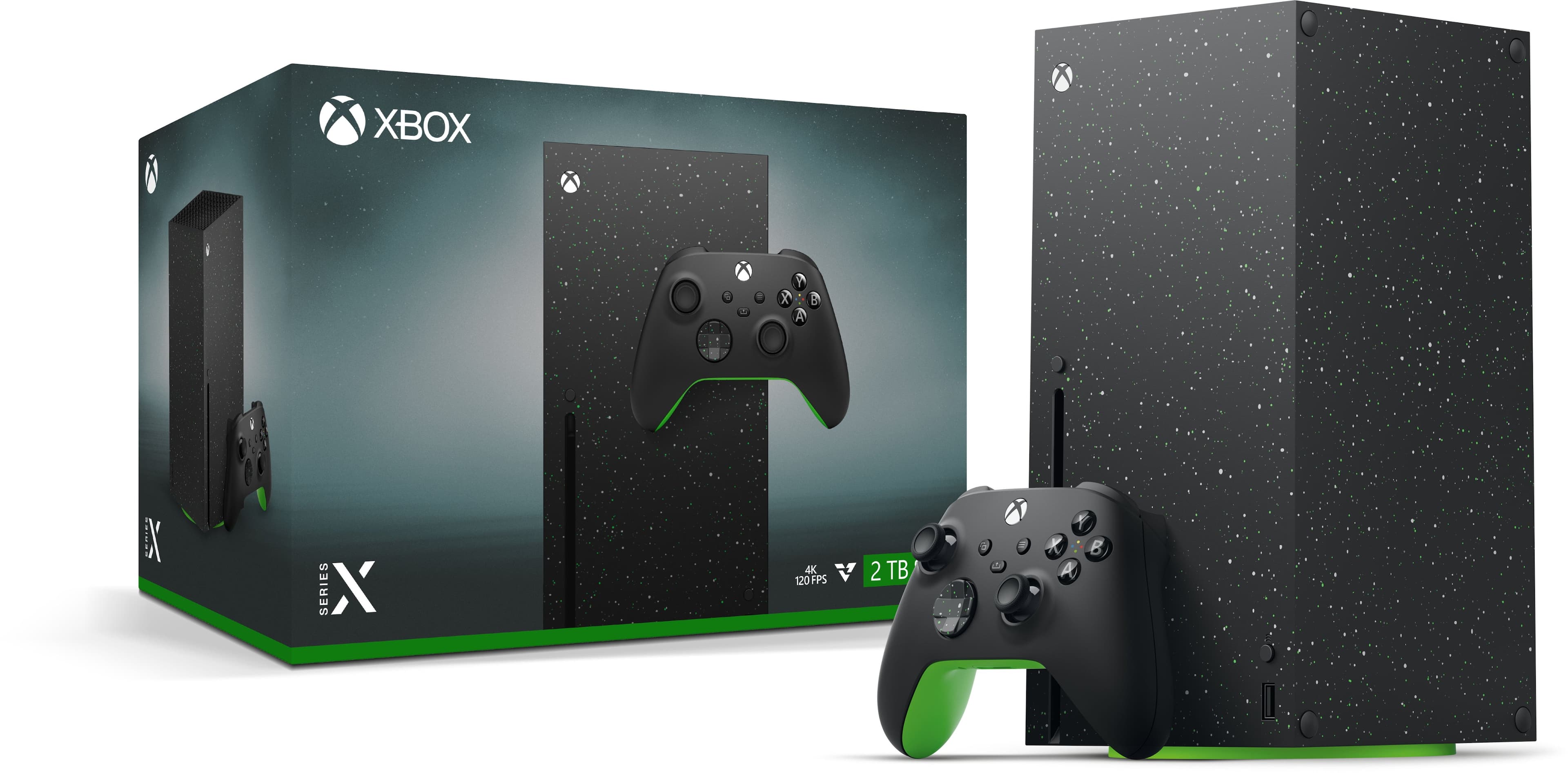
Choosing between Microsoft's vintage eighth-generation consoles comes down to physical space, media preferences, and minor performance stability. The original Xbox One launched in 2013 as a massive, bulky entertainment hub with an external power brick, whereas the Xbox One S arrived in 2016 as a streamlined, 40 percent smaller redesign featuring an internal power supply and 4K media playback. If you're shopping the secondhand market today, understanding these technical gaps helps you avoid paying for features you won't use.
The original Xbox One is limited to 1080p gaming and standard Blu-ray discs, lacking any high dynamic range capabilities. The Xbox One S introduces HDR10 support for games and media, plus a 4K Ultra HD Blu-ray optical drive. While neither console handles native 4K gaming—that duty belongs to the later Xbox One X—the S model squeezes a tiny graphical overclock out of its AMD graphics chip, resulting in steadier framerates in demanding titles.
Physical Design and Hardware Footprint
Space-saving engineering defines the biggest exterior differences between these two systems. The launch model measures roughly 13.1 x 10.8 x 3.1 inches and requires a heavy, external power brick that clutters entertainment centers. Weighing over 7 pounds, it's cumbersome to move or pack into a bag.
Microsoft addressed these complaints directly with the S revision. Measuring 11.6 x 8.9 x 2.5 inches and shedding nearly a pound and a half, the console features a clean "Robot White" matte chassis that handles vertical orientation out of the box (using an optional stand).
- Power Supply: The original uses an external brick; the S integrates the power supply internally.
- Power Button: The original relies on a finicky capacitive touch button; the S switches to a tactile physical button to stop accidental shutdowns.
- Kinect Port: The original includes a dedicated proprietary port for the Kinect sensor; the S removes it entirely, requiring an external USB adapter.
Performance and Visual Capabilities
Under the hood, both systems run on custom eight-core AMD Jaguar central processing units, but minor clock speed bumps give the S a slight edge. The original Xbox One houses a graphics processor clocked at 853 MHz, yielding roughly 1.31 teraflops of compute performance. The Xbox One S bumps that GPU clock to 914 MHz, providing a nominal boost.
This performance delta doesn't unlock new classes of games, but it helps iron out frame-rate drops in dynamic resolution titles. Games that target 900p or 1080p on the base model often lock onto their target frame rates more consistently on the S.
Note: Neither console renders modern AAA software natively in 4K. Performance remains anchored to eighth-generation boundaries, making them legacy hardware choices today.
Media Playback and Display Support
Home theater enthusiasts will find a stark divide in media features. The original Xbox One is strictly a 1080p machine for video playback, reading standard DVDs and Blu-rays while ignoring high dynamic range color grading.
The Xbox One S serves as a budget-friendly media streamer. It supports 4K video streaming apps like Netflix and Disney+ and includes a 4K Ultra HD Blu-ray player. For years after its release, it stood as one of the most affordable standalone 4K disc players on the market. HDR10 support also brightens compatible games and movies, provided you pair the console with a capable television.
Controller Evolution
Bundled controllers changed significantly between these hardware generations. The launch controller relied on proprietary wireless protocols, requiring a separate adapter to connect to Windows computers. It featured smooth plastic bumpers and lacked physical grip texturing.
The revised controller shipped with the S introduces textured plastic backing for better ergonomics and adds native Bluetooth support. This change lets you pair the controller directly to Windows PCs, tablets, and smartphones without dongles. It also features improved wireless range and streamlined top bumpers.
Making Your Choice
When evaluating used listings, your decision depends on what you plan to plug the console into.
- Choose the original Xbox One only if you find an exceptionally cheap local deal and plan to hook it up to an older 1080p bedroom TV where physical size and 4K media do not matter.
- Choose the Xbox One S if you own a 4K television, want integrated power cables, intend to watch physical 4K UHD movie discs, or want the refined Bluetooth controller.
For broader ecosystem context on Microsoft's hardware lineage, check the Xbox official site. If you're looking for deeper technical breakdowns on frame pacing, digital archives like Digital Foundry offer extensive historical performance analysis.
Frequently Asked Questions
Can an original Xbox One play Xbox One S games?
Yes. Both consoles share the exact same software library, dashboard interface, and game discs. A game that runs on one will run on the other, though performance stability may vary.
Does the Xbox One S support backward compatibility?
Both systems share identical backward compatibility features, letting you play select digital and physical Xbox 360 and original Xbox titles.
Is it still worth buying an Xbox One S?
As primary gaming hardware, these systems are legacy devices. However, if you're looking for a cheap media center hub, a retro indie game machine, or a budget system for younger kids, a secondhand S offers decent utility for minimal cost.
Which model is more reliable over time?
The Xbox One S tends to suffer fewer hardware quirks. Its physical power button prevents the random ghost-shutdown issues plaguing the touch-sensitive original model, and its internal layout handles dust accumulation slightly better.



