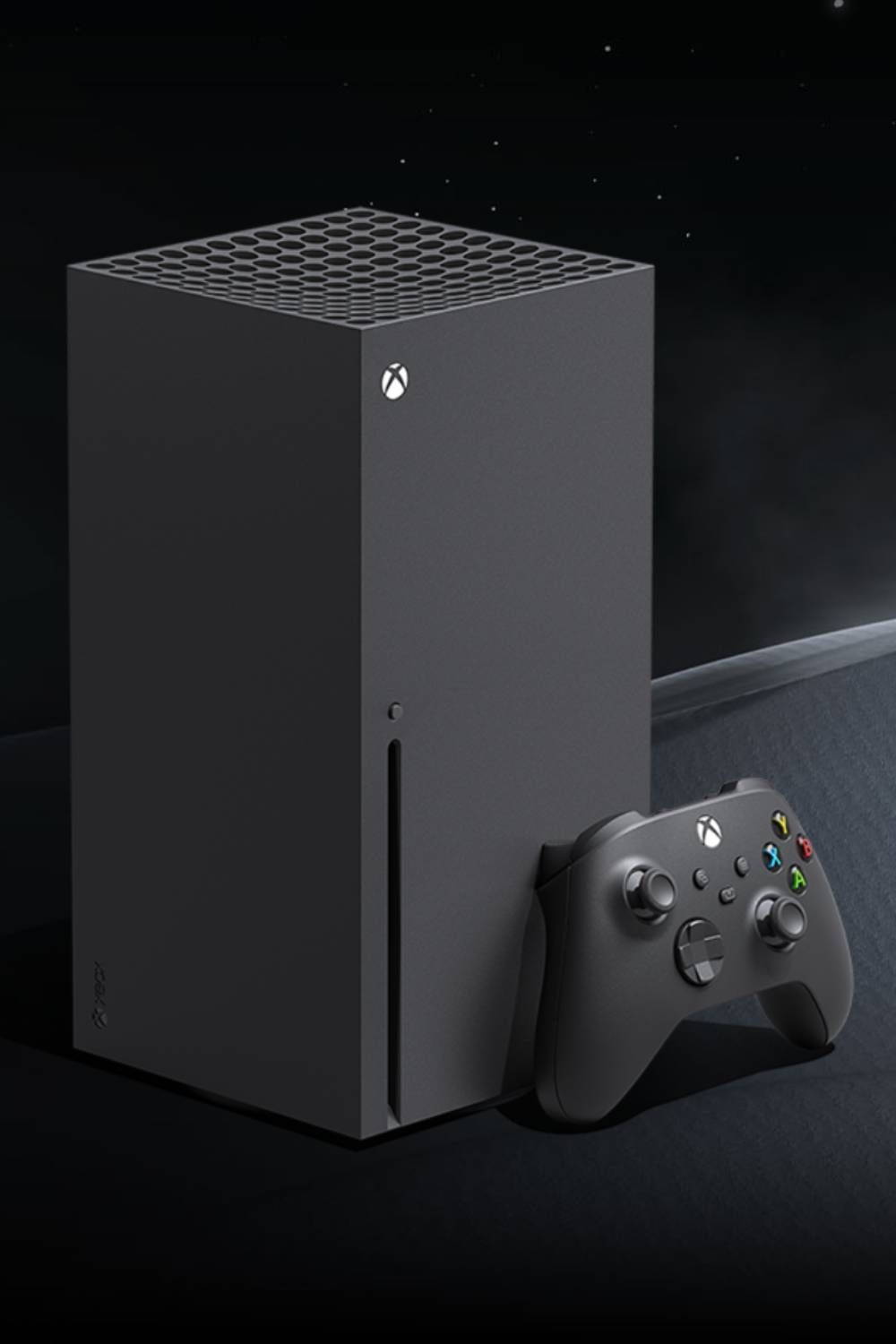
The Xbox One S was released on August 2, 2016, starting with a 2TB launch model priced at $399, while smaller storage configurations rolled out later that month. This compact revision arrived roughly three years after the bulky original Xbox One hit the market. Microsoft designed the S model to address heavy criticism regarding its predecessor's massive footprint, external power supply, and lack of modern media features.
The Launch Timeline and Pricing Structure
Microsoft first unveiled the slim console at E3 on June 13, 2016, generating immediate interest among players looking for a hardware refresh. When August 2 arrived, only the limited 2TB launch edition hit store shelves at a retail price of $399.
Consumers waiting for more affordable options didn't have to wait long. On August 23, 2016, Microsoft expanded the lineup by releasing the 500GB model for $299 and the 1TB model for $349. This tiered rollout allowed the company to capture early adopters willing to pay a premium while quickly establishing a competitive price point for mainstream holiday buyers.
Key Hardware Improvements Over the Original
The Xbox One S was roughly 40 percent smaller than the original 2013 model, making it significantly easier to fit into modern entertainment centers. Beyond physical dimensions, Microsoft engineered several major structural changes under the hood and across the chassis.
- Internal Power Supply: The infamous external power brick was completely eliminated, allowing users to plug the console straight into a wall outlet with a standard cable.
- 4K Ultra HD Blu-ray: The console added a dedicated 4K optical drive, making it one of the cheapest standalone 4K Blu-ray players available at the time of its release.
- HDR10 Support: It introduced High Dynamic Range capabilities for both video streaming services like Netflix and compatible video games.
- Vertical Orientation: Unlike the original hardware, which discouraged vertical placement due to thermal and optical drive constraints, the S model shipped with an optional stand allowing it to sit vertically.
Under-the-Hood Specifications and Performance
While the Xbox One S was physically smaller, its internal components received subtle tweaks to accommodate the new media features. The custom AMD Jaguar 8-core CPU maintained its 1.75 GHz clock speed, but the AMD Radeon graphics processing unit saw its clock speed bumped from 853 MHz to 914 MHz.
This minor graphical uplift pushed the console's theoretical compute performance from 1.31 teraflops to roughly 1.4 teraflops. Games still rendered natively at 1080p or lower resolutions, but the hardware could upscale titles to 4K output on compatible screens. Furthermore, the inclusion of an HDMI 2.0a port replaced the older HDMI 1.4b standard, enabling the necessary bandwidth for 4K video pass-through and HDR signaling.
The Strategic Context and Market Legacy
The release of the Xbox One S came during a difficult generation for Microsoft, as Sony's PlayStation 4 held a commanding lead in global sales. The original Xbox One launch had suffered from a high $499 price tag due to the mandatory inclusion of the Kinect sensor, alongside controversial digital rights management policies that Microsoft had to reverse.
By stripping away the proprietary Kinect port entirely and focusing on pure entertainment value, the Xbox One S reset consumer perception. It positioned itself as an affordable media hub that doubled as a gaming machine. Its adoption of 4K Blu-ray playback gave it an unexpected edge over the standard PlayStation 4, which lacked a 4K disc drive entirely.
The console ultimately paved the way for more radical hardware iterations, including the powerhouse Xbox One X in 2017 and the experimental, disc-free Xbox One S All-Digital Edition in 2019. You can read more about Microsoft's broader console ecosystem evolution on the Official Xbox History portal or check technical deep-dives on IGN.
Frequently Asked Questions
When exactly did the Xbox One S release?
The console launched in North America on August 2, 2016, with the initial 2TB model. Additional storage sizes arrived later that month on August 23.
Does the Xbox One S play native 4K games?
No. While the console outputs video signals in 4K and supports 4K media streaming and 4K Blu-ray discs, games generally render at 1080p or lower and upscale to 4K. Native 4K gaming required upgrading to the later Xbox One X.
Did the Xbox One S include a Kinect port?
No. Microsoft dropped the dedicated physical Kinect port with this revision. Players who wanted to use an older Kinect sensor had to acquire a separate USB adapter.
How does the Xbox One S differ from the All-Digital Edition?
Released in May 2019, the All-Digital Edition shared identical processing specifications and dimensions with the standard S model but completely omitted the optical disc drive.



