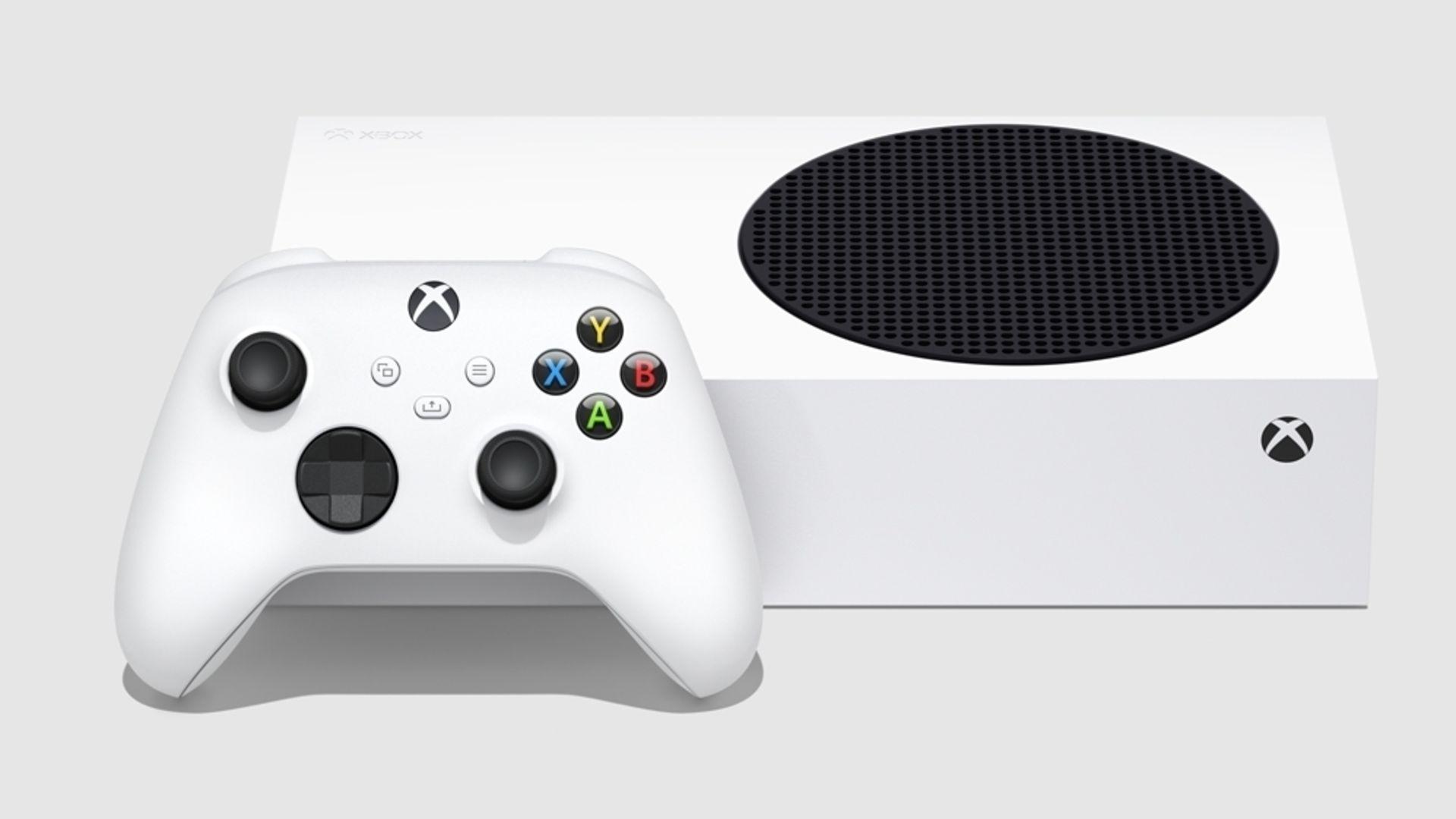
When you switch from a PlayStation pad to an Xbox controller, you'll quickly notice a terminology gap. Games often prompt you to press L1 or L2, but your Xbox controller features bumpers and triggers labeled LB, RB, LT, and RT.
Xbox controllers do not feature physical buttons labeled L1 and L2. Those terms belong exclusively to Sony's PlayStation layout. On an Xbox controller, the left bumper (LB) and left trigger (LT) handle those corresponding functions, depending on the game's control scheme and input mapping.
Understanding how these inputs translate across platforms helps you avoid confusion during gameplay, especially when dealing with cross-platform titles, PC games, or custom controller software.
Decoding the PlayStation and Xbox Layout Difference
PlayStation and Xbox controllers use different naming conventions for their top shoulder inputs. Sony labels its upper shoulder buttons L1 and R1, with the analog triggers below them designated as L2 and R2. Microsoft takes a different route, using LB (Left Bumper) and RB (Right Bumper) for the top tier, and LT (Left Trigger) and RT (Right Trigger) for the analog pulls underneath.
When a multiplatform game displays a prompt telling you to press L1, it assumes you're using a DualShock or DualSense controller. If you're playing on an Xbox console or using an Xbox layout on a PC, that prompt actually corresponds to your LB button for quick, digital taps, or your LT trigger for actions mapped to the upper shoulder layer.
The terminology mismatch often trips up players who switch between platforms or watch video guides recorded on different hardware. Knowing the direct equivalents clears up the confusion instantly:
- PlayStation L1 equals Xbox LB (Left Bumper) in most standard action mapping schemas.
- PlayStation L2 equals Xbox LT (Left Trigger) for analog pulls, acceleration, or aiming mechanics.
How Games Map L1 and L2 to Xbox Hardware
Game developers handle cross-platform button mapping automatically when you plug an Xbox controller into a PC or console. The game engine reads the hardware identifier and translates the onscreen prompt from PlayStation nomenclature to Xbox nomenclature.
However, problems arise when playing older PC games, emulators, or poorly ported indie titles that only recognize DirectInput or generic gamepad profiles. In these scenarios, the game might output "Press L1" and expect an input from a specific controller channel that your Xbox pad doesn't match by default.
To fix this, you can use controller configuration layers like Steam Input. Steam translates your Xbox inputs into virtual DirectInput or XInput signals, allowing you to map your LB or LT buttons directly to whatever action the game registers as L1. If a game requires precise analog input for an L2 action—such as feathering the throttle in a racing simulator—mapping it to the analog LT trigger ensures you retain pressure sensitivity rather than registering a simple on/off click.
Physical Differences Between Bumpers and Triggers
Another reason players get confused by L1 and L2 references on Xbox controllers comes down to physical design. PlayStation L1 and L2 are stacked vertically on the same side of the controller, but both L1 and L2 feel like distinct clicky or sprung buttons depending on the generation.
Xbox controllers feature a distinct architectural split between bumpers and triggers:
- LB (Left Bumper): A digital microswitch button that sits flat on top of the controller. It has a short, clicky travel distance with an immediate actuation point. It functions identically to a mouse click.
- LT (Left Trigger): A potentiometer-backed analog trigger that pulls downward into the body of the controller. It offers a smooth, variable range of motion from 0% to 100% depression.
Because of this physical difference, mapping an L2 action (like aiming down sights in a shooter) to the Xbox LT trigger feels natural because both offer analog depth. But mapping an L1 action (like throwing a grenade) to LB gives you an instant digital click, which is usually what developers intend for quick-action bumpers anyway.
Using Elite Controllers and Third-Party Software to Bridge the Gap
If you play competitive games that demand complex finger placement, standard Xbox controllers can feel limiting compared to specialized hardware. Many players invest in pro-grade peripherals like the Xbox Elite Wireless Controller Series 2 or third-party gamepads from brands like Razer to gain extra input options.
Pro controllers feature rear paddles that you can map to any function on the controller. If a game or custom setup relies heavily on L1 and L2 inputs, you can assign those functions to the left rear paddles. This lets you keep your index fingers resting naturally on the triggers while using your middle or ring fingers to activate the secondary inputs, mirroring the ergonomics of high-end custom setups.
Using the official Xbox Accessories app on Windows or Xbox consoles, you can create custom profile configurations. If a specific game requires a convoluted button combo because it lacks native Xbox support, you can rebind inputs at the hardware level so your physical button presses match what the software demands.
Common Mistakes When Translating Controller Inputs
Gamers shifting between ecosystems often run into avoidable setup errors when troubleshooting unmapped buttons.
- Assuming physical buttons exist: Don't look for hidden buttons on your Xbox controller when a game mentions L1 or L2. Trust that your LB and LT inputs cover those actions.
- Ignoring software calibration: If a PC game fails to recognize your triggers properly, don't assume the controller is broken. Check whether the game is looking for XInput or DirectInput devices, and use wrapper software if necessary.
- Overcomplicating remapping: Avoid downloading sketchy third-party driver tools when official ecosystem tools like Steam Input or the Xbox Accessories app can handle profile remapping safely.
Frequently Asked Questions
Do Xbox controllers have L1 and L2 buttons?
No. Xbox controllers use LB (Left Bumper) and LT (Left Trigger) instead of L1 and L2. These terms are exclusive to PlayStation controllers.
What is the Xbox equivalent of L1?
The Xbox equivalent of L1 is typically the LB (Left Bumper) button located on the upper left shoulder of the controller.
Can I remap my Xbox controller to use L1 and L2 in PC games?
Yes. You can use software like Steam Input or the Xbox Accessories app to remap your bumpers and triggers to match any input profile a PC game requires.
Why do PC games show PlayStation button prompts with an Xbox controller?
Some PC ports lack automatic controller detection or rely on generic input APIs. When this happens, the game defaults to PlayStation UI prompts even if you're using an Xbox pad.



