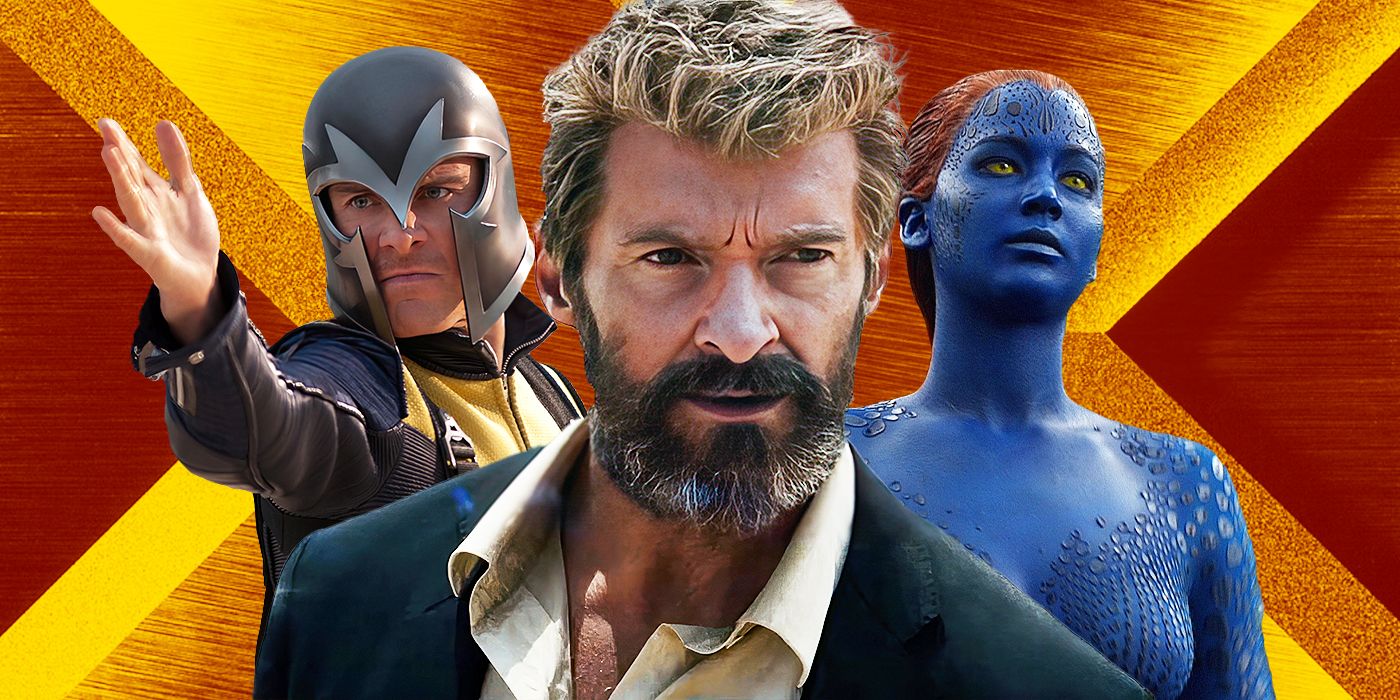
Released in May 2009, X-Men Origins: Wolverine arrived with immense studio backing, riding the wave of an era when comic book adaptations were rewriting box office rules. Directed by Gavin Hood and budgeted at $150 million, the film sought to explore the tortured past of its iconic mutant hero while expanding the cinematic universe through a star-studded ensemble. Despite pulling in over $373 million worldwide, the movie became as famous for its troubled production history and leaked workprint as it was for its star power.
The primary search intent behind queries for this film centers on its legendary cast, behind-the-scenes chaos, continuity errors, and how it fundamentally shaped the trajectory of modern superhero cinema. Far from a simple star vehicle, the production captured a pivotal transitional period for 20th Century Fox as they tried to balance character-driven storytelling with corporate franchise expansion.
Assembling the Mutant Ensemble
The film's strongest asset was undeniably its roster of talent, mixing seasoned dramatic actors with rising stars and pop culture figures. At the center stood Hugh Jackman, returning for his fourth outing as James Howlett. Jackman pushed for a script that felt more like a character study, focusing on Logan's inner torment and the eternal war between his animalistic savagery and his humanity.
Opposite him, Liev Schreiber delivered a compelling, physically imposing performance as Victor Creed, or Sabretooth. Unlike the feral, less articulate version seen in the 2000 X-Men film, Schreiber's Creed possessed a chilling intellect and a complex brotherly bond with Logan that anchored the film's emotional core. Analysts at Bloomberg have shared their thoughts on this trend.
The supporting cast expanded the cinematic lore by introducing fan-favorite mutants to the big screen for the first time:
- Danny Huston as William Stryker: Replacing Brian Cox’s older iteration from X2, Huston played a younger, slicker, and deeply manipulative military scientist driving the Weapon X program.
- Ryan Reynolds as Wade Wilson: Long before securing his definitive, self-aware take on the character, Reynolds played a wisecracking mercenary in the film's opening acts before being transformed into the mute, sword-handed mutant weapon known as Weapon XI.
- Taylor Kitsch as Gambit: Portrayed as a slippery, charismatic Cajun thief, Kitsch brought kinetic card-throwing energy to New Orleans sequences, fulfilling a long-standing desire by filmmakers to include the character.
- Will.i.am as John Wraith and Kevin Durand as Fred Dukes: Musician Will.i.am made his acting debut as the teleporting team member Wraith, while Durand portrayed the heavy-hitting, tragic Blob.
Production Turmoil and the Leaked Workprint
Behind the glossy cast list, X-Men Origins: Wolverine suffered from severe friction between director Gavin Hood and studio executives at 20th Century Fox. Hood wanted a gritty, character-driven drama exploring trauma and self-loathing, whereas the studio pushed for rapid-fire pacing, generic action beats, and broader commercial appeal.
The production's most infamous hurdle occurred a full month before its theatrical release. An unfinished workprint of the film—missing completed visual effects, sound mixing, and final score—leaked online and was downloaded millions of times. While analysts debated the exact financial damage, the leak exposed studio vulnerability and forced the marketing team into overdrive to salvage box office returns.
Franchise Legacy and Continuity Struggles
The movie occupies a strange place in superhero film history because of its heavy-handed approach to franchise building. Fox intended the project to launch a series of "Origins" films focusing on individual characters like Magneto, but poor critical reception quickly derailed those plans.
Furthermore, the movie introduced glaring continuity errors that frustrated longtime fans. The depiction of how Logan received his adamantium skeleton conflicted directly with flashbacks shown in X2: X-Men United. The handling of characters like Emma Frost and Professor X—who appeared as a digitally de-aged cameo at the end—also clashed with established timelines.
Perhaps the most notorious creative misstep was the treatment of Deadpool. By sewing the mouth shut of a character defined entirely by his non-stop talking, the filmmakers alienated comic purists. This misfire proved so damaging that it took nearly a decade of grassroots fan pressure and Ryan Reynolds' relentless advocacy to reboot the character properly in the critically acclaimed Deadpool (2016).
Frequently Asked Questions
Why did X-Men Origins: Wolverine receive negative reviews?
Critics and fans largely pointed to a weak script, rushed pacing, uneven CGI, and tonal dissonance. While Hugh Jackman and Liev Schreiber received widespread praise for their performances, the narrative struggled to balance an overly crowded roster of mutant cameos with a coherent plot.
Was Ryan Reynolds actually in the final Weapon XI fight?
Ryan Reynolds played Wade Wilson in the early scenes of the movie, but martial artist and actor Scott Adkins performed the physical stunt work and combat choreography for the final battle as Weapon XI. Reynolds later returned to voice the character in specific sequences.
How much did the movie make at the box office?
Despite mixed critical reception, the film proved to be a commercial success, opening to an impressive $85 million domestically and grossing over $373 million worldwide against a $150 million production budget.
Did the leaked workprint hurt its box office performance?
The leak certainly impacted initial enthusiasm and piracy numbers, but the film still managed to secure strong opening weekend numbers due to heavy brand recognition and Hugh Jackman's star power.



