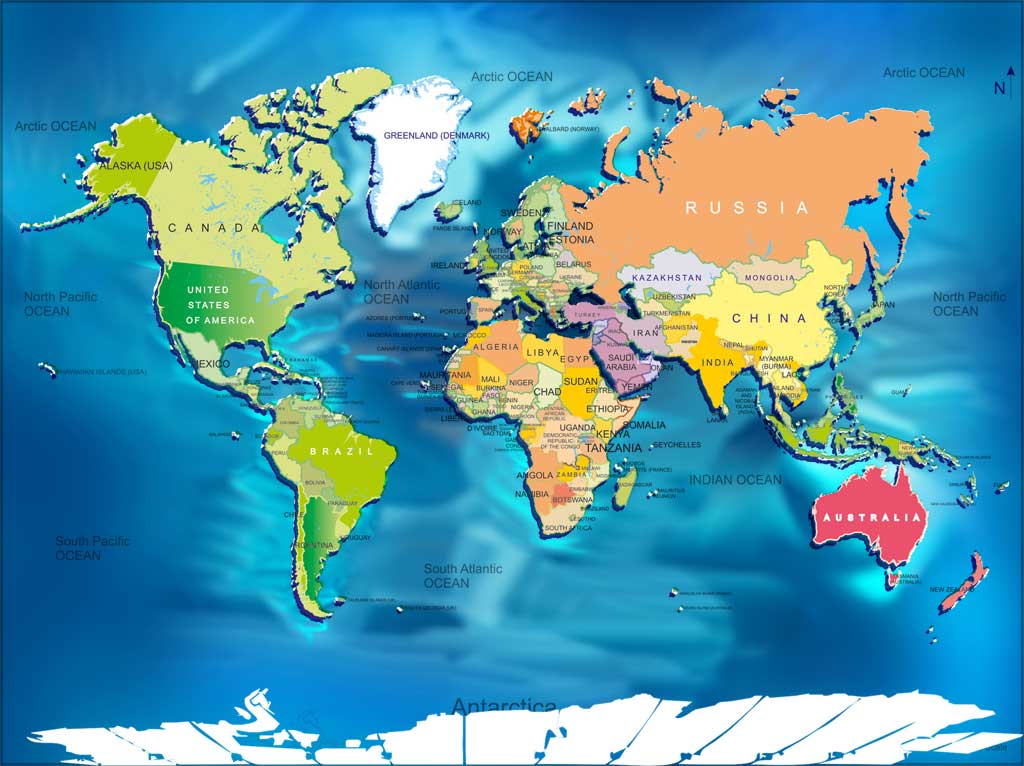
Finding world synonyms and cross-language equivalents bridges the gap between distinct linguistic traditions. When you look for words with similar meanings across different languages, you uncover how human thought patterns intersect and diverge. Translating a concept isn't just about swapping words; it's about navigating subtle cultural layers, tone, and idiomatic expressions that don't always have a direct 1:1 match.
Mastering global vocabulary involves looking past standard dictionary definitions to understand how context shapes intent. Whether you're writing professionally, studying a second language, or translating literature, knowing how to find accurate semantic matches prevents costly misunderstandings. Let's break down how to track down cross-lingual equivalents, evaluate shade of meaning, and avoid common translation traps.
The Mechanics of Cross-Language Synonymy
In monolingual writing, a synonym is an alternative term with a nearly identical meaning, such as "fast" and "quick." In a multilingual context, synonymy becomes more complex. Two words from different languages might share a core definition, but carry completely different emotional weight or social registers.
Cognates often create false security. For example, the Spanish word molestar looks like the English "molest," but its primary everyday meaning is simply "to bother" or "to annoy." True cross-lingual synonyms require examining semantic overlap across three dimensions:
- Denotation: The literal dictionary definition shared by both terms.
- Connotation: The emotional or cultural associations attached to the word in native usage.
- Register: The level of formality, whether casual slang, professional jargon, or literary prose.
When you're searching for equivalents, evaluating these three pillars ensures your translated text sounds natural to a native speaker rather than robotic.
Practical Methods for Finding Global Synonyms
Relying on a single bilingual dictionary often traps you in rigid, unnatural phrasing. To build a rich vocabulary across multiple languages, use a combination of specialized tools and corpus-driven techniques.
Bilingual Thesauruses and Lexical Databases
Traditional bilingual dictionaries give you a translation, but rarely offer alternatives. Instead, turn to lexical databases designed for semantic mapping.
- EuroWordNet: A multilingual database that links wordnets for several European languages, allowing you to trace synonymous concepts across language families.
- Open Multilingual Wordnet: An open-source project connecting lexical concepts across dozens of global languages through shared concept identifiers.
- Concepticon: A resource that links concepts across different linguistic databases to study how languages categorize the world.
Parallel Corpora and Contextual Search
If you want to see how real people use synonyms in everyday writing, search engines that index multilingual texts are invaluable.
- Linguee: Pairs your search term with millions of translated sentences from official documents, EU publications, and professional websites, showing you real-world alternatives in context.
- Reverso Context: Pulls authentic usage examples from movies, books, and news articles to reveal which synonym fits a specific conversational tone.
For deeper insights into how lexical semantics function globally, you can review the linguistic research shared by Ethnologue on language relationships and diversity.
Navigating Cultural Nuances and False Equivalents
Words carry the weight of history and culture. A direct translation can easily fail if you ignore the social environment where the word lives.
Take the English concept of "privacy." While many European languages have terms derived from Latin roots, the cultural expectations surrounding personal space and data differ drastically between North America, Western Europe, and parts of East Asia. A synonym chosen without cultural context can sound overly aggressive or completely nonsensical.
Another common hurdle is idiomatic divergence. In English, you "catch a cold." In Spanish, you catarrarse or coger un resfriado, and in German, you einen Schnupfen bekommen (to get a sniffle). Literal synonym matching falls apart here; you have to search for the functional equivalent—the phrase native speakers use to express the identical physical state.
For official guidelines on translation standards and terminology management, consult the Translation Bureau resources on cross-cultural professional communication.
Common Mistakes in Multilingual Synonym Matching
Translators and language learners often fall into predictable traps when hunting for foreign synonyms. Avoiding these errors saves time and preserves message integrity.
- Trusting literal word-for-word translation tools: Relying blindly on automated output without checking contextual nuances leads to awkward, unnatural phrasing.
- Ignoring regional dialects: Spanish spoken in Madrid differs significantly from Spanish spoken in Buenos Aires or Mexico City. A synonym that works in one region may be obsolete or offensive in another.
- Overusing high-register words: Picking an overly formal synonym in a casual context makes your writing sound stiff and robotic. Match the register of your target audience.
- Neglecting prepositions and collocations: Words don't live in isolation. A noun might have a great synonym, but it might require a completely different verb or preposition to sound correct.
Frequently Asked Questions
How do I know if a foreign synonym is formal or informal?
Check context-driven corpora like Reverso or consult a native-authored dictionary that explicitly marks register labels, such as formal, colloquial, archaic, or slang.
Why do some English words have no direct synonyms in other languages?
Languages develop words to describe concepts important to their culture. If a culture doesn't prioritize a specific distinction, it might use a broader descriptive phrase rather than a single dedicated term.
Can automated AI translation tools find accurate synonyms?
Modern AI models handle context much better than older literal translators, but they can still hallucinate or miss subtle regional idioms. Always cross-reference AI suggestions with parallel corpora or native-speaker resources.
How can I practice expanding my vocabulary across multiple languages?
Read foreign-language news outlets, engage in bilingual forums where locals discuss everyday topics, and keep a dedicated digital journal where you record functional equivalents rather than isolated words.



