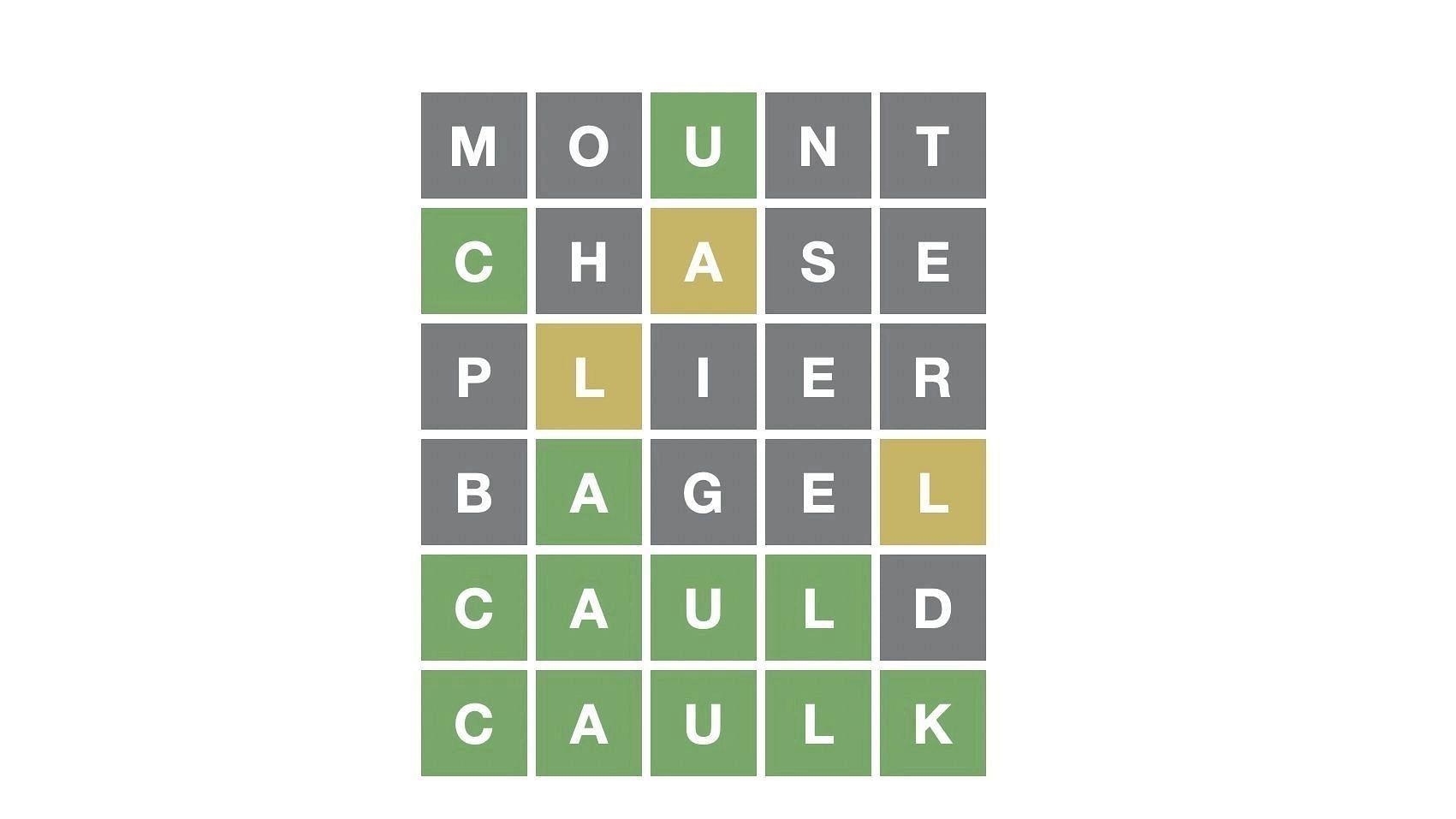
Solving Wordle consistently isn't about guessing the daily word on your first try. It's about building a repeatable process that turns six rows of tiles into a predictable win. When you treat each guess as an information-gathering step rather than a random shot in the dark, your average solve rate drops significantly.
The primary keyword behind this method is Wordle strategy, which focuses on optimizing your opening words, interpreting color feedback correctly, and avoiding common late-game traps. Whether you play casually or stick to hard mode, sharpening your approach transforms the game from a coin flip into a logic puzzle.
Choosing Your Opening Words
Your first guess sets the foundation for the entire puzzle. A weak opener wastes valuable tiles on rare letters or redundant vowels, while a strong opener maximizes information.
The most effective starting words combine high-frequency consonants like R, S, T, L, and N with common vowels such as A and E. Popular options include words like CRANE, SLATE, and TRACE. These words test multiple unique letters at once without relying on low-yield letters like Q, Z, or X.
Sticking to the same opening word each day helps you learn how to respond to specific patterns. When you see familiar combinations of green and yellow tiles on row one, your brain instantly recognizes the next logical step.
Interpreting Tile Feedback
Once your first guess lands, the board responds with three distinct colors: grey, yellow, and green. Knowing how to treat each color separates casual players from consistent solvers.
- Grey tiles mean elimination: Never reuse a letter that turns grey unless the word contains a double letter. Recycling dead letters wastes a precious slot on your board.
- Yellow tiles mean relocation: A yellow tile tells you the letter belongs in the word, but it's currently sitting in the wrong position. On your next guess, move that letter to a completely new column while introducing fresh consonants.
- Green tiles mean locked in: Keep green letters fixed in their exact spots. Don't move them around unless a rare structural constraint forces you to reconsider.
If your opener gives you minimal feedback, your second row shouldn't hunt blindly for the answer. Instead, use a second probing word that tests an entirely new batch of common letters.
Narrowing Down Candidates in Late Turns
By guess three, a well-played game usually narrows the candidate pool down to a manageable number of possibilities. This is where many players stumble by rushing into guesses without checking word patterns.
Look out for common English suffixes and letter clusters like -IGHT, -ATCH, -OUND, or -TION. If you have four green letters and several valid options remain—such as LIGHT, TIGHT, FIGHT, and RIGHT—don't just cross your fingers and pick one.
Instead, use a diagnostic guess if you have enough turns left. A diagnostic guess is a word chosen specifically to eliminate multiple candidate possibilities at once, even if that word itself isn't the actual solution. For example, testing a word that contains distinct consonants can split your remaining options in half.
Common Mistakes to Avoid
Even experienced players occasionally fall into predictable traps that ruin a streak. Watch out for these errors during your daily puzzles:
- Forgetting duplicate letters: Words can contain the same letter twice. If you've narrowed down a slot but keep missing because you assume letters are unique, words like STALL or FLEET will catch you off guard.
- Ignoring hard mode constraints: If you play in hard mode, you must reuse every revealed green and yellow clue in subsequent guesses. Plan your intermediate guesses carefully so you don't trap yourself in a corner where no valid words fit the criteria.
- Chasing three-guess wins too aggressively: Trying to force a lucky three-row solve often leads to risky, low-probability guesses. A reliable four-row solve protects your win streak far better than high-risk guessing.
For more official background on how linguistic patterns shape puzzle design, you can read insights from the New York Times games team. To practice your pattern recognition further, check out strategy breakdowns on Word Play Forever.
Frequently Asked Questions
Should I change my starting word every day?
No, keeping a consistent opener builds pattern recognition. When you use the same starter every day, you quickly learn how to handle every possible color combination that comes back on row one.
What should I do if my first guess turns entirely grey?
Don't panic. A completely grey first row simply eliminates five common letters, making your second guess much more powerful. Pick a second word that uses an entirely new set of vowels and consonants.
Is hard mode better for consistency?
Hard mode forces you to practice disciplined positioning, which often improves your overall skill. However, it also prevents you from using diagnostic test words, making it stricter if you get stuck with multiple rhyming options at the end.
How do I handle words with double letters?
If a letter turns green or yellow once, keep in mind it might appear a second time in the solution. If you suspect a double letter, test it early during your mid-game guesses rather than waiting until your final attempt.



