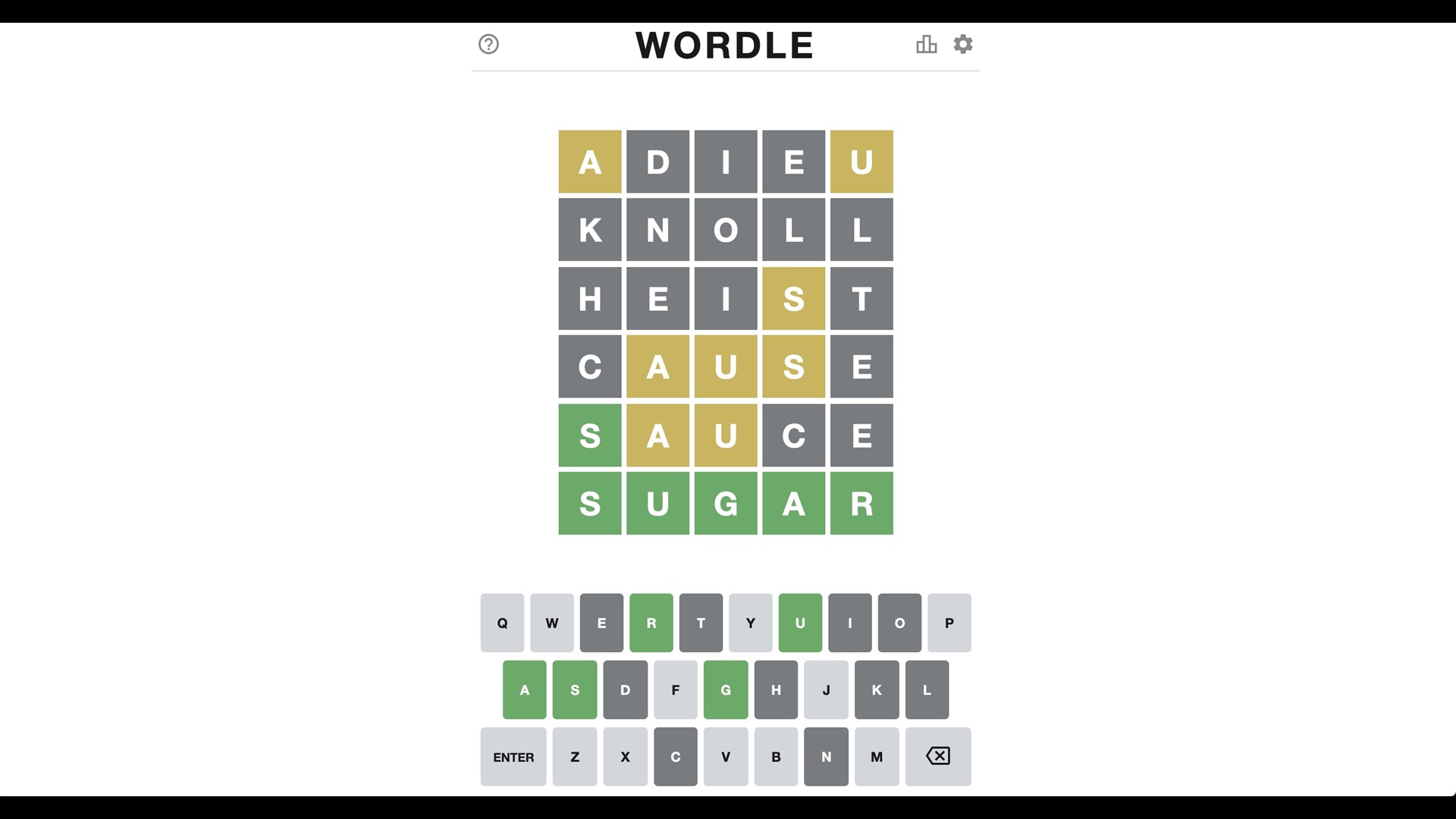
Wordle isn't just a daily vocabulary test; it's a massive cultural habit. Millions of players open the New York Times Games portal every single morning to solve the same five-letter puzzle. This shared ritual turns a simple grid of green, yellow, and gray boxes into a global conversation.
Understanding the enduring appeal of this online game requires looking past the daily scramble for hints. The magic lies in its strict constraints, its social mechanics, and the psychology of a single daily puzzle that keeps players coming back without burning them out.
The Architecture of a Daily Habit
Most mobile games demand hours of attention, pushing monetization pop-ups and endless progression loops. Wordle took the opposite path. Created by software engineer Josh Wardle for his partner in 2021, the game deliberately limits you to one puzzle every twenty-four hours.
That artificial scarcity changed everything. When everyone plays the exact same puzzle on the exact same day, it creates a synchronized collective experience. You can't grind ahead or binge-play three dozen levels on a weekend. This restraint protects the game from fatigue. It treats your time with respect, turning a quick mental stretch into a pleasant morning routine rather than an addictive trap.
Why Five Letters Change Everything
The structure of the puzzle forces a balance between vocabulary and logic. You have six tries to uncover a target word, receiving color-coded feedback after every guess. Green means the letter is correct and in the right spot. Yellow means the letter is in the word but misplaced. Gray means the letter isn't in the puzzle at all.
This tight feedback loop triggers a powerful problem-solving drive. Players quickly realize that random guessing leads to quick losses. Success depends on strategic elimination.
- Vowel concentration: Opening with words packed with common vowels like A, E, and I cuts down the possibilities immediately.
- Consonant placement: Tracking which common consonants (like T, N, S, and R) remain helps narrow down tricky endings.
- Avoiding gray traps: Reusing eliminated letters wastes precious guesses and stalls your progress.
The Social Media Grid and Viral Growth
Long before corporate marketing teams tried to manufacture viral loops, Wordle players built their own. The secret weapon of the game's growth was its spoiler-free score grid.
Instead of showing the actual words they guessed, the share button transforms your game history into an abstract pattern of colored squares. This clever design lets players brag about their efficiency or commiserate over a failed sixth row without ruining the puzzle for friends who haven't played yet. It turned Twitter feeds and group chats into digital water coolers, where everyone could compare their analytical paths to the same finish line.
From Indie Project to Global Institution
In January 2022, The New York Times acquired Wordle for an undisclosed low-seven-figure sum. While purists worried the acquisition would ruin the indie charm, the core mechanics remained untouched. The game found a permanent home alongside the Spelling Bee and the Crossword, cementing daily word puzzles as a core pillar of modern digital media.
The transition also spawned countless spinoffs and variants, from geography guessing games to multi-word simultaneous challenges like Quordle. Yet, the original five-letter daily format remains the gold standard, proving that simple rules often outlast complex graphics.
Common Strategic Mistakes to Avoid
Even seasoned players fall into traps that ruin their win streaks. Recognizing these pitfalls keeps your average score low.
- Chasing single letters too early: Finding one green letter doesn't mean you should lock in your second guess around it if other common letters haven't been tested yet. Information gathering beats premature focus.
- Forgetting about letter duplication: Many players assume every letter is unique. When a word features a double letter, it throws off standard elimination logic.
- Ignoring common endings: Words ending in -Y, -ER, or -ED appear frequently, yet players often exhaust guesses testing middle vowels instead of structural suffixes.
Frequently Asked Questions
Why does Wordle only have one puzzle a day?
The single daily puzzle format was an intentional design choice by Josh Wardle to keep the game fun and low-stress. By preventing binge-playing, it keeps the experience fresh and prevents players from burning out.
Do all Wordle answers use common English words?
Yes. The target answer list consists of common, everyday English words. Obscure terms, specialized jargon, and plural nouns ending in -s or -es are generally avoided as daily solutions to keep the game fair for a broad audience.
What is considered a good average score on Wordle?
Most regular players average between 3.8 and 4.2 guesses per game. Consistency and keeping a long streak alive matter far more to the community than occasionally scoring a lucky two-guess solve.
How did the New York Times change the game after buying it?
The core gameplay mechanics, aesthetic, and daily schedule remained identical. The New York Times integrated Wordle into its broader suite of subscription games, adding stat tracking and editorial care while preserving the minimalist design.



