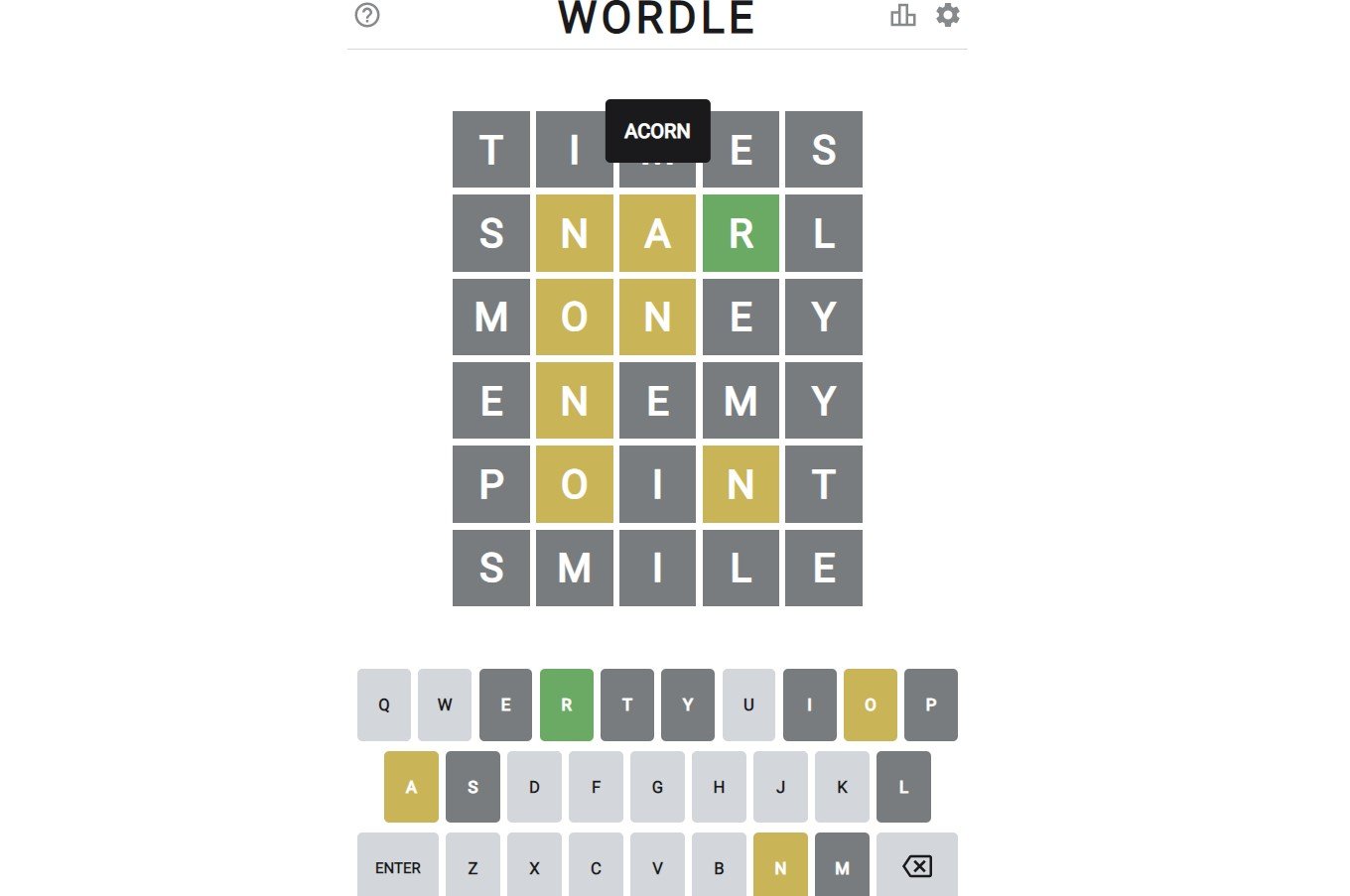
When a daily word puzzle captured millions of global players, it proved that modern internet virality doesn't always need high-end graphics or frantic action. The Wordle phenomenon revealed a collective appetite for quiet, daily rituals wrapped in clever linguistic constraints. What started as a personal project by software engineer Josh Wardle for his partner exploded into a global habit tracked across social feeds and coffee breaks.
At its core, the game forces players to deduce a five-letter target within six tries using color-coded tile feedback. Green squares mark correct letters in correct spots, yellow tiles show correct letters in wrong spots, and gray tiles eliminate letters entirely. This straightforward feedback loop triggers a satisfying release of dopamine while keeping the cognitive load manageable. It takes only a few minutes a day, giving people a low-barrier way to feel a small sense of accomplishment before their morning coffee.
The Mechanics of Viral Design
The structural brilliance of the puzzle lies in artificial scarcity. By restricting players to one puzzle every twenty-four hours, the creator sidestepped the burnout trap common in mobile gaming. You can't binge it, so you look forward to it tomorrow.
Social sharing played an equally vital role in its explosive growth. Instead of letting players spoil the answer, the sharing mechanism converts your guesses into a tidy grid of colored squares. It's a clever bit of social currency. You broadcast your problem-solving journey without ruining the puzzle for friends who haven't played yet.
- The Daily Reset: Everyone worldwide tackles the exact same word on the exact same day, turning a solitary puzzle into a massive synchronized event.
- Frictionless Sharing: The emoji-grid format lets millions brag, commiserate, and compare efficiency without text spoilers.
- Low Time Investment: A three-minute commitment fits easily into commutes, work breaks, and morning routines.
Linguistic Strategy and Cognitive Patterns
Behind the colorful squares sits a fascinating exercise in applied probability and English vocabulary. Your opening guess sets the trajectory for the entire puzzle. Experienced players rarely pick random words; they rely on words packed with high-frequency vowels and common consonants like crane, slate, or audio.
Each guess acts as a manual filtering algorithm. If you guess slate and see that s and e light up yellow while the rest turn gray, you've instantly eliminated thousands of possibilities from your mental dictionary. Linguistics experts note that English orthography has high redundancy, meaning certain letter combinations appear far more frequently than others. Players exploit these patterns intuitively, treating a linguistic challenge like a logic puzzle.
- The Opening Move: Choose a word rich in common vowels and frequent consonants to maximize early data collection.
- The Refinement Phase: Evaluate letter positions carefully, avoiding letters confirmed as absent while shifting yellow tiles to new slots.
- The Elimination Stage: Isolate remaining candidates by testing distinct consonant combinations until only the correct word fits all constraints.
Cultural Impact and the Shared Digital Campfire
The rise of this word game transformed online social circles into communal puzzle rooms. Work Slack channels, family group chats, and Twitter timelines filled with green-and-yellow grids every morning. It created a neutral, low-stakes topic of conversation that bridged gaps between colleagues, strangers, and old friends.
This cultural footprint caught the attention of major institutions, including The New York Times, which acquired the game to bolster its digital puzzle portfolio. The acquisition sparked debates about commercialization, yet the daily habit survived the transition largely intact. The format proved so robust that it inspired an entire genre of daily spin-offs covering geography, math, music, and niche fandoms.
Common Mistakes Players Make
Even though the rules are simple, certain habits sabotage a player's win streak. Recognizing these pitfalls helps you sharpen your strategy.
- Reusing Gray Letters: Forgetting which letters you've already eliminated leads to wasted guesses on impossible words.
- Ignoring Vowel Variety: Sticking only to hard consonants early on starves you of crucial vowel placement data.
- Rushing the Third Guess: Failing to process all previous feedback before locking in a middle guess often burns up your remaining attempts unnecessarily.
Frequently Asked Questions
Why is there only one puzzle per day?
Limiting players to a single daily puzzle prevents game fatigue and turns the experience into a shared global ritual rather than an addictive binge.
Do opening words actually matter?
Yes. Starting with words containing high-frequency vowels and common consonants gives you significantly more useful feedback on your first try.
Why did the game become so popular on social media?
The spoiler-free emoji grid allowed players to display their score and share the emotional highs and lows of the daily puzzle without ruining the answer for others.
Is the game based on a physical predecessor?
The puzzle draws clear inspiration from pen-and-paper word games like Jotto and the television game show format of Lingo, adapted for modern web sharing.



