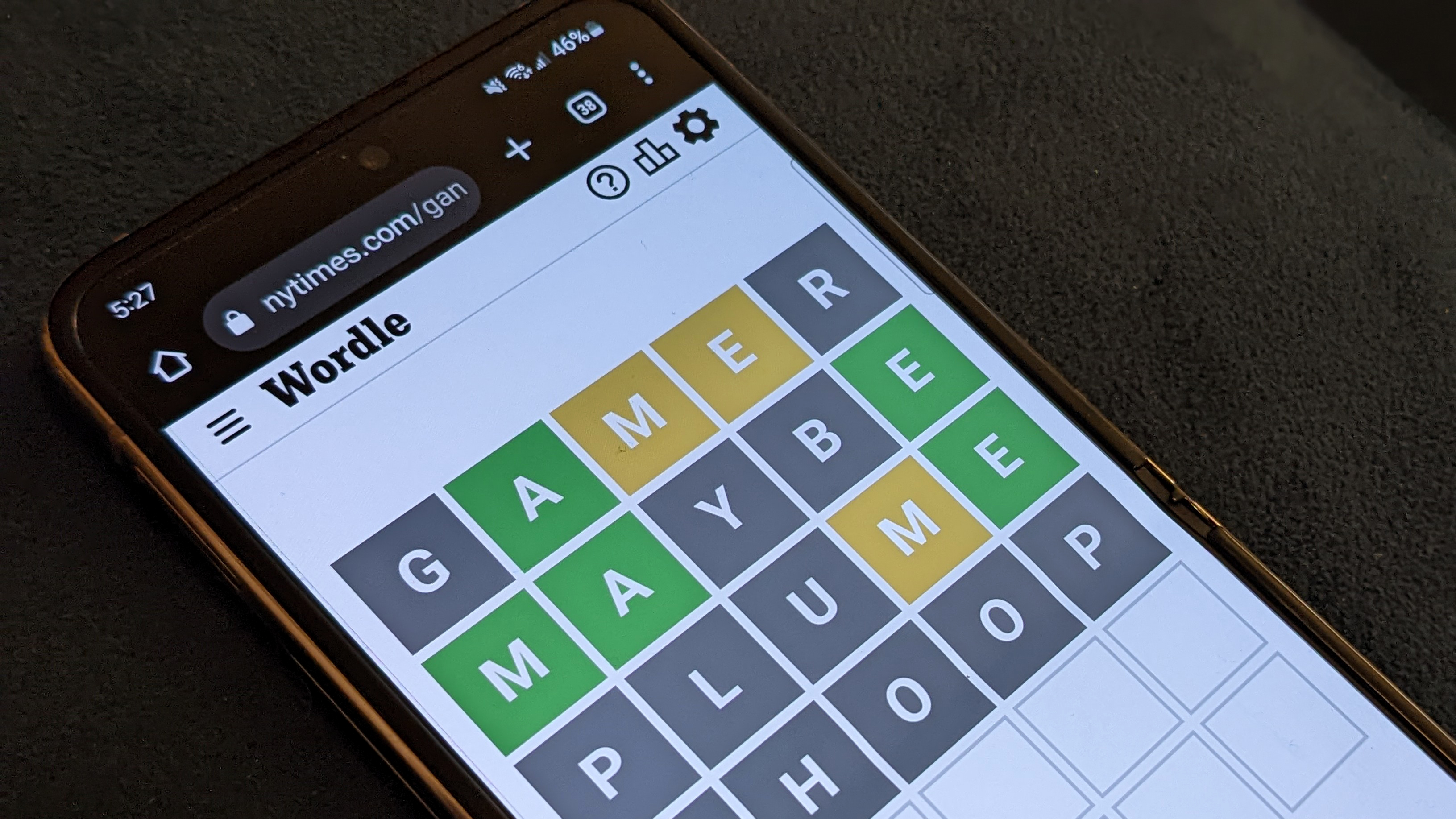
Finding a reliable wordle hint today can save your streak when you're staring at a row of gray tiles and running out of guesses. Whether you're stuck on a tricky consonant cluster or just want to sharpen your daily opening moves, consistent success in this five-letter word game comes down to eliminating possibilities systematically rather than guessing blindly.
The game gives you six attempts to decode a hidden target word using color-coded feedback: green means correct letter and placement, yellow means correct letter in the wrong spot, and gray means the letter isn't in the word at all. Mastering this puzzle requires blending vocabulary knowledge with probability. Here are the core tactics you need to upgrade your daily game.
Selecting the Best Starting Words
Your opening move dictates the entire trajectory of the puzzle. Wasting your first line on words with rare letters or heavy repeats limits the amount of helpful data you receive.
Statistical analyses of the New York Times Wordle vocabulary list show that an effective starting word should maximize high-frequency vowels and common consonants.
- Prioritize common vowels: Words featuring A, E, O, and I give you an immediate read on the core structure of the puzzle. Avoid opening with words relying heavily on U or Y.
- Anchor with strong consonants: Letters like R, S, T, L, and N appear with high frequency in the curated answer bank.
- Avoid duplicate letters early: Starting with a word like "mammy" or "speed" tests fewer unique letters, making your opening guess far less efficient than a word with five distinct characters like "slate" or "crane".
Reading Feedback and Narrowing the Field
Once your first guess is on the board, the real analytical work begins. Many players stumble because they fixate on a single yellow letter without mapping out how it interacts with the rest of the grid.
Treat each guess as a process of elimination. If your opening word is "crane" and you receive a green tile on the first letter, a yellow tile on the third, and gray tiles elsewhere, you know the word starts with your first letter, contains your third letter somewhere else, and excludes three specific consonants entirely.
Write down remaining possibilities or track them mentally. If you eliminate common letters like S, T, and R early, you drastically shrink the mental decision tree for your second and third lines.
Advanced Mid-Game Tactics
When you reach the third or fourth row without a definitive answer, standard intuition often fails. This is where advanced players use specific adjustments to break through stubborn puzzles.
Using Diagnostic Gambits
Sometimes you have two or three potential words that fit the pattern, but you lack enough confirmed letters to be certain. In these scenarios, make a speculative guess—sometimes called a filler or diagnostic word—that contains entirely different consonants to test multiple hypotheses at once. While this sacrifices a turn, it prevents you from burning your final guesses on blind luck.
Managing Letter Clashes
Be aware of double-letter traps. The puzzle frequently features words with repeating letters, such as "flood" or "happy". If you suspect a double letter but don't have confirmation, test it carefully rather than assuming every letter in your row is unique.
Common Mistakes to Avoid
Even seasoned players fall into predictable traps that ruin otherwise strong games.
- Playing too fast: Entering words impulsively without checking previous gray tiles leads to wasted guesses on letters you already know aren't in the puzzle.
- Ignoring vowel placement: Assuming a vowel must stay in the same column just because it appeared yellow previously ignores the fundamental rule that yellow means the letter belongs somewhere else in the word.
- Chasing single-letter variations: When four out of five letters are green (such as _OUND for hound, pound, wound, mound), rushing into your final guesses without considering all remaining starting letters will drain your remaining attempts.
Frequently Asked Questions
What are the most reliable starting words?
Words with high vowel density and common consonants, such as slate, crane, stare, and trace, offer the highest statistical coverage for your opening attempt.
How do I handle multiple yellow tiles?
Treat yellow tiles as high-priority repositioning puzzles. Write down the remaining valid slots for those letters before choosing your next word to ensure you don't place them back into columns they've already failed in.
Does the puzzle repeat words?
The curated official word list is massive, but the editors have occasionally reused words or adjusted terms. Relying on past solution lists as a strict roadmap isn't recommended.
Why do some words take all six guesses?
Some solutions feature uncommon consonant blends or rare letter combinations that defy standard frequency rules. In these instances, relying purely on elimination is your best defense against breaking a long streak.



