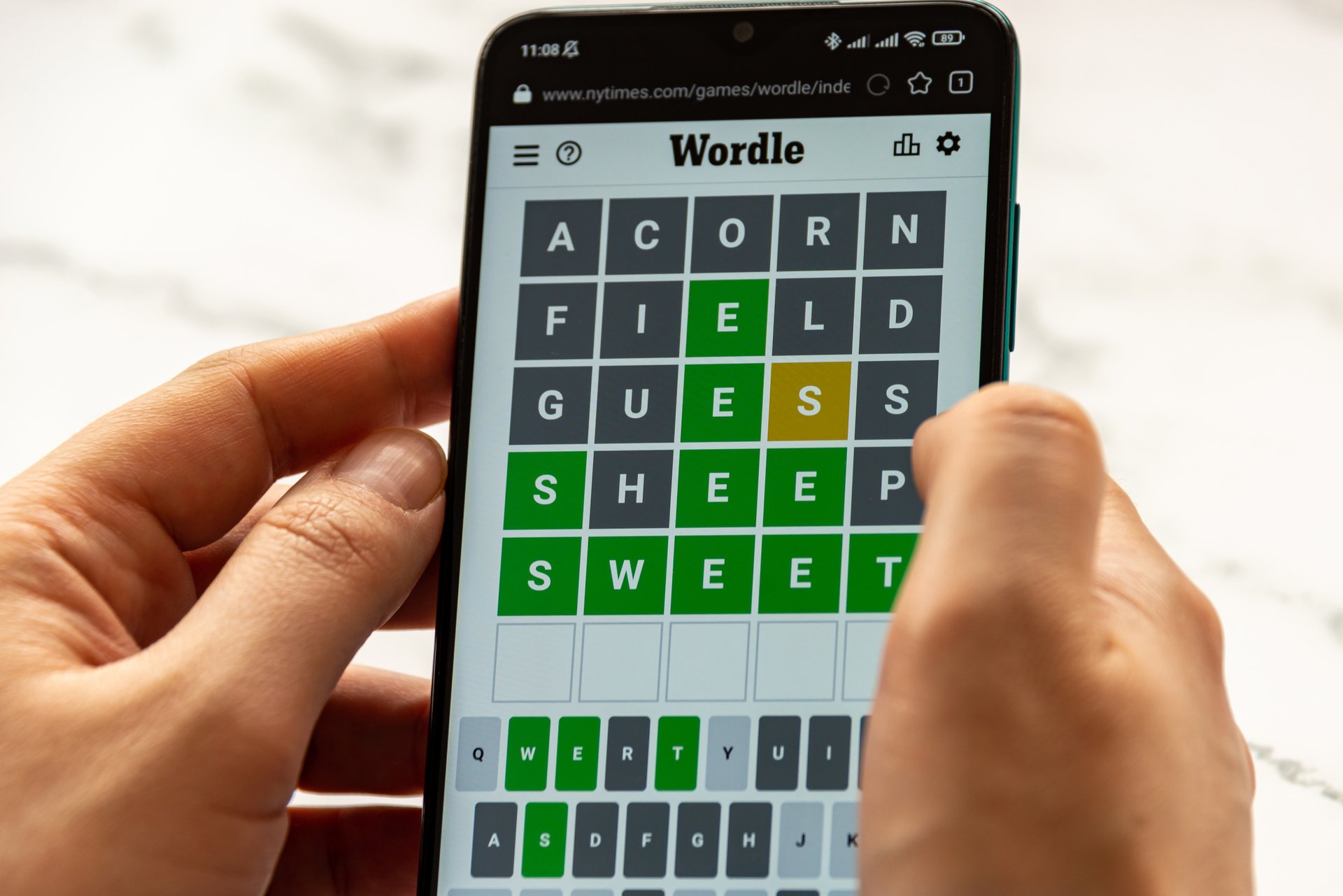
Wordle is a daily word puzzle that challenges players to crack a hidden five-letter target in six attempts or fewer. Created originally as a private project by software engineer Josh Wardle for his partner, the game exploded into a global phenomenon before being acquired by The New York Times. Millions of people log on daily not just for the challenge, but because the format strikes a rare balance between accessibility and deep logic. You don't need a massive vocabulary to start, but mastering consistency requires pattern recognition and disciplined elimination.
If you've ever stared at a row of gray boxes wondering what to type next, you know how quickly a simple puzzle can turn into a frustrating mental block. Understanding the core mechanics, decoding tile feedback efficiently, and deploying smarter opening strategies will transform your daily sessions from random guessing into structured problem-solving.
Understanding the Core Rules and Tile Feedback
The gameplay loop is straightforward. You type any valid five-letter English word and press enter. The game responds by changing the color of the letter tiles to reflect how close your guess was to the hidden solution.
- Green Tiles: The letter is correct and sitting in the exact right position. This locks down a crucial anchor for your subsequent guesses.
- Yellow Tiles: The letter appears in the hidden word, but it's currently in the wrong spot. You'll need to move it elsewhere in the next attempt.
- Gray Tiles: The letter isn't in the target word at all, meaning you should cross it off your mental or physical scratchpad.
The simplicity of these three colors hides a layer of tactical depth. For instance, managing repeated letters can trip up even experienced players. If a word contains a double letter—like "SLOPE"—and you guess a word with only one instance of that letter, only one tile will light up unless both appear in the target. Paying attention to these nuances prevents wasted guesses.
Building a Smarter Opening Strategy
Your first guess dictates how quickly you can map out the puzzle's vowel and consonant landscape. Wasting early attempts on words with rare letters or heavy repetition slows down your progress.
Instead, professional players rely on words featuring high-frequency vowels (like A, E, O, and I) alongside common consonants (such as R, S, T, L, and N). Starting words like CRANE, SLATE, or ROATE give you a broad baseline of data.
- Avoid duplicate letters early: Starting with a word like SEESAW wastes valuable data points because it tests duplicate letters instead of gathering information on five distinct characters.
- Balance vowels and consonants: Aim for at least two vowels in your opening word to quickly determine whether the solution relies on an A or an E heavy framework.
- Adapt to feedback: If your opening guess yields all gray tiles, don't panic. You've successfully eliminated five common letters, making your second guess much more targeted.
Advanced Deduction and Elimination Techniques
Once you've cleared the opening round, the puzzle shifts into an exercise in logical deduction. Treating each guess as a data set rather than an emotional choice keeps your strategy sharp.
Maintain a strict elimination ledger. Write down or mentally track every eliminated gray letter so you don't accidentally reuse them. When yellow tiles appear, treat them as movable puzzle pieces that must rotate through open slots. If you're stuck in the middle rounds, consider making a transitional guess—a word that doesn't necessarily target the win condition yet, but tests two or three entirely new consonants to break a logjam.
Watch out for regional spelling variations as well. Because the game leans toward American English standards, words featuring spellings like COLOR versus COLOUR follow specific dictionary guidelines that dictate valid answers.
Common Mistakes to Avoid
Even seasoned puzzle solvers fall into predictable traps that cost them valuable turns.
- Rushing second and third guesses: Typing words impulsively just because they use a yellow letter in the same spot it already failed is a fast track to losing. Always verify letter placements before hitting enter.
- Ignoring letter position constraints: If a letter is marked yellow in position two, your next guess cannot place that letter in position two.
- Overlooking hard mode: If you want to build genuine skill, turning on Hard Mode forces you to reuse any revealed clues in subsequent guesses, preventing sloppy throwaway words and forcing disciplined logic.
Frequently Asked Questions
Can I play more than one Wordle puzzle per day?
The official New York Times Wordle platform releases one official puzzle daily. However, various online archives and clone sites offer unlimited play modes if you want to practice multiple rounds back-to-back.
What is the absolute best starting word?
Statistically, words like CRANE, SLATE, and ROATE rank among the highest because they prioritize high-frequency vowels and common consonants without repeating letters.
How do multiple identical letters work in Wordle?
If a target word contains a double letter and your guess only includes one, the game highlights that single instance. If the target contains two and you guess two, both light up. Pay close attention when feedback doesn't match your expectations for repeated characters.
Does Wordle use proper nouns or plurals?
Official puzzle solutions rarely use plural words ending in 'S' as primary answers, and proper nouns are excluded from the target pool. All guesses must still be valid dictionary words recognized by the game engine.



