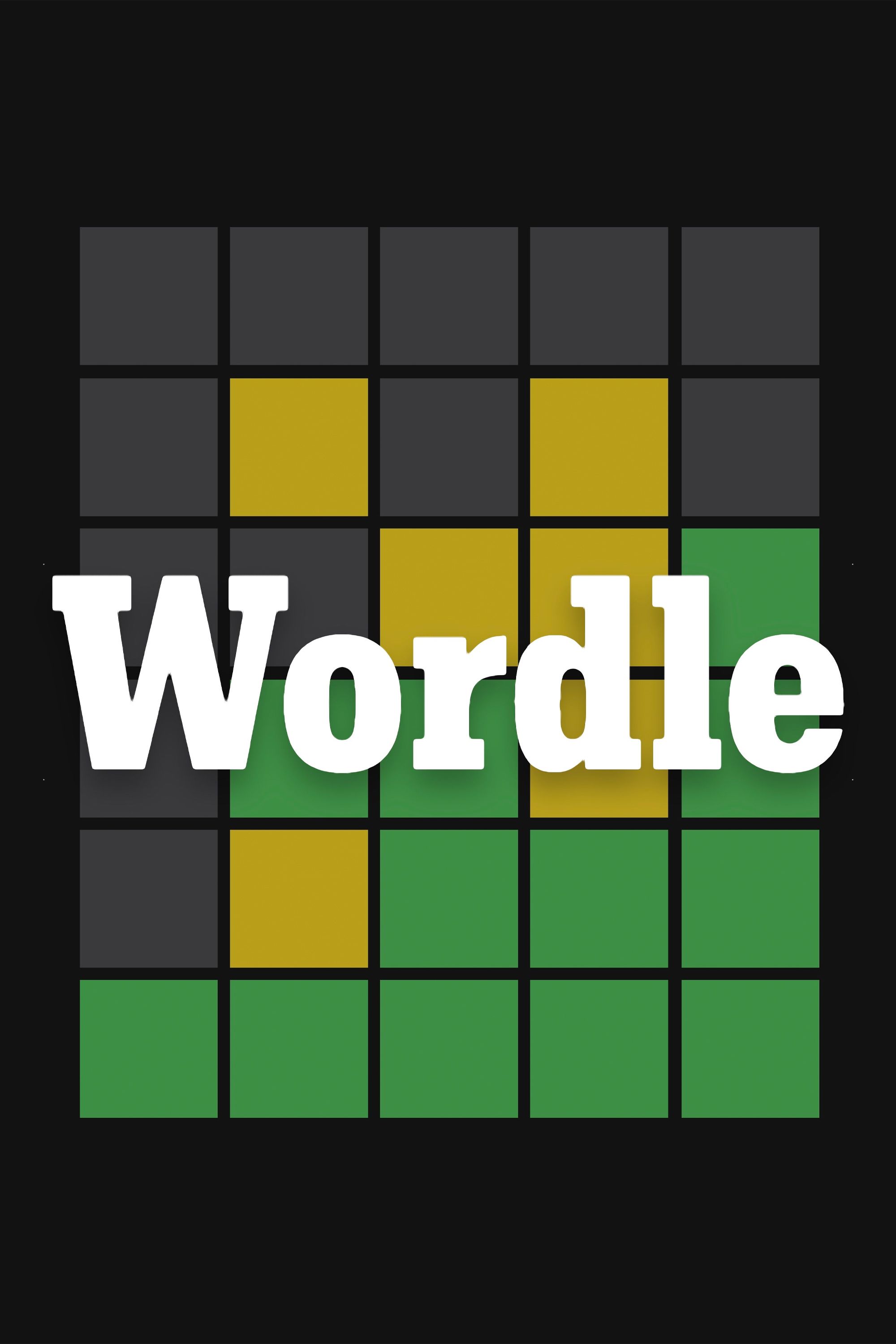
Word games don't usually capture global attention overnight. Yet, the viral puzzle craze that swept across social media feeds changed daily routines for millions of players. Instead of high-end graphics or complex controls, this phenomenon relies on a simple premise: six chances to guess a secret five-letter word.
The sudden explosion of daily share grids transformed a quiet web browser game into a massive cultural touchstone. Understanding why this specific format triggered a worldwide obsession requires looking closely at its design, psychology, and structural mechanics.
The Core Mechanics Driving the Craze
At its heart, the game operates on strict constraints. You type any valid five-letter word to start. The interface responds with a color-coded grid:
- Green tiles indicate the correct letter in the exact correct position.
- Yellow tiles mean the letter is in the word but currently in the wrong spot.
- Gray tiles show that the letter isn't in the target word at all.
This immediate, minimalist feedback loop creates an engaging puzzle experience. Every guess narrows down the alphabetical possibilities. You aren't fighting an aggressive timer or hostile opponents; you're just solving a clean linguistic riddle.
According to data from The New York Times, millions of users integrated the daily puzzle into their morning routines shortly after the publication acquired it. The restriction of one puzzle per day created an artificial scarcity that kept excitement high. You couldn't just burn through fifty levels in one sitting. You played your single daily round, shared your spoiler-free block pattern, and waited for the next morning.
Why Social Sharing Fueled the Growth
The brilliant viral loop didn't happen by accident. Early developers introduced a feature that let players copy their colored tile results directly to clipboard.
When posted on platforms like X (formerly Twitter) or Facebook, these emoji grids looked like secret hieroglyphs. They didn't spoil the answer for anyone else, but they proudly broadcasted success or failure. This triggered a powerful psychological loop:
- Curiosity: Users saw friends posting cryptic colored boxes.
- Inclusion: People wanted to decode the grid and join the daily conversation.
- Validation: Sharing a completed grid in three or four tries offered a quick hit of social proof.
This peer-to-peer distribution channel cost nothing in advertising. The players themselves became the marketing engine, flooding feeds with colorful square patterns every single day.
Smart Strategies to Improve Your Daily Win Rate
If you want to maintain a long streak, random guessing won't cut it. Top players rely on calculated linguistic patterns.
- Prioritize heavy vowels: Your opening word should ideally test multiple vowels like A, E, O, or U. Words like ADIEU, ROATE, or STARE clear out structural ambiguities fast.
- Avoid reusing eliminated letters: Once a tile turns gray, mentally cross it off your internal keyboard. Don't waste valuable rows testing letters you already know are missing.
- Pay attention to letter placement: If a letter turns yellow, remember it can't go in that column again. Shift it to a fresh position on your next line.
Consistency beats luck over time. Keeping a notebook or tracking your favorite opening words helps refine your long-term success rate.
The Rise of Spin-Offs and Variants
The massive success of the original format naturally sparked a wave of creative clones and genre twists. Programmers and fans built alternative versions catering to specific niches.
You can now find variants dedicated to geography, math equations, scientific terms, and pop culture franchises like Harry Potter. Some platforms even let you challenge friends head-to-head in real-time duels to see who solves the puzzle faster. While the internet moves fast, the core appeal of these short, brain-teasing word puzzles remains as strong as ever.
Frequently Asked Questions
Can I play multiple rounds in one day?
The official daily version limits you to one puzzle every 24 hours. However, numerous fan-made archive sites and alternative spin-off apps let you play unlimited rounds if you want extra practice.
Is there a mobile app version available?
The original web-based game runs directly in mobile and desktop browsers. It doesn't require an official app download from the Apple App Store or Google Play, which keeps it lightweight and free from intrusive ads.
What is the best opening word to use?
Words packed with common vowels and consonants—such as SLATE, CRANE, or STARE—give you the highest statistical chance of revealing useful placement data on your very first try.
Why do players share colored grids instead of words?
The emoji grids show your puzzle-solving journey using colored squares without giving away the secret answer to your followers. It creates a communal challenge without ruining the surprise.



