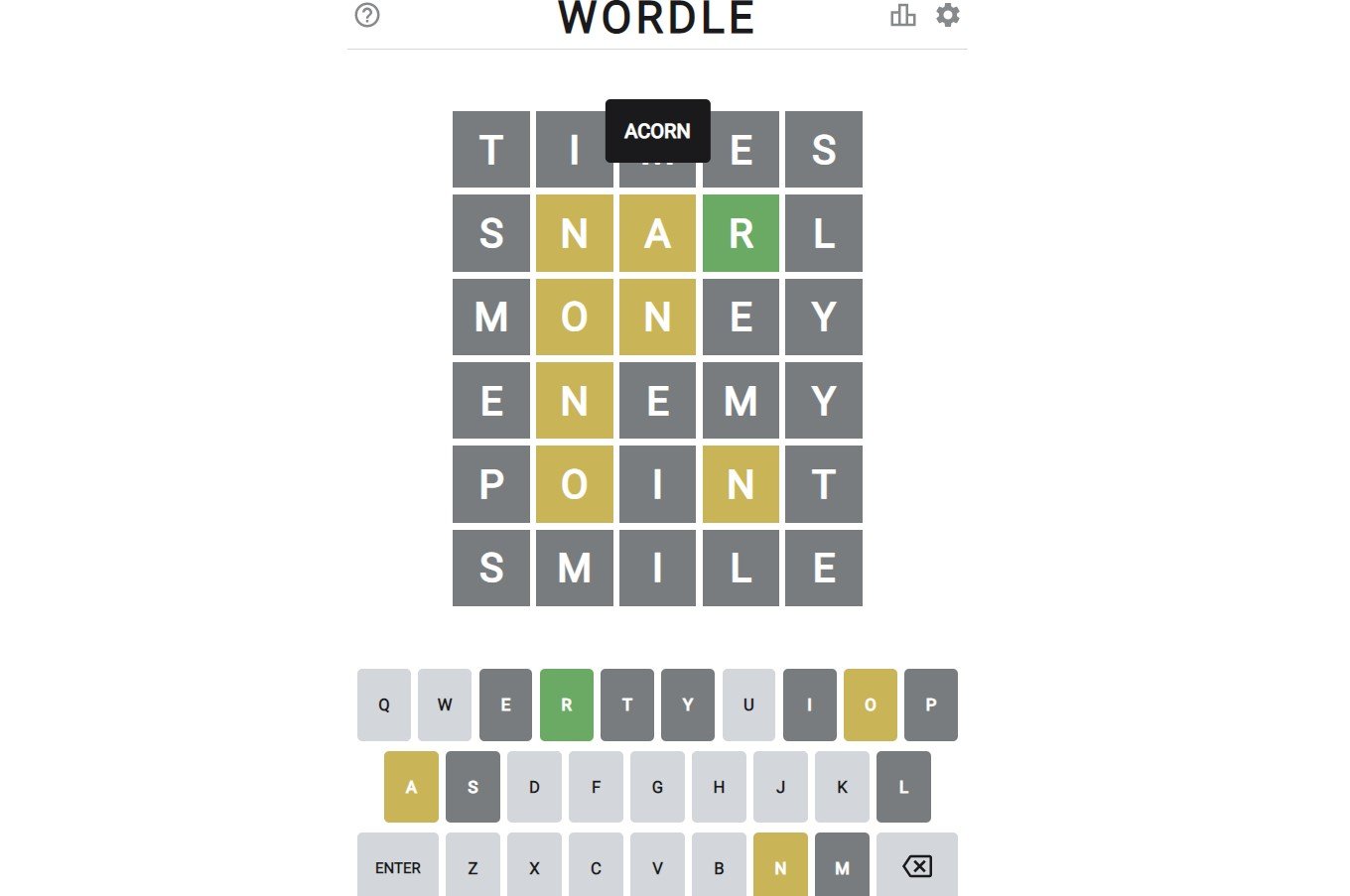
When Josh Wardle released his minimalist word puzzle to the public in late 2021, he accidentally launched a masterclass in modern digital sociology. Without push notifications, microtransactions, or invasive ads, the game captured millions of daily players by trading infinite scroll exhaustion for a single, shared daily challenge. Wordle digital culture isn't just about a green-and-yellow grid; it’s a rare blueprint for how modern communities build connection when attention spans are fragmented.
Instead of demanding hours of continuous screen time, the game imposed strict constraints: one puzzle per day, identical for everyone on earth. This artificial scarcity turned a solitary vocabulary test into a synchronized global ritual. People didn't just play; they woke up, solved the puzzle, and posted cryptic emoji grids to group chats and social feeds, transforming quiet problem-solving into loud social bonding.
The Anatomy of Viral Habit Formation
Traditional apps and social platforms compete for attention through variable reinforcement schedules, endless feeds, and engagement loops designed to keep users hooked for hours. Wordle inverted this entirely. By limiting gameplay to roughly three minutes a day, it left players wanting more rather than feeling burned out.
This scarcity model relied on three core psychological pillars: For another angle on this event, see the recent coverage from Reuters.
- Equal Footing: Every player in the world faced the exact same five-letter word on any given day, leveling the playing field between casual players and language experts.
- The Spoiler-Free Grid: The now-famous row of colored squares let users display their results without spoiling the answer for others, sparking curiosity and competitive banter.
- Low Friction: Requiring no app store download or account creation meant anyone with a browser could participate instantly.
These design choices fostered a sense of collective participation reminiscent of traditional morning newspapers or watercooler television shows, a rarity in an internet defined by algorithmic personalization.
Rewriting Social Media Rules
Before the Wordle phenomenon took hold, major platforms were sliding deeper into polarized discourse, outrage-driven algorithms, and hyper-personalized content bubbles. When millions of users simultaneously posted identical, spoiler-free emoji grids, it created a massive horizontal dialogue that bypassed algorithmic curation entirely.
People who hadn't spoken in years found common ground over whether SLATE or CRANE made a better starting word. Workplaces established Slack channels dedicated solely to daily scores, lowering professional barriers and offering a benign icebreaker. Media outlets like The New York Times quickly recognized that this hunger for low-stakes, participatory joy pointed toward a healthier model for digital engagement.
Example Wordle Share Grid:
⬛ 🟨 ⬛ ⬛ ⬛
⬛ 🟩 🟨 ⬛ ⬛
🟩 🟩 🟩 🟩 🟩
The format proved that internet users weren't inherently hostile or fatigued by text-based sharing; they were simply exhausted by platforms that weaponized their attention.
The Economic and Media Aftermath
The game’s explosive growth caught the attention of major media companies, culminating in its acquisition by The New York Times in early 2022 for an undisclosed seven-figure sum. This move signaled a shift in how legacy publishers viewed gaming and puzzles: not as peripheral entertainment, but as essential subscriber acquisition and retention tools.
Newsrooms across the web scrambled to analyze the mechanics behind the trend. Writers dissected starting word strategies, linguistic frequency distributions, and the social etiquette of spoiler warnings. This wave of coverage demonstrated a broader truth about modern content consumption: audiences prefer content that invites them to participate over content that talks at them.
Beyond media publishing, the trend triggered an explosion of copycat formats. From geography guessing games to niche trivia variants, developers tried to capture lightning in a bottle. However, many failed by missing the core constraint that made the original work: the daily communal anchor. When everything is available infinitely, nothing feels special.
Frequently Asked Questions
Why did Wordle become so popular compared to older online word games?
Wordle succeeded because of its social sharing mechanic and daily synchronization. While crosswords and anagrams had existed online for decades, they were solitary pursuits. The spoiler-free emoji grid turned personal achievement into a visible, collective social currency.
How did the once-per-day limit affect player retention?
The daily limit prevented burnout and created genuine anticipation. By cutting players off before fatigue set in, the game established a healthy psychological habit loop that encouraged people to return the next morning.
What lessons did digital media brands learn from the trend?
Publishers realized that audiences crave active participation and shared cultural touchstones. Instead of building passive consumption funnels, successful modern digital strategies often incorporate lightweight interactive elements that foster community conversation.
Can viral hobby games be intentionally engineered?
While developers can incorporate best practices like low friction and social shareability, true cultural phenomena usually rely on timing, simplicity, and a degree of serendipity that cannot be entirely manufactured in a boardroom.



