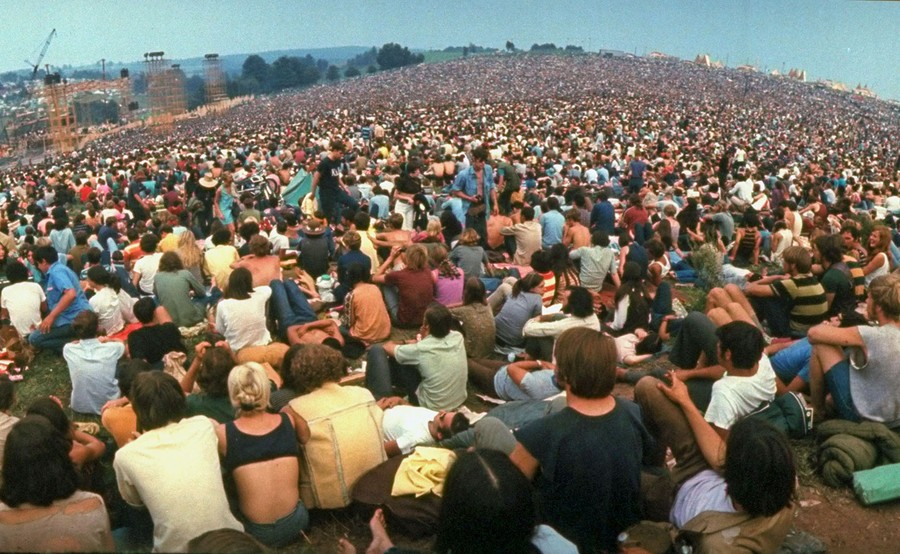
The Woodstock 99 lineup featured an explosive mix of late-nineties heavy metal, alternative rock, hip-hop, and pop icons, set against the disused tarmac of the Griffiss Air Force Base in Rome, New York. Promoters John Scher and Michael Lang wanted to recreate the peace and love of 1969, but the reality of July 1999 delivered scorching heat, exorbitant water prices, and an aggressive roster that tipped the weekend into chaos.
Examining the actual schedule, set times, and cultural positioning of the performances reveals how a multi-genre music festival transformed into a historic cultural flashpoint. Understanding the timeline clarifies why certain sets became legendary while others were swallowed by the surrounding disorder.
The Headliners and Daily Schedule Breakdown
The festival spanned three primary days of music—Friday, July 23 through Sunday, July 25, 1999—with additional opening sets on Thursday. Organizers split performances across two massive outdoor spaces: the East Stage and the West Stage, alongside a smaller Emerging Artists stage.
Friday, July 23: The Opening Momentum
Friday set a high-energy tone, balancing legacy acts with dominant late-90s alternative and rap-rock forces. James Brown opened the East Stage at noon, followed by groove-heavy and electronic-infused sounds from Jamiroquai and Live.
As the sun moved lower, the tone hardened significantly. DMX and The Offspring drew massive, agitated throngs before Korn took the stage. Korn's aggressive performance triggered a massive crowd surge that overwhelmed security barriers, setting a tense precedent for the rest of the weekend. Bush closed out the East Stage late that night.
Saturday, July 24: Peak Alternative and the Turning Point
Saturday's roster packed consecutive heavyweight alternative and rap-metal acts into the afternoon and evening blocks. Early sets from The Tragically Hip, Kid Rock, and Counting Crows gave way to the melodic crunch of Alanis Morissette and the explosive set by Limp Bizkit.
During Limp Bizkit's afternoon performance of "Break Stuff", the crowd began ripping plywood panels from the sound towers, marking a structural and behavioral collapse. Rage Against the Machine followed with a politically charged performance, and Metallica closed the night amid rising bonfires and flying plastic bottles.
Sunday, July 25: Legacy, Pop, and the Final Meltdown
Sunday offered a stark tonal shift early on, featuring country legend Willie Nelson, rockabilly pioneer The Brian Setzer Orchestra, and singer-songwriters Elvis Costello and Jewel.
However, as evening approached, heavier acts like Creed and the Red Hot Chili Peppers took over. During the Chili Peppers' set, peace candles distributed by anti-violence groups were used to ignite bonfires across the airfield. The festival ended in riots, looting, and widespread property destruction as the site descended into flames.
Complete Stage-by-Stage Performance Roster
To understand the scale of the event, it helps to review the primary bands that performed across the main venues during the main three days of the festival.
- East Stage Heavyweights: James Brown, Sheryl Crow, DMX, Korn, Bush, Alanis Morissette, Limp Bizkit, Rage Against the Machine, Metallica, Willie Nelson, Jewel, and Red Hot Chili Peppers.
- West Stage Alternates: The Roots, Insane Clown Posse, George Clinton & the P-Funk All-Stars, Moby, The Chemical Brothers, Ice Cube, Godsmack, and Megadeth.
- Breakout and Emerging Acts: Artists like Buckcherry, Lit, Sevendust, and a very early performance by Muse performed on smaller side stages, catching audiences between major main-stage shifts.
According to historical archives on Rolling Stone, the sheer density of back-to-back high-volume acts left very little breathing room for the crowd of roughly 200,000 attendees, exacerbating the logistical strain caused by a lack of adequate hydration stations and working sanitation infrastructure.
Genre Dynamics on the Bill
The musical selection reflected a distinct cross-section of late-century American radio tastes. While the original 1969 festival anchored itself in folk, psychedelic rock, and counterculture politics, the 1999 iteration leaned heavily into aggressive post-grunge, rap-metal, and commercial alternative.
Nu-metal bands like Korn and Limp Bizkit resonated deeply with an audience frustrated by high ticket prices, oppressive heat, and price-gouged $4 bottles of drinking water. Meanwhile, electronic acts like Fatboy Slim and The Chemical Brothers represented the booming rave culture that was rapidly infiltrating mainstream American festivals.
Frequently Asked Questions
Who headlined Woodstock 99?
The primary nightly headliners included Korn and Bush on Friday; Metallica, Rage Against the Machine, and Limp Bizkit on Saturday; and the Red Hot Chili Peppers on Sunday.
Which band played during the worst of the rioting?
The Red Hot Chili Peppers were performing their Sunday night set when peace candles ignited large-scale bonfires. Bassist Flea performed the set completely nude, and by the time the band finished their encore, the site was sliding into full-scale arson and chaos.
Was hip-hop represented on the lineup?
Yes. Several major hip-hop acts performed, including DMX, The Roots, Ice Cube, Wyclef Jean, and 3rd Bass, though they performed alongside a heavily rock-dominated main stage roster.
Where was Woodstock 99 held?
Unlike the original 1969 farm festival in Bethel, New York, the 1999 event took place on the concrete tarmac and fields of the former Griffiss Air Force Base in Rome, New York, which lacked natural shade and trapped massive amounts of heat.



