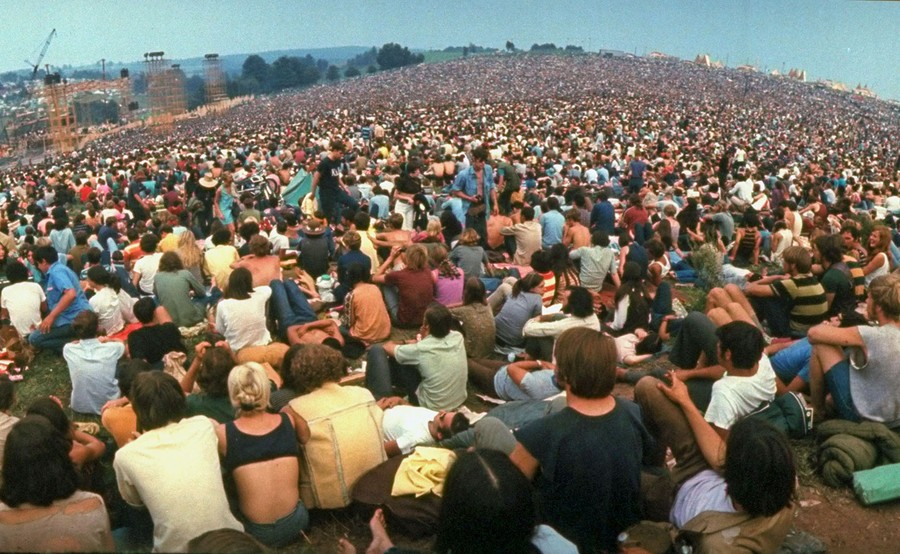
In July 1999, more than 200,000 concertgoers descended upon a former Air Force base in Rome, New York, expecting a three-day celebration of peace, music, and counterculture nostalgia. Instead, Woodstock 99 mutated into a dystopian disaster characterized by extreme heat, raw sewage overflow, gouged pricing, and catastrophic riots. While pop culture historians often remember the fires and looting, financial analysts see the festival through a different lens: an unfiltered economic barometer for the roaring nineties. The corporate greed, hyper-commercialization, and irrational exuberance that destroyed the festival mirror the exact speculative psychology that popped the dot-com bubble less than a year later.
Understanding this parallel requires looking past the surface-level mud and music. The festival's architecture was built on unchecked corporate exploitation disguised as youth culture, a dynamic that mirrored Wall Street's tech stock mania during the same calendar months. Promoters assumed that brand loyalty, surging consumer spending, and hype could replace basic operational infrastructure—an attitude that eventually crippled dot-com startups running on empty balance sheets and venture capital fumes.
The Infrastructure Failure of 1999
The original 1969 Woodstock festival became legendary for its communal spirit despite utter logistical collapse. Organizers of the 1999 revival, Michael Lang and John Scher, attempted to weaponize that nostalgic brand equity while stripping away its countercultural ethos. They moved the event onto Griffiss Air Force Base—a massive, treeless expanse of tarmac and concrete that absorbed and trapped summer heat. Temperatures regularly exceeded 100 degrees Fahrenheit, turning the venue into an oven.
Water scarcity became the immediate catalyst for disaster. While attendees faced extreme dehydration, organizers charged four dollars for a small bottle of water—roughly nine dollars adjusted for inflation. Meanwhile, free water fountains broke or overflowed into massive mud pits, forcing people to pay exorbitant rates just to stay hydrated.
When infrastructure breaks down under price gouging, consumer trust shatters. Corporations running the festival ignored basic human necessities to maximize profit margins, betting that attendees had limitless disposable cash. That exact miscalculation doomed hundreds of internet startups in 2000, which assumed customer acquisition could outpace basic unit economics.
Corporate Sponsorship and Hyper-Commercialism
Woodstock 99 was aggressively corporate. MTV broadcast the event live, and corporate logos plastered every stage, turning a music festival into an open-air trade show. Brands paid massive sums for exclusive vending rights, ensuring that independent food trucks were banned and captive audiences had no choice but to absorb inflated prices.
This environment reflected the broader macroeconomic landscape. By mid-1999, the NASDAQ was climbing vertical cliffs, driven by retail investors pouring life savings into internet stocks with zero revenue. Venture capitalists funded any company with a dot-com suffix, valuing hype over operational reality.
- The Hype Cycle: Promoters promised a utopian generational milestone; tech founders promised an unshakeable New Economy.
- The Reality Check: High ticket prices and gouged concessions alienated working-class attendees; overvalued tech stocks alienated investors once earnings reports arrived.
- The Fallout: Total property destruction at the festival; trillions in erased market capitalization during the tech correction.
Market commentators at the time frequently pointed to consumer spending as proof that the boom had no ceiling. Yet the violent backlash at the festival—where crowds tore down acoustic towers, looted vendor booths, and set bonfires fueled by corporate trailers—revealed a deep, simmering resentment against corporate overreach. Main Street was growing exhausted by relentless commercialization long before Wall Street admitted the equity valuations were detached from gravity.
The Psychology of Irrational Exuberance
Alan Greenspan famously coined the term "irrational exuberance" in late 1996, but the phrase applied most accurately to the summer of 1999. Participants in both the music industry and the tech markets believed normal rules of gravity no longer applied. Promoters thought they could pack 200,000 people onto a scorching airfield with inadequate sanitation because the brand was supposedly bulletproof. Day traders thought pets.com and Webvan could lose money indefinitely because eyeballs mattered more than profit.
When systems are built on pure extraction, they become fragile. The final night of Woodstock 99 featured a candlelight vigil organized to promote peace, which instead handed out candles to a furious, dehydrated crowd. Attendees used those candles to ignite bonfires, leading directly to widespread arson, looting, and sexual assaults that shocked the nation. The sudden, violent collapse mirrored the speed at which tech portfolios dissolved when institutional investors finally stopped buying.
Economic Parallels: From Festival Fiasco to Tech Crash
The timeline highlights how closely connected these cultural and financial cracks were. Woodstock 99 took place from July 23 to July 25, 1999. Exactly eight months later, in March 2000, the NASDAQ Composite peaked at 5,048 before beginning a brutal descent that wiped out nearly eighty percent of its value by October 2002.
Both events exposed the dangerous flaw of assuming that demand is infinite. Promoters assumed kids would pay any price for nostalgia; tech investors assumed consumers would adopt any internet service regardless of utility. When reality intervened—in the form of heat exhaustion at the airbase and quarterly losses on Wall Street—the correction was swift and unforgiving.
For deeper context on how market bubbles form during periods of rapid technological and cultural shift, you can explore historical analyses provided by The Federal Reserve History and the Library of Congress.
Frequently Asked Questions
Why did Woodstock 99 fail so badly compared to the original 1969 festival?
Unlike the rural, open-land setup of Bethel in 1969, the 1999 festival took place on an abandoned military base with miles of asphalt, minimal shade, and restricted water access. Combined with aggressive corporate price gouging and aggressive booking choices like aggressive nu-metal acts, the environment fostered hostility rather than community.
How much did tickets cost for Woodstock 99?
Advance three-day passes cost roughly $150 to $160, which translates to nearly $300 today. Once inside, attendees faced steep prices for food, drinks, and parking, pricing out many working-class fans.
Was the dot-com bubble crash directly connected to the festival?
While the festival didn't cause the financial crash, it served as a powerful cultural symptom of the era. Both phenomena shared an underlying foundation of unchecked greed, speculative hype, and a total disregard for sustainable foundations.
What happened to the organizers after Woodstock 99?
Michael Lang and John Scher faced immense public backlash and numerous lawsuits from injured attendees and local businesses. Despite the disaster, Lang attempted various anniversary revivals in later decades before passing away in 2022.



