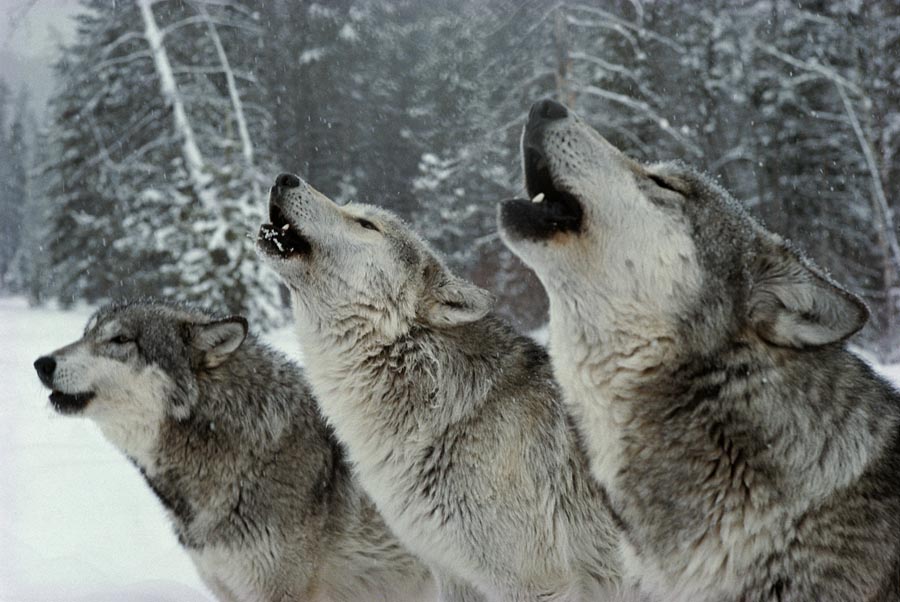
When The Life of Pablo dropped, "Wolves" stood out immediately as a haunting, atmospheric centerpiece. It isn't just a track about fame or luxury; it's a raw excavation of vulnerability, paranoia, and the desperate need to protect family from external chaos. The song captures Kanye West at a cultural crossroads, balancing massive public scrutiny with domestic anxiety.
To understand the core of "Wolves", we have to look past the minimal production and haunting vocals by Sia and Vic Mensa. The track functions as a modern-day fable where the external world is filled with predators, and the home is a fragile sanctuary. Let's break down the layers of emotion and symbolism that make this song one of Kanye's most compelling artistic statements.
The Sonic Architecture and Initial Mood
Before a single word is sung, the soundscape sets a heavy, isolating tone. The track opens with a warped, echoing loop that feels like a distress signal echoing through a dark forest. It's spacious, cold, and deliberately unsettling.
This sonic environment mirrors the emotional state of the lyrics. Kanye doesn't start the track with aggressive bravado. Instead, he drops listeners into a space of confusion and searching. The repetition of fragmented thoughts sets up an atmosphere where safety feels temporary and hard-won.
Dissecting the Central Metaphor: The Wolves and the Lambs
The title and central refrain rely on a heavy biblical juxtaposition: the innocent lamb versus the predatory pack. When Kanye sings about covering his children in lambs' wool because they are surrounded by wolves, he's translating his intense paranoia about fame into visceral imagery.
- The Pack: The wolves represent the media, opportunistic onlookers, and the cutthroat nature of the entertainment industry that constantly scrutinizes his family.
- The Lambs: His children, North and Saint, represent pure innocence trapped in the crossfire of his celebrity.
- The Threat: The danger isn't just professional failure; it's the corruption and emotional harm that the outside world can inflict on domestic peace.
This imagery highlights a recurring theme in Kanye's discography: the friction between public myth-making and private reality. He feels exposed, believing that external forces are waiting to tear down everything he's built.
Biblical Allusions and the Weight of Mary and Joseph
One of the most debated portions of the song invokes religious history to reframe everyday modern temptation and judgment. By asking what Mary was doing in the club before she met Joseph, Kanye is defending human flaw and past mistakes against rigid moral gatekeeping.
This reference serves a double purpose. First, it defends his wife's past against public judgment by equating her history with revered figures. Second, it reveals his own internal negotiations with faith. He's pleading for grace, acknowledging that everyone has a messy backstory before finding stability or redemption. It's a raw admission that perfection is an illusion, and love requires accepting a partner's past.
The Anxiety of Fame and the Icarus Parallel
Vic Mensa’s contribution on the track builds heavily on themes of hubris and the dangers of soaring too close to the sun. The modern celebrity lifecycle often mimics the Greek myth of Icarus—climbing to dizzying heights of adoration only for wings to melt under public scrutiny.
Kanye examines his own destructive impulses throughout the track, admitting that his unfiltered behavior often invites the very attacks he fears. The emotion here shifts from defensive anger to a weary self-awareness. He knows his ego provokes the pack, yet he struggles to restrain it.
Common Misinterpretations of the Track
Listeners often misread "Wolves" as a straightforward diss track or a generalized lament about industry betrayal. However, examining the structure reveals a much more intimate diary entry.
- It's not about revenge: Unlike tracks where Kanye actively attacks adversaries, "Wolves" is defensive. His focus remains entirely on shielding his immediate circle rather than striking back.
- It's not purely chaotic: Despite the messy rollout of The Life of Pablo where the song underwent multiple post-release revisions, the emotional core remains tightly focused on protection, fatherhood, and spiritual exhaustion.
Frequently Asked Questions
Who is featured on the original version of "Wolves"?
The track prominently features vocals by Sia and Vic Mensa, alongside production elements that evolved significantly through Kanye's famous post-release updates on streaming platforms.
What do the wolves symbolize in the song?
They symbolize the predatory nature of the media, fame vultures, and external forces that Kanye feels threaten his family's safety and privacy.
How does the song connect to Kanye's religious themes?
The track utilizes biblical parallels—such as referencing Mary and Joseph alongside concepts of sin and redemption—to contextualize human flaws and plead for divine or interpersonal grace.
Why did Kanye frequently update this song after release?
The Life of Pablo operated as a living document, and "Wolves" underwent several mix changes, structural shifts, and guest rearrangement adjustments to match Kanye's evolving vision for the album's narrative arc.



