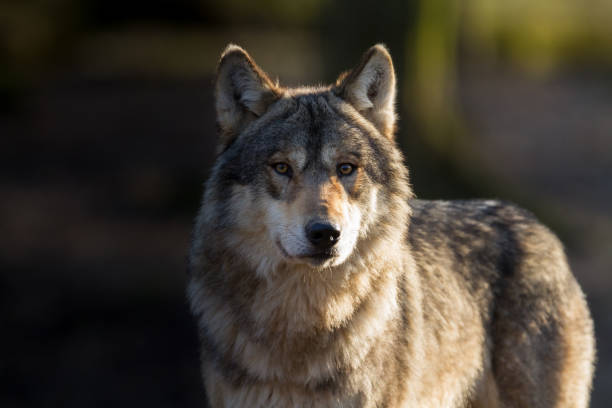
The image of a wolf leaning against a tree evokes a striking visual of raw wilderness, blending quiet reflection with untamed power. While artistic and mythic interpretations often frame this posture as a profound emblem of nature connection, the reality grounded in animal behavior reveals fascinating insights into how wolves interact with their forest environments.
Understanding why wild canids lean against objects, scent-mark, and navigate dense woodlands bridges the gap between romanticized wildlife symbolism and hard biological science. Let's examine what this imagery truly represents across culture, ecology, and conservation.
The Cultural Symbolism of Wolves in Forests
Throughout history, human societies have projected deep psychological archetypes onto wolves. When paired with ancient trees, the symbolism multiplies, drawing on themes of endurance, territorial sovereignty, and primal wisdom.
In many folklore traditions, the forest represents the unknown, while the wolf embodies the sharp, focused spirit required to survive it. A wolf standing motionless or resting its flank against a sturdy trunk communicates a sense of complete belonging. It's not an intruder in the woods; it's an integral pillar of the ecosystem.
This imagery resonates deeply in modern art and photography because it captures a rare moment of stillness in an otherwise relentless predator. It offers viewers a sense of grounded stability, reminding us of a time before industrial landscapes altered human interaction with the natural world.
Behavioral Reality: Scent Marking and Territory
While art highlights quiet contemplation, wildlife biology points to a much more practical explanation for how wolves position themselves against trees: scent marking and territorial communication.
Canids possess well-developed scent glands near their tails, paws, and facial areas. Rubbing against trees, boulders, or fallen logs allows wolves to deposit pheromones that signal their presence, reproductive status, and territorial boundaries to rival packs.
When a wolf presses its body or neck against a rough bark surface, it's often engaging in active scent-marking behavior rather than posing for a portrait. This tactile interaction helps maintain pack cohesion and deters intruders without requiring direct physical confrontation. According to studies by Yellowstone National Park Wolf Project researchers, scent-marking posts serve as vital communication hubs across vast home ranges that often exceed three hundred square miles.
Forest Ecology and Habitat Needs
Wolves rely heavily on complex forest structures for survival, shelter, and hunting success. Coniferous and deciduous woodlands provide crucial cover during harsh winter months, helping packs conserve core body heat and navigate deep snowpacks.
- Shelter and Windbreaks: Dense stands of old-growth timber block fierce winds and heavy snowfall, offering natural microclimates where wolves can rest safely.
- Stalking Cover: Understory vegetation, fallen timber, and tree lines allow apex predators to approach prey species like elk and deer undetected.
- Denning Sites: Pregnant females seek out root systems beneath large trees or upturned stumps to excavate secure dens for raising pups.
The loss of mature forest canopies directly impacts pack stability. When logging or fragmentation disrupts these habitats, wolves are forced to travel greater distances across open terrain, increasing stress and the likelihood of human-wildlife conflict.
Conservation Realities and Human-Wildlife Coexistence
Romanticizing wild predators in digital media often contrasts sharply with the challenges of actual conservation management. Wolf populations face ongoing pressures from habitat loss, vehicular mortality, and retaliatory livestock depredation.
Organizations like the U.S. Fish and Wildlife Service work continuously to monitor recovery zones and implement non-lethal deterrents—such as fladry lines and guard animals—to protect livestock while keeping packs intact. True appreciation for the majesty of wild wolves requires supporting science-based habitat corridors that allow these wide-ranging animals to move safely across public and private lands.
Frequently Asked Questions
Do wolves actually lean against trees to rest?
Yes, wolves occasionally lean against trees or rock faces while resting or observing their surroundings, though it is less common than lying flat on the ground. More frequently, rubbing against a tree serves a functional purpose related to scent-marking and territorial defense.
What do wolves use trees for in the wild?
Wolves primarily use trees for shelter from severe weather, raising pups in root systems beneath mature trunks, and leaving scent marks to establish territorial boundaries for other packs.
How large is a typical wolf territory?
Pack territories vary drastically depending on prey density, ranging from fifty square miles in productive habitats to over one thousand square miles in northern tundra regions during lean winters.
Why is the wolf and tree motif so popular in art?
The juxtaposition of a powerful predator against a steadfast, ancient tree creates a powerful visual metaphor for resilience, balance, and the enduring strength of wild ecosystems.



