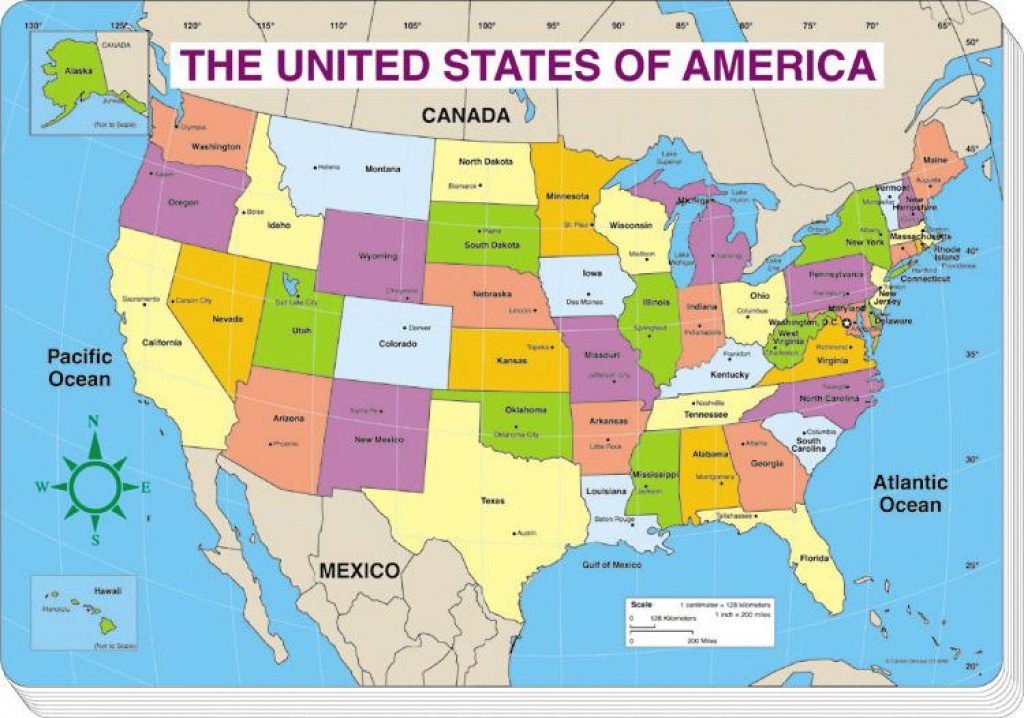
Understanding Wisconsin time requires looking past standard clock settings to see how the Central Time Zone dictates agricultural routines, business hours, and seasonal adjustments across America's dairy heartland. Unlike states split across multiple time boundaries, Wisconsin sits entirely within the Central Time Zone (UTC-6 standard, UTC-5 daylight), creating a unified scheduling framework from the shores of Lake Michigan to the forests of the Northwoods.
For travelers, remote workers, and logistics coordinators, knowing how Wisconsin operates on Central Standard Time (CST) and Central Daylight Time (CDT) prevents missed appointments and scheduling errors. This guide breaks down the exact mechanics of Wisconsin's timekeeping, seasonal transitions, historical context, and practical impacts on daily commerce and agriculture.
Wisconsin Time Zone Boundaries and Offset Details
Wisconsin observes Central Time across all 72 of its counties. This geographic consistency simplifies internal travel, shipping logistics, and statewide broadcasting compared to neighboring states like Michigan or Indiana, which experience internal time zone splits.
- Standard Time (CST): UTC-6, observed from the first Sunday in November until the second Sunday in March.
- Daylight Saving Time (CDT): UTC-5, observed from the second Sunday in March until the first Sunday in November.
- Comparison to Coordinated Universal Time: During winter months, Wisconsin is six hours behind Coordinated Universal Time (UTC-6). In summer, it shifts to five hours behind (UTC-5).
When compared against other major American time zones, Wisconsin sits two hours ahead of Pacific Time (California, Washington) and one hour behind Eastern Time (New York, Florida). For example, when it is 8:00 AM CST in Milwaukee, it is 6:00 AM PST in Los Angeles and 9:00 AM EST in New York.
Daylight Saving Time Transitions in Wisconsin
The biannual clock change alters daily schedules and daylight distribution across the state. Wisconsin experiences pronounced seasonal variations in daylight due to its northern latitude, making the spring forward and fall back transitions impactful for outdoor industries and schools.
Spring Forward (March)
On the second Sunday in March at 2:00 AM local time, clocks are pushed forward one hour to 3:00 AM CDT. This transition extends evening daylight into the late spring and summer months, pushing sunset past 8:30 PM in late June.
Fall Back (November)
On the first Sunday in November at 2:00 AM local time, clocks are turned back one hour to 1:00 AM CST. This returns the state to standard time, resulting in earlier sunsets—often before 4:30 PM in mid-December—and shifting daylight hours to the early morning.
According to the National Institute of Standards and Technology (NIST), official U.S. time zones and daylight rules are federally regulated by the Department of Transportation to maintain commercial and transport alignment.
Impact on Agriculture and Daily Commerce
Timekeeping in Wisconsin is deeply intertwined with its agricultural output, particularly the dairy industry. Wisconsin produces billions of pounds of milk annually, relying on precise twice-daily milking schedules that must remain consistent regardless of clock adjustments.
- Milking Operations: Dairy herds operate on biological rhythms. While automated milking systems and farm workers adjust their alarm clocks during seasonal time changes, cows require gradual schedule shifts over several days to prevent drops in milk production.
- Logistics and Milk Hauling: Milk tankers operate on tight pickup windows to deliver raw milk to processing plants before spoilage occurs. Transport companies coordinate dispatch times strictly according to Central Time to align with interstate distribution networks.
- Retail and Business Hours: Standard business hours across commercial hubs like Madison and Green Bay run from 8:00 AM to 5:00 PM CST/CDT. Financial institutions align with the Chicago Board of Trade and central banking hours, operating entirely on Central Time.
Frequently Asked Questions
Does any part of Wisconsin observe Eastern Time?
No. All 72 counties in Wisconsin operate within the Central Time Zone. Unlike neighboring Upper Michigan, which borders Wisconsin and observes Eastern Time in its eastern counties, Wisconsin's state borders are entirely contained within Central Time.
How does Wisconsin's time compare to London or GMT?
During standard time (winter), Wisconsin is 6 hours behind Greenwich Mean Time (GMT-6). During daylight saving time (summer), Wisconsin is 5 hours behind British Summer Time (UTC-5).
Why do clocks change in Wisconsin?
Wisconsin follows the federal Energy Policy Act of 2005, which mandates Daylight Saving Time across participating U.S. states to maximize evening daylight use during warmer months.
How do time changes affect local school districts?
School districts across Wisconsin adjust morning bus routes and start times around the November transition to ensure children do not wait for buses in pitch-dark conditions, balancing safety with daylight availability.



