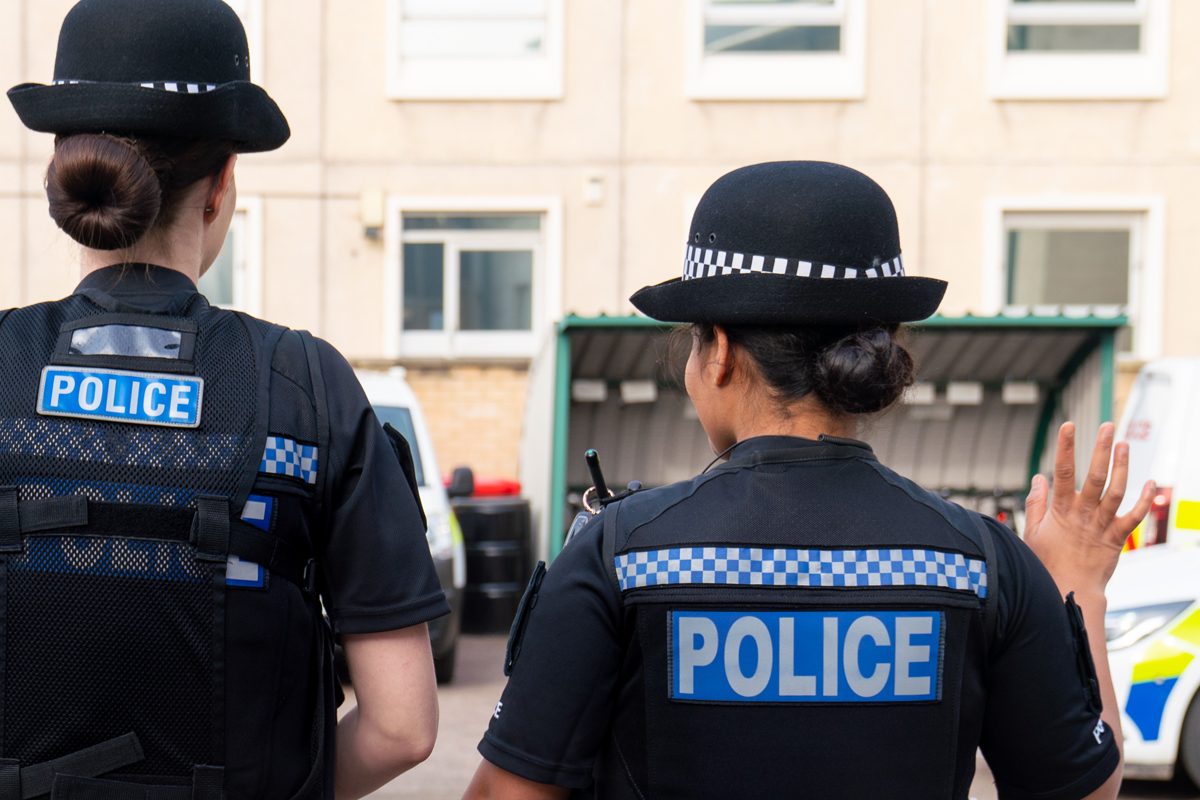
Winter weather completely alters the rhythm of a community, and law enforcement agencies face a radical shift in daily operations when temperatures plunge. Standard patrol tactics, response protocols, and community engagement strategies must adapt instantly to ice, snow, and extreme cold. Understanding how law enforcement handles these freezing months reveals the complex mechanics behind maintaining public safety during severe seasonal hazards.
When sub-zero temperatures and blizzards hit, police departments pivot from routine summer workflows to specialized crisis management. Roadways transform into high-risk corridors, property crime patterns shift due to seasonal migration or abandonment of commercial sites, and vulnerable populations face immediate life-safety threats. Officers must navigate frozen machinery, hazardous driving conditions, and an entirely different set of criminal behaviors that emerge only when the snow falls.
Adapting Patrol Tactics for Ice and Snow
Standard vehicle patrols become severely compromised when winter storms blanket a region. Crown Victorias, SUVs, and specialized interceptors require tactical modifications to maintain mobility across slick asphalt and unplowed secondary roads.
Agencies routinely transition standard fleets to heavy-duty winter tires, carrying specialized recovery gear such as tow straps, folding shovels, sand bags, and portable jump-starters in every trunk. In regions prone to heavy snowfall, departments deploy four-wheel-drive units and specialized all-terrain vehicles to reach areas cut off by drifts.
Patrol speeds drop significantly, shifting the focus from mobile surveillance to strategic positioning. Officers often monitor high-collision intersections or park at designated vantage points to manage traffic flow and deter reckless driving. This visibility acts as a deterrent against opportunistic crimes, but it also means response times can stretch during active whiteout conditions.
- Vehicle Preparation: Swapping standard treads for winter-rated compounds and inspecting auxiliary lighting systems for ice accumulation.
- Tactical Route Planning: Prioritizing main thoroughfares and critical infrastructure checks over quiet residential loops during active storms.
- Equipment Security: Storing electronics and medical supplies inside heated cabin compartments to prevent battery drain and screen freezing.
The Shift in Criminal Activity During Winter
Cold weather acts as a natural suppressant for certain types of street crime, but it simultaneously triggers a surge in other illegal activities. Violent crime rates frequently dip during severe cold snaps simply because fewer people spend time lingering outdoors or congregating in public spaces. However, property crime and domestic incidents undergo distinct transformations.
Property crimes often pivot toward opportunistic theft. Thieves target unoccupied vehicles left running unattended to warm up in residential driveways—a practice law enforcement actively combats through public awareness campaigns and citation programs. Furthermore, commercial burglaries shift as criminals exploit early nightfall and isolated industrial yards blanketed by fresh snow, which preserves footprints and tire tracks for forensic teams.
Domestic disturbances also rise during extended periods of severe winter confinement. When families are trapped indoors for days due to impassable roads, stress levels spike, leading to a higher volume of domestic violence calls dispatched to local precincts. Agencies must prepare dispatch centers for this predictable influx of indoor conflicts.
Managing Weather-Related Emergencies and Traffic Safety
Road safety consumes the vast majority of police resources during winter storms. A single multi-vehicle pileup on an icy highway ties up multiple patrol units, traffic collision investigators, and emergency medical services for hours.
Officers arriving at accident scenes must establish secure perimeters on slick ice where stopping distances multiply tenfold. Deploying flare patterns becomes more complex when high winds blow out flames or deep snow buries electronic LED flares. Coordinating with municipal public works departments for immediate sanding, salting, and snowplow escorts becomes a primary operational priority.
Beyond traffic collisions, freezing temperatures create severe life-safety crises for unhoused populations and stranded motorists. Police forces coordinate closely with municipal shelters and emergency management offices to enforce cold-weather welfare checks.
"When temperatures drop past the single digits, our priority shifts heavily toward human survival. Checking abandoned properties, parks, and isolated vehicles for vulnerable individuals sleeping rough takes precedence over routine traffic enforcement."
Community Partnerships and Public Safety Outreach
Winter public safety relies heavily on proactive communication between law enforcement and the civilian population. Police departments leverage local media, social channels, and community alert systems to push real-time travel advisories, parking bans for snow removal, and home security tips.
Building resilience against winter hazards requires a joint effort. Police partner with utility companies to report downed power lines caused by heavy ice loads, preventing secondary electrocution hazards before technicians arrive. They also educate business owners on clearing walkways to prevent slip-and-fall liability claims and emergency access blockages.
- Snow Emergency Parking: Enforcing strict towing policies on primary snow routes to allow plows unobstructed access.
- Home Security Audits: Advising residents on securing outdoor property, winterizing vacant vacation homes, and preventing frozen pipe disasters that trigger emergency water-flow alarms.
- Vulnerable Check-Ins: Establishing direct telephone hotlines for elderly residents living alone during extended power outages.
Frequently Asked Questions
How do police officers stay warm during extended outdoor shifts?
Officers rely on layered tactical clothing systems, including moisture-wicking base layers, windproof outer shells, and specialized insulated footwear designed for prolonged standing on frozen pavement. Patrol vehicles also serve as mobile warming stations, with rotating shift intervals to prevent frostbite and fatigue.
Are response times slower during winter storms?
Yes. Hazardous road conditions, reduced visibility, and a high volume of minor weather-related traffic accidents frequently delay police response times. Dispatchers prioritize calls based on immediate life-safety threats, meaning non-emergency property crimes may experience extended wait times during severe weather events.
What is the most common winter crime police encounter?
Vehicle theft involving unattended "puffers"—cars left running and unlocked in driveways to warm up—is the most common preventable crime police deal with during freezing winter months.
How do police handle stranded motorists in rural or isolated areas?
In rural jurisdictions, patrol units carry extra blankets, water, and emergency food supplies. Officers evaluate the medical condition of stranded drivers, arrange heavy-duty towing services, and transport vulnerable citizens to the nearest warming shelter if their vehicles cannot be immediately recovered.


