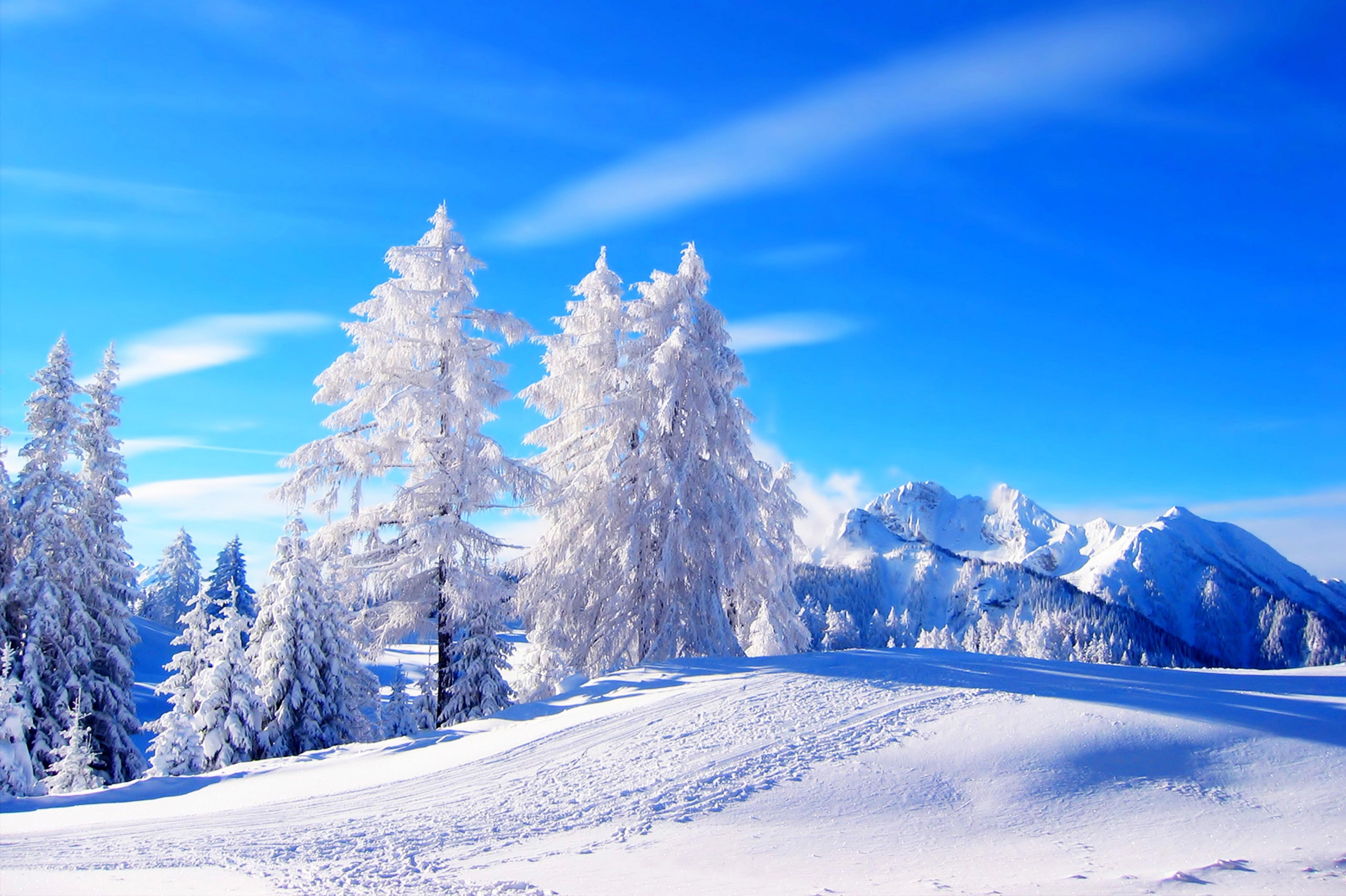
Winter in Madison, Wisconsin transforms the capital city into a vibrant cold-weather destination where frozen lakes, academic energy, and cultural festivals define the season. Built on an isthmus between Lake Mendota and Lake Monona, the city embraces freezing temperatures rather than hiding from them, offering a distinct alternative to standard urban winter trips.
If you're planning a cold-weather getaway, understanding how Madison's unique geography shapes its seasonal events will help you navigate the city efficiently. From outdoor ice recreation on natural lake sheets to indoor arts at the Overture Center, this guide breaks down everything you need to know about experiencing the Wisconsin capital when the snow falls.
Geography and Winter Infrastructure
Madison's location on a narrow strip of land between two major lakes creates microclimates and wind patterns that dictate how the city operates from November through March. The thermal mass of Lake Mendota and Lake Monona moderates extreme temperature drops slightly, but it also produces brisk lake winds that require proper cold-weather gear.
The municipal snow and ice control program manages over 1,100 miles of streets and 300 miles of sidewalks. When heavy snowfall hits, the street department deploys more than 150 pieces of equipment, prioritizing major transit corridors like the Beltline Highway and routes around the University of Wisconsin-Madison campus.
Navigating the city during a snowstorm requires preparation:
- Check real-time plowing updates via the City of Madison Street Division portal before driving.
- Use the city's extensive network of cleared multi-use paths for winter walking if driving conditions deteriorate.
- Dress in windproof layers because open lake crossings generate sharp chills.
Outdoor Recreation on Frozen Lakes
When winter temperatures remain consistently below freezing for weeks, Lake Mendota and Lake Monona form thick layers of ice that open up vast recreational spaces. Local safety protocols require ice to reach specific thickness benchmarks—typically at least four inches for walking and eight inches for light vehicles—before officials recommend public access.
Ice skating, cross-country skiing, and ice fishing form the backbone of Madison's outdoor culture. Parks like Tenney Park and Marshall Park serve as primary access points for skaters, while the Capital City State Trail and Southwest Path offer miles of groomed tracks for cross-country skiing and winter cycling.
Popular outdoor winter activities include:
- Ice Fishing: Anglers target perch, bluegill, and walleye on both major lakes, setting up temporary ice shanties as soon as safe ice forms.
- Cross-Country Skiing: The UW-Madison Arboretum and Olbrich Park feature scenic loops maintained for traditional and skate skiing.
- Ice Skating: Vilas Park pond provides lighted evening skating when weather permits, complete with warming shelters.
Cultural Programming and Indoor Escapes
When outdoor temperatures drop too low, Madison's dense cultural infrastructure provides shelter and rich programming. The academic calendar of the University of Wisconsin-Madison infuses the downtown district with lectures, student art showcases, and athletic events throughout the winter term.
The Overture Center for the Arts acts as the downtown anchor for performing arts, hosting touring Broadway productions, local orchestra performances, and dance troupes. For visual art and history, visitors explore the Chazen Museum of Art and the Wisconsin Historical Society Museum without facing outdoor crowds.
Essential indoor stops to add to your itinerary:
- Chazen Museum of Art: Features rotating modern and classical exhibits with free admission.
- Wisconsin State Capitol: Offers free guided tours highlighting the building's striking interior architecture and history.
- Overture Center: Check their calendar for seasonal holiday concerts and independent film screenings.
Dining and Seasonal Local Commerce
Madison's culinary scene adapts seamlessly to colder months. Many neighborhood restaurants and bistros update their menus with hearty Midwestern fare, featuring locally sourced cheeses, root vegetables, and craft brews from regional institutions like New Glarus Brewing Company.
While summer brings bustling farmers' markets outdoors to Capitol Square, winter moves the community indoors or shifts focus to cozy neighborhood supper clubs. Reservations are recommended for weekend dinners in the Williamson Street (Willy St.) and Monroe Street districts, where local dining spots lean into intimate, candlelit atmospheres.
Common mistakes visitors make during a Madison winter trip include underestimating lake wind chills, assuming all park trails are plowed immediately after a storm, and failing to book popular downtown restaurants ahead of weekend cultural events.
Frequently Asked Questions
When does the ice typically become safe for recreation on Madison lakes?
Safe ice usually forms between late December and mid-January, depending on the severity of the early winter freeze. Always check local ice reports from municipal parks departments before stepping onto the lakes.
Is public transportation reliable in Madison during heavy snow?
The Metro Transit system continues operating through snowstorms, though routes may experience minor delays. Major arterial streets receive priority plowing to keep buses moving on schedule.
What are the best neighborhoods for finding winter dining and shopping?
The Capitol Square area, State Street, and the Williamson Street corridor offer dense concentrations of restaurants, coffee shops, and independent boutiques that remain lively all winter.
Do I need a car to get around Madison in the winter?
Downtown Madison is highly walkable and compact, making it easy to navigate on foot or via public transit if you stay near the isthmus. A car is only necessary if you plan to explore outer county parks or regional trails.



