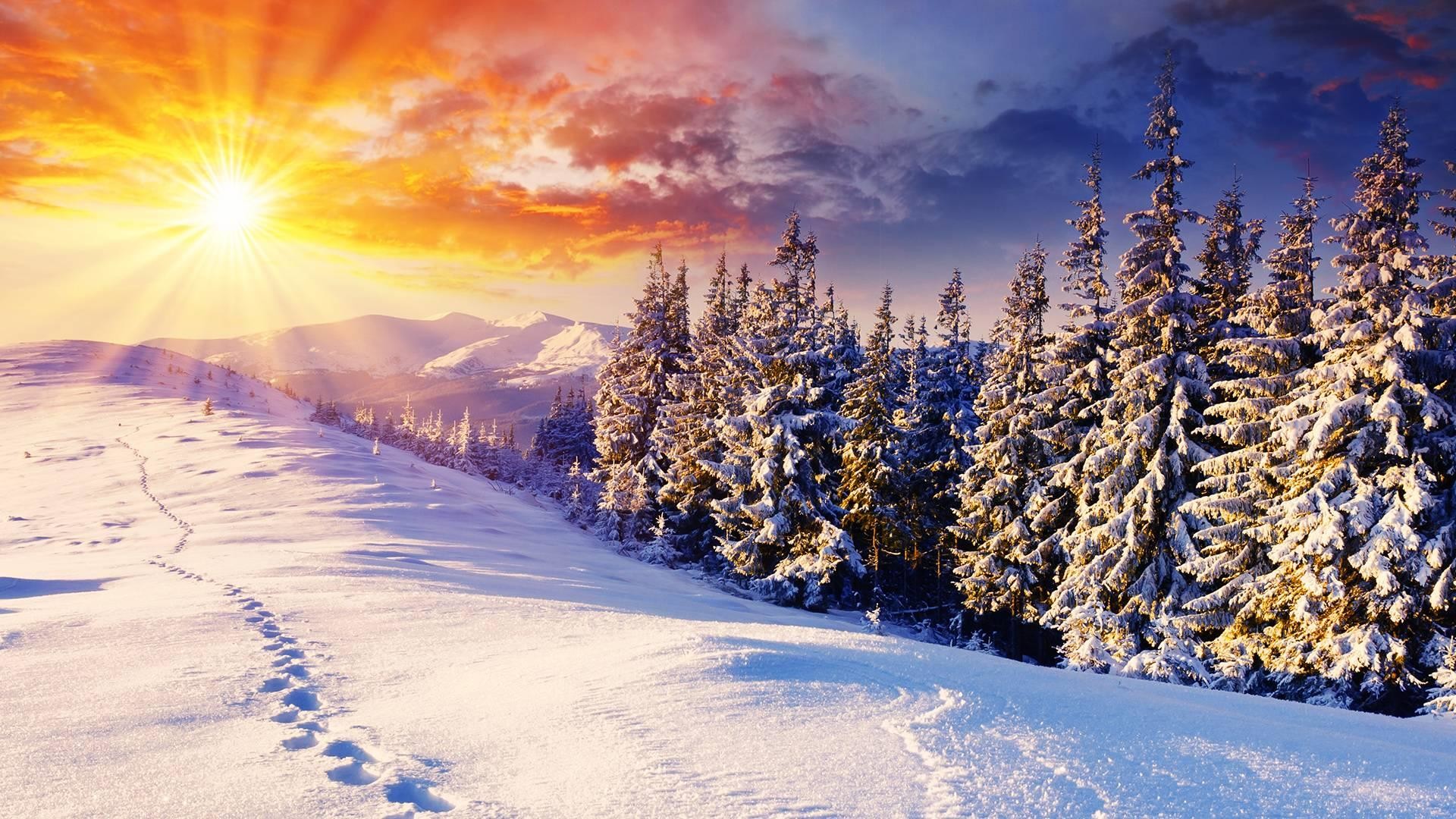
Winter in Argentina spans from June through August, turning the Southern Hemisphere into a landscape of snowy peaks, crisp city mornings, and quiet alpine valleys. Because the country stretches over 3,700 miles from north to south, winter doesn't look the same everywhere. You'll find freezing subpolar temperatures in Patagonia, mild cultural buzz in Buenos Aires, and warm, dry days in the northern desert provinces.
If you're planning a trip or trying to understand how seasonal shifts affect travel logistics, you need more than a generic date range. This guide breaks down what to expect across different regions and months so you can plan your itinerary without unpleasant surprises. For official tourism details and alerts, check the Argentina Tourism Portal.
Understanding Argentina's Winter Climate
Argentina's vast geography creates distinct climate zones that behave completely differently during the colder months. When people imagine winter in South America, they often picture uniform snow, but reality is far more varied.
- The Central Region & Buenos Aires: Winters are mild and rarely drop below freezing. Daytime highs hover around 15°C (59°F), making it an ideal time for walking tours, museums, and exploring urban neighborhoods without summer humidity.
- Patagonia & Tierra del Fuego: This is true alpine winter. Towns like Bariloche, El Calafate, and Ushuaia experience heavy snowfall, freezing winds, and sub-zero night temperatures. Many remote lodges close for the season, but ski hubs come alive.
- The Northwest (Salta & Jujuy): Winter is the dry season here. While nights get cold due to high altitude, daytime skies are reliably clear and sunny, making it peak season for exploring red rock canyons and mountain passes.
- The Northeast (Iguazu Falls): Subtropical winter brings relief from the intense summer heat and humidity. Rainfall drops, creating comfortable walking conditions and clear views of the cascades.
June: The Transition and Season Opening
June marks the official arrival of winter, bringing shorter days and the opening of the ski season in the Andes.
In Buenos Aires, the transition brings crisp air and golden autumn leaves clinging to the final weeks before true winter settles in. Cafes fill up, and outdoor dining shifts indoors. Tango houses and theaters operate at full capacity because local crowds return from summer holidays.
Out west, towns like San Carlos de Bariloche prepare for the snow sports rush. Ski lifts open toward the middle or end of the month, depending on snowfall. Meanwhile, in Patagonia's far south, cities like Ushuaia experience noticeably shorter daylight hours, with the sun setting around 5:00 PM. Wildlife enthusiasts head to Península Valdés as southern right whales begin arriving in the coastal waters.
July: Peak Cold and Ski High Season
July is statistically the coldest month of the year across most of Argentina. It's also the month of the national winter school holidays, meaning domestic travel peaks significantly.
If you're heading to mountain resorts like Chapelco or Cerro Catedral near Bariloche, expect lively slopes, bustling restaurants, and higher prices. Booking accommodation and equipment rentals well in advance is essential.
In the capital, July daytime temperatures average 10°C to 15°C (50°F to 59°F). You'll need a solid wool coat and layers, especially when the damp wind blows off the Río de la Plata. Up north in Salta, travelers enjoy brilliant blue skies and daytime temperatures near 21°C (70°F), though desert nights drop close to freezing. For deeper context on regional topography, look at geographic profiles via National Geographic Geography.
August: Late-Season Snow and Thawing Deserts
August maintains winter's grip in the south while offering the first subtle hints of approaching spring in the north.
Ski conditions in the Andes remain exceptional throughout August, often featuring the deepest snowpack of the year. Snowboarders and skiers favor this month because the initial July holiday rush subsides, leaving ski lifts slightly less congested during weekdays.
In central Argentina and the Cuyo wine region (like Mendoza), days begin to lengthen noticeably. Pruning season takes place in the vineyards, a vital agricultural ritual where winemakers shape vines for the upcoming cycle. Days are bright, clear, and cool, perfect for wine-tasting excursions without summer crowds.
Regional Breakdown: Where to Go and What to Avoid
Choosing where to travel during Argentina's winter depends entirely on your tolerance for cold and your vacation goals.
The Andean Ski Hubs
Bariloche, Las Leñas, and Chapelco transform into vibrant winter wonderlands. If you love winter sports, cozy mountain cabins, and artisanal chocolate, this is your prime destination. Don't expect to do extensive backcountry hiking, though, as trails are snow-covered and avalanche risks increase.
Southern Patagonia Challenges
Cities like El Calafate (gateway to the Perito Moreno Glacier) and Ushuaia operate on limited winter schedules. Many boat tours on the lakes cancel due to icy winds, and standard park facilities scale back operations. If you visit, focus on short day trips and verify that local transport runs regularly.
The Subtropical Escape
If you hate cold weather, bypass the south entirely and head north. Iguazu Falls features comfortable, lower-humidity days in winter, while the historical towns of the Lerma Valley offer warm sunshine and dry mountain air.
Common Mistakes to Avoid
Travelers often miscalculate how logistical realities shift during the Southern Hemisphere's cold months. Keep these pitfalls in mind:
- Underestimating Southern Distances: Argentina is massive. Assuming winter weather in Buenos Aires matches Patagonia will leave you severely underdressed.
- Ignoring Holiday Schedules: Argentine winter school breaks in July mean popular mountain resorts book out fast and charge peak rates.
- Assuming All of Patagonia is Open: Many hotels, rental car agencies, and campsites in southern national parks close completely between June and September. Always confirm operational dates before booking flights.
- Forgetting Sun Protection at Altitude: Snow reflects UV rays intensely. Skipping sunglasses and sunscreen in ski regions leads to severe sunburns even on freezing days.
Frequently Asked Questions
Does it snow in Buenos Aires during winter?
No. Snowfall in Buenos Aires is an extreme anomaly. While winter mornings are chilly and damp, temperatures rarely reach freezing, so precipitation falls as cold rain rather than snow.
What should I pack for an Argentine winter trip?
Pack in layers. If your itinerary includes both Buenos Aires and Patagonia, you need a lightweight jacket for the cities and heavy thermal gear, waterproof boots, windbreakers, and fleece layers for the south.
Is southern Patagonia worth visiting in July?
Generally no, unless you have a specific reason like photography or solitude. Many trails close, daylight is very short, and ferry services run on restricted schedules.
When does the ski season officially end?
Most major ski resorts aim to stay open through September, provided natural snowfall holds up, but August is typically the sweet spot for reliable snow quality and manageable crowds.


