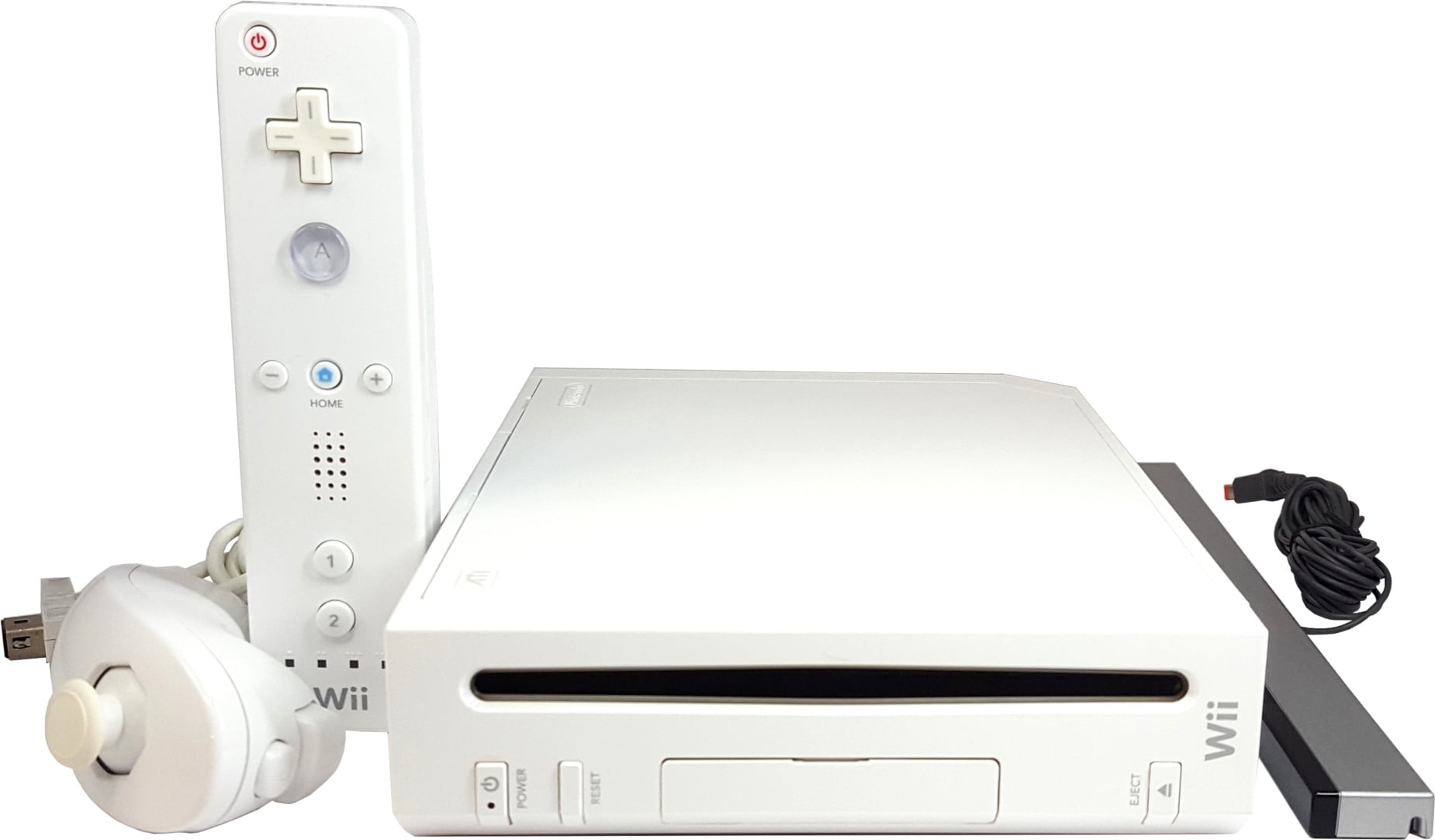
When evaluating the heavyweights of Nintendo's hardware catalog, two revolutionary systems stand apart from the rest: the Nintendo Wii and the Nintendo Switch. Both consoles arrived during periods of intense corporate vulnerability and redefined what interactive entertainment could achieve. While the Wii relied on motion controls to capture a global casual audience in 2006, the Switch perfected hybrid hardware flexibility over a decade later. Comparing these two titans reveals how changing consumer habits, hardware philosophies, and software strategies shaped modern gaming.
The Nintendo Wii vs Switch debate ultimately centers on two distinct eras of disruptive engineering. The Wii finished its official lifetime run with approximately 101.63 million units sold, breaking traditional demographic boundaries by bringing grandparents, toddlers, and casual players into living rooms worldwide. Meanwhile, the Nintendo Switch crossed over 155 million units sold, merging home console power with handheld convenience. Both devices changed the trajectory of the industry, but they approached market dominance through entirely different mechanisms.
Sales Performance and Market Trajectories
Raw commercial figures tell a compelling story about consumer adoption rates and platform longevity. The Wii launched in late 2006 facing heavy skepticism from industry analysts who favored the high-definition horsepower of Microsoft and Sony's competing seventh-generation machines. Instead of competing on raw graphics, Nintendo targeted an untapped blue ocean market. The strategy worked immediately. Stores faced severe inventory shortages for years, and the console ultimately cleared 101.63 million units before production wound down. However, the Wii experienced a sharp sales decline in its final years, setting up the commercial struggles of its successor, the Wii U.
The Nintendo Switch adopted a much steadier, prolonged trajectory after its March 2017 debut. By fusing a home console experience with a portable tablet format, the system appealed to commuters, families, and traditional gamers alike. This design eliminated the traditional drop-off seen when players left their living rooms. Supported by long-tail software hits like Mario Kart 8 Deluxe, the Switch maintained high demand across multiple hardware iterations, including the handheld-only Switch Lite and the vibrant OLED model.
Technological Innovation and Hardware Design
Hardware innovation defines both platforms, though their engineering goals differed significantly. The Wii introduced the infrared sensor bar and motion-sensing controllers, transforming physical gestures into on-screen actions. This shift made games like Wii Sports accessible to anyone who could swing a tennis racket. Yet, this intense focus on novelty came with hardware limitations. The Wii lacked high-definition output at launch—supporting only standard definition 480p—which hampered third-party developer support as the industry shifted rapidly toward high-definition graphics.
The Switch solved a fundamental structural problem that plagued previous generations: the division between home console development and portable development. Historically, Nintendo split its internal software studios between home hardware (like the Nintendo 64 or GameCube) and handheld hardware (like the Game Boy or 3DS). The hybrid architecture of the Switch unified these development teams under a single roof. Whenever a major studio finished a project, it fed directly into one unified ecosystem. Detachable Joy-Con controllers provided a nod to Wii-style motion inputs and local multiplayer, while the capacitive touch screen ensured modern mobile standards were met.
Cultural Impact and Demographic Reach
Cultural footprint remains one of the most significant metrics for measuring a console's legacy. Upon release, the Wii became a genuine pop-culture phenomenon. Retirement homes, hospitals, and late-night television shows adopted the system. Bowling leagues used Wii Sports for physical therapy and social recreation. It stripped away complex controller layouts, replacing dozens of buttons with a simple pointer and accelerometer. For a brief window in the late 2000s, owning a Wii transcended traditional gamer stereotypes.
The Switch carved out a different kind of cultural permanence, embedding itself into daily modern routines. Its portability turned airplanes, coffee shops, and public transit into shared gaming spaces. During periods of global isolation in the early 2020s, titles like Animal Crossing: New Horizons served as digital sanctuaries where friends could gather safely. Furthermore, the Switch revitalized the independent game developer ecosystem. Portable indie titles found a massive, enthusiastic audience, turning the console into the definitive platform for modern independent releases.
Common Pitfalls in Console Comparisons
Analyzing these two systems often leads to recurring analytical errors among hardware enthusiasts. Avoid these common mistakes when evaluating their success:
- Ignoring software attach rates: Comparing raw hardware numbers without examining software sales misses the full picture. The Switch maintained an exceptionally high software attach rate because players utilized the portable format to build extensive digital libraries.
- Treating motion controls as a gimmick: Dismissing the Wii remote as a passing fad ignores how it permanently influenced mobile gaming interfaces, virtual reality controllers, and accessibility standards across the entire industry.
- Overlooking economic context: The Wii launched at a lower price point during an economic boom, while the Switch arrived during a shifting market where mobile gaming dominated casual attention. Price positioning heavily influenced their initial velocity.
Frequently Asked Questions
Which console sold more units overall?
The Nintendo Switch holds the higher lifetime sales total. While the Wii achieved an impressive 101.63 million units, the Switch surpassed 155 million units, making it one of the best-selling gaming platforms in history.
Why did the Wii experience a steep sales drop near the end of its life?
The Wii suffered from a lack of strong third-party software support, an aging standard-definition graphics engine, and consumer confusion regarding its successor, the Wii U, which many casual buyers mistook for a simple tablet accessory.
How did the Switch unify Nintendo's software strategy?
Before the Switch, Nintendo maintained separate divisions for handhelds and home consoles. The hybrid architecture allowed Nintendo to funnel all first-party development resources into a single console, eliminating software droughts between hardware generations.
Are Wii motion controls compatible with the Switch?
No. The Switch uses modern Joy-Con controllers equipped with internal gyroscopes and high-definition rumble, whereas the Wii relied on infrared sensor bars and separate Wii Remote hardware architectures.



