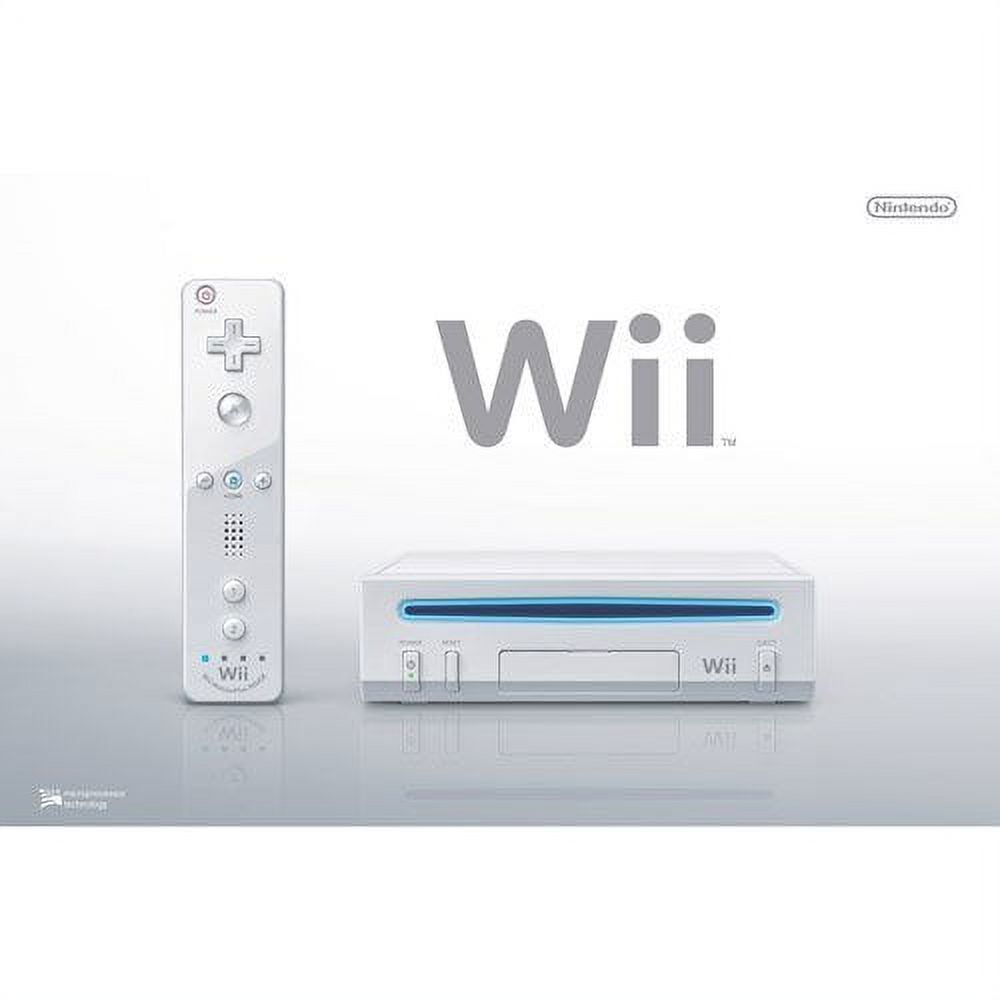
When Nintendo bundled an unassuming white box containing a remote and nine compact minigames into stores back in 2006, nobody expected it to quietly outsell almost every traditional blockbuster on the market. Wii Play wasn't built as a sprawling epic with complex lore. Instead, it served as an interactive instruction manual that accidentally redefined how families, roommates, and casual players interacted with digital entertainment. By stripping away intimidating button layouts and replacing them with intuitive physical motions, the software turned living rooms into social hubs long before modern party games dominated streaming platforms.
At its core, the software bridged a massive demographic gap that traditional consoles often ignored. Parents who had never touched a controller suddenly found themselves competing in virtual fishing or laser hockey, while grandparents laughed through rounds of target practice. This shift proved that casual gaming didn't need high-end graphical fidelity to capture an audience; it just needed immediate accessibility and a shared physical space.
The Hardware Bundle Strategy That Changed Everything
Part of the reason the software achieved historic sales numbers comes down to a brilliant retail packaging decision. Nintendo packaged the game disc alongside an extra Wii Remote for a price that made buying a second controller a no-brainer. Players essentially received a hardware accessory with a software bonus attached, prompting millions of households to pick up a copy simply to enable multiplayer sessions of Wii Sports.
Yet, once the disc spun up in the console, players discovered that the nine included minigames offered more than simple novelty. Each activity was engineered to highlight a specific capability of the controller's infrared pointer, tilt sensors, or motion tracking.
- Shooting Range: Utilized the precise point-and-click infrared sensor, echoing classic arcade light-gun shooters.
- Billiards: Demanded subtle rotation and force control, mimicking the tactile feel of a cue stick.
- Tanks!: Offered surprising tactical depth using the directional pad and pointer for grid-based combat.
Designing for Universal Accessibility
Traditional video games often erect invisible walls for non-players through complex control schemes. Mastering a modern controller requires coordinating dual thumbsticks, shoulder bumpers, and face buttons simultaneously. Wii Play bypassed this barrier entirely by anchoring interactions to natural human movements. Pointing at a screen feels innate; swinging a virtual paddle mimics reality.
This design philosophy created a welcoming environment where failure didn't feel punishing. When a player missed a target in the shooting gallery or botched a shot in table tennis, the exaggerated animations of the on-screen Mii avatars turned mistakes into comedic moments. Laughter replaced frustration, establishing a relaxed atmosphere that encouraged hesitant players to keep holding the controller.
The Role of Mii Avatars in Social Bonding
Personalization played a massive role in maintaining player engagement. By integrating custom Mii characters—digital caricatures created by users—the software gave participants a personal stake in every match. Seeing your own face, or the face of a family member, wobble across the screen created an immediate emotional hook.
This customisation fostered a unique brand of social connection. Players weren't just competing against anonymous computer opponents; they were competing against caricatures of their siblings, parents, or partners. High scores earned across the various minigames became household bragging rights, extending the replay value far beyond the initial novelty of the hardware.
Hidden Depth Beneath the Surface
While critics at launch often dismissed the collection as a glorified tech demo, certain modes revealed unexpected staying power. The Tanks! minigame, in particular, gained a cult following among players who mastered its intricate ricochet mechanics and enemy tank variations across dozens of increasingly difficult stages.
Similarly, the fishing and laser hockey modes provided reliable multiplayer loops that kept groups entertained for hours. It proved that simple rulesets don't automatically preclude strategic depth. When executed cleanly, minimalist design allows players to focus entirely on timing, reflexes, and outsmarting their opponents.
Common Misconceptions About Motion-Based Party Games
Many modern critics look back at the era of motion controls as a brief, gimmicky fad that yielded little substance. However, categorizing these experiences purely as shallow novelties misses their structural impact on game design.
- The "Gimmick" Fallacy: Critics often assume motion tracking was imprecise; however, titles like this demonstrated that simple mechanics executed with low-latency hardware could engage demographics traditional genres failed to reach.
- The Longevity Myth: While individual minigames were short, the aggregate multiplayer loop created repeatable social value that outlasted many single-player campaigns.
- Accessibility vs. Dumbed-Down Design: Simplifying controls didn't remove skill expression; it merely shifted the focus from button memory to spatial awareness and physical timing.
Frequently Asked Questions
Why did Wii Play achieve such massive sales numbers?
The primary driver was the hardware bundling strategy. Because the package included an extra controller for a minor price increase over buying a standalone remote, millions of console owners purchased it out of economic necessity.
How many minigames are included in the package?
The title features exactly nine distinct minigames, ranging from fishing and laser hockey to a classic-style shooting gallery and tank combat.
Can you play the software in multiplayer mode?
Yes. Almost every minigame supports competitive local multiplayer, allowing two players to take turns or compete side-by-side to earn medals and high scores.
Did the software require any special accessories?
No special accessories were required beyond the standard controller included in the box, making it immediately playable without purchasing extra add-ons.



