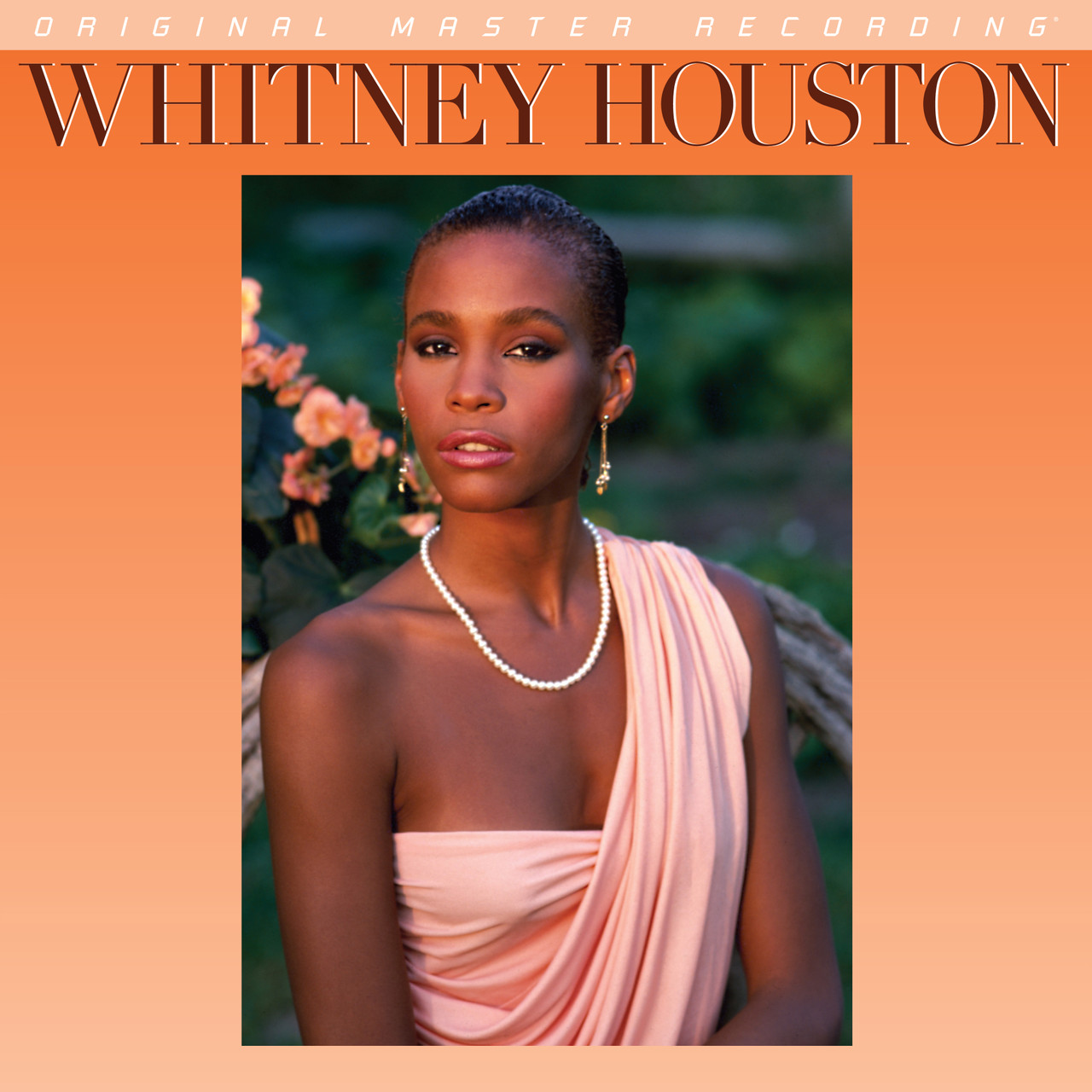
When Whitney Houston stepped up to deliver "One Moment in Time", she didn't just record a promotional track for the Seoul Olympic Games. She codified the modern sports anthem. Released in the fall of 1988, the track blended gospel discipline, secular pop grandeur, and an unyielding vocal architecture that few singers in history could safely navigate. Behind its soaring brass and chest-thumping percussion lies a meticulous songwriting process, an ambitious production strategy, and a cultural resonance that still defines peak achievement in athletics and music today.
Written by Albert Hammond and John Bettis, the song was originally conceptualized with a very different legendary voice in mind. Hammond later revealed he pictured Elvis Presley tackling the soaring melody, though Presley had passed away before the composition found its true home. When Arista Records paired the composition with Houston, the track transformed from a standard inspirational tune into an Olympic powerhouse. It peaked at number five on the Billboard Hot 100, captured the top spot on the UK Singles Chart, and earned a Sports Emmy Award for its role in NBC's broadcast coverage.
The Compositional Anatomy: Building a Musical Monument
To understand why the track endures, look at its harmonic structure. Written primarily in C major before executing a dramatic modulation to C-sharp after the bridge, the song operates at a steady, deliberate 80 beats per minute. That mid-tempo ballad pacing is crucial. It gives the rhythm section enough gravity to support a heavy, motivational message without dragging.
The lyrics focus on carpe diem philosophy—the intense psychological weight of waiting for a single second where lifetime preparation meets opportunity. Bettis and Hammond crafted lines that avoided overly specific athletic jargon, making the words universal. Whether an individual is running a marathon, stepping onto a stage, or facing a personal hurdle, the text translates that nervous panic into triumph.
Vocal Range and Technical Demands
Houston's vocal performance spans from a grounded G3 to a towering F5. The arrangement forces the vocalist to bridge different registers seamlessly:
- The Verses: Delivered with a controlled, reflective lower register that establishes intimacy and vulnerability.
- The Pre-Chorus: A gradual climb in tension, utilizing chest voice to build momentum without wasting dynamic range too early.
- The Climax: A wide-open belt that stretches the human instrument to its limits, backed by swelling orchestral arrangements and heavy brass.
According to historical production breakdowns, producer Narada Michael Walden wanted the track to feel like a coronation. Every instrument, from the marching snare hits to the triumphant trumpet flourishes, acts as a sonic stair-step, forcing the listener upward toward Houston's final notes.
Cultural Impact and the Olympic Connection
Before 1988, Olympic theme songs were largely instrumental or localized novelty recordings. The Seoul Olympics organizers wanted something that would resonate globally across television screens. By tying the release to a dedicated compilation album—One Moment in Time: 1988 Summer Olympics Album—Arista created a blueprint for modern sports broadcasting marketing.
The song's footprint expanded far beyond the closing ceremonies. It became a fixture of motivational sports montages, graduation ceremonies, and talent competitions worldwide. Its enduring legacy lies in how it captured a specific era of television history, when broadcasters shifted toward human-interest storytelling, focusing intensely on the emotional toll of athletic dedication.
When Houston performed the track live at the 31st Annual Grammy Awards in February 1989, she cemented the song's legendary status. Standing center stage in a sharp suit, she executed the vocal runs with terrifying precision, leaving the audience in stunned silence before breaking into applause. That live rendition remains a benchmark for vocalists attempting to blend technical acrobatics with raw emotional delivery.
Common Misconceptions About the Track
Listeners often assume the song was written specifically for Whitney Houston from day one. In reality, the song existed as a demo seeking the right vehicle. Hammond's initial vision for Presley highlights how flexible the anthem's bones were, but it required Houston's gospel-trained phrasing to unlock its full narrative potential. Another common myth is that it hit number one on the US charts; while it dominated adult contemporary and international markets, its peak position on the Hot 100 reached number five, proving that cultural permanence often outweighs chart peak positions.
To explore more about her catalog and historical milestones, you can visit the Official Whitney Houston Website. Additional archival context regarding its chart performance is available through Billboard.
Frequently Asked Questions
Who wrote "One Moment in Time"?
The song was written by veteran songwriters Albert Hammond and John Bettis. Hammond is also known for co-writing hits like "Nothing's Gonna Stop Us Now," while Bettis penned numerous classics for the Carpenters.
Did Whitney Houston win a Grammy for this song?
The recording earned Houston a Grammy Award nomination for Best Female Pop Vocal Performance at the 1989 ceremony, though the award ultimately went to Tracy Chapman for "Fast Car". However, Houston, the songwriters, and the producer shared in the subsequent Sports Emmy recognition for its television broadcast impact.
What key is the song written in?
The track primarily resides in the key of C major before executing a dramatic key change to C-sharp following the bridge.
Why is it considered an unusual Olympic anthem?
Unlike traditional orchestral fanfare, it is one of the very few vocal-driven power ballads to achieve mainstream commercial chart success during an Olympic cycle, holding a rare position on the Billboard Hot 100 for an event-specific theme.



