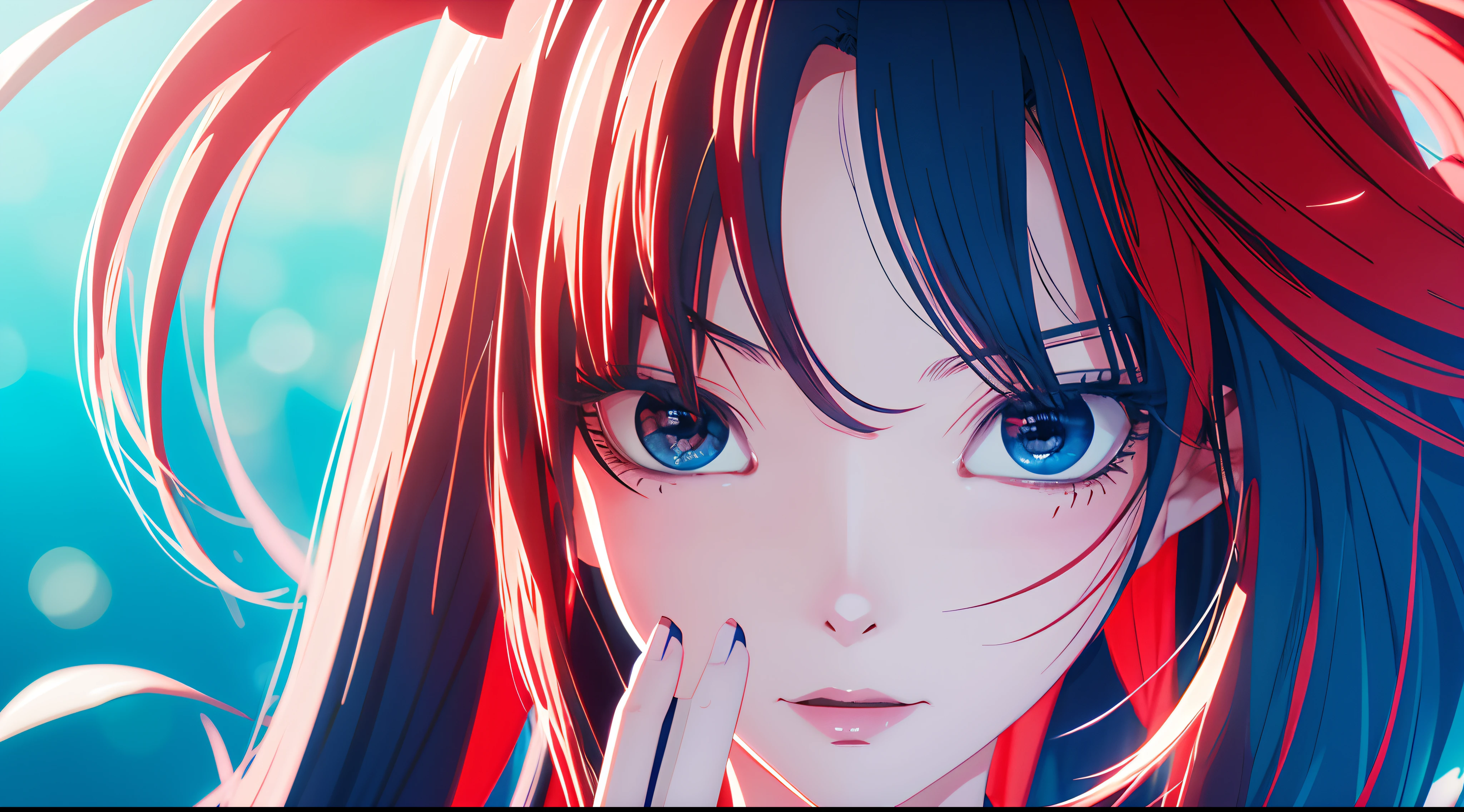
White hair in anime is never an accidental stylistic choice. While real-world pale or silver locks usually signal advanced age, drawn characters sport snowy strands to instantly communicate power, isolation, or moral ambiguity. Creators rely on this stark visual cue so viewers understand a figure's role before they even speak.
Understanding why this design choice persists requires looking past simple aesthetics. From ancient folklore roots to modern character psychology, pale manes serve specific storytelling functions across action, fantasy, and drama series.
The Historical and Cultural Roots of Pale Hair
Long before modern animation studios existed, Japanese folklore and traditional theater used stark visual contrasts to separate ordinary humans from spirits, gods, and demons. Kami and yurei often possessed unnatural features that set them apart from community norms.
When modern manga artists like Osamu Tezuka began shaping the visual language of the medium, they borrowed these shorthand techniques. Pale or silver strands signaled an immediate break from mundane reality. Because black hair dominated the Japanese population, giving a character light hair made them pop against both backgrounds and their peers. This contrast established a focal point, drawing viewer eyes directly to the most important person in the frame. Further coverage on this trend has been shared by BBC.
Core Psychological Tropes Associated with Light Hair
Character designers map specific personality traits to physical appearances. When you spot a pale-haired figure, certain narrative patterns usually follow.
The Overpowered Prodigy or Mentor
Many powerful fighters or instructors sport silver locks to suggest a lifetime of intense combat, hidden burdens, or anomalous origin. Think of characters like Satoru Gojo from Jujutsu Kaisen or Kakashi Hatake. Their hair color implies they operate on a different plane than standard warriors. It bridges the gap between youthful energy and ancient wisdom, showing they possess knowledge ordinary people lack.
Moral Ambiguity and the Anti-Hero
White or silver hair frequently flags characters who walk the line between hero and villain. They often possess cold logic, a tragic past, or methods that cross ethical boundaries. Because the color lacks the raw warmth of brown or the fiery passion of red, it evokes sterility, detachment, and emotional control. Viewers instantly realize these individuals aren't bound by conventional rules.
Corruption and Fallen Purity
In many fantasy narratives, pale shades represent untainted purity that has been inverted or corrupted. A striking example is Griffith from Berserk, whose angelic white hair contrasts sharply with his deeply manipulative nature and eventual descent. The visual irony makes their betrayal or moral fall hit harder because viewers initially associate the color with grace and nobility.
How Color Theory Shapes Audience Perception
Human brains process color through deep-seated evolutionary associations. White links to snow, clouds, ghosts, bones, and winter. Translating these associations to character design creates distinct emotional responses:
- Isolation: A pale head stands out in a crowd, symbolizing how the individual is emotionally or socially cut off from others.
- Cold Intelligence: Unlike warm tones that suggest empathy, white and silver read as clinical, calculating, and detached.
- Supernatural Origin: Non-human entities, mutants, or dimensional travelers often receive this coloration to highlight their separation from normal biology.
Animators also use lighting tricks with white hair. Because pale strands reflect ambient light sources easily, directors can dramatically shift a character's mood during a scene simply by changing the shadow color—tinting their hair blue in moonlight or red in the heat of battle.
Common Mistakes in Analyzing Anime Hair Color
Fans and analysts sometimes misinterpret why characters are drawn with specific palettes. Avoiding these errors leads to a sharper read of media:
- Assuming every white-haired character is elderly: Unlike Western media where white hair strictly denotes old age, anime uses it as a fantasy palette where age is completely decoupled from pigmentation.
- Ignoring studio lighting contexts: A character might appear to have white hair in promotional art, but in-show lighting or specific color grading might actually designate silver, pale blue, or platinum blonde.
- Treating tropes as rigid rules: While shortcuts exist, great writers frequently subvert expectations by making a gentle, warm-hearted protagonist wear stark white hair, playing against the viewer's initial bias.
Frequently Asked Questions
Why do so many anime protagonists have white or silver hair?
It helps them stand out visually from supporting casts and often hints at a hidden power, unique heritage, or tragic backstory that drives the plot forward.
Is white hair in anime always linked to being a villain?
Not at all. While classic antagonists often feature pale hair to show cold detachment, many beloved heroes and anti-heroes use the exact same aesthetic to signal elite strength and independence.
What is the difference between white hair and silver hair in character design?
In practice, studios use them interchangeably. Pure white often emphasizes supernatural or divine traits, while metallic silver frequently denotes high-tech origins, stealth, or hardened combat experience.
Does hair color change in anime have a deeper meaning?
Yes. When a character's hair turns white mid-series—often called "stress bleaching" or tied to awakening a power—it usually symbolizes trauma, a loss of innocence, or the sudden unlocking of a higher tier of ability.



