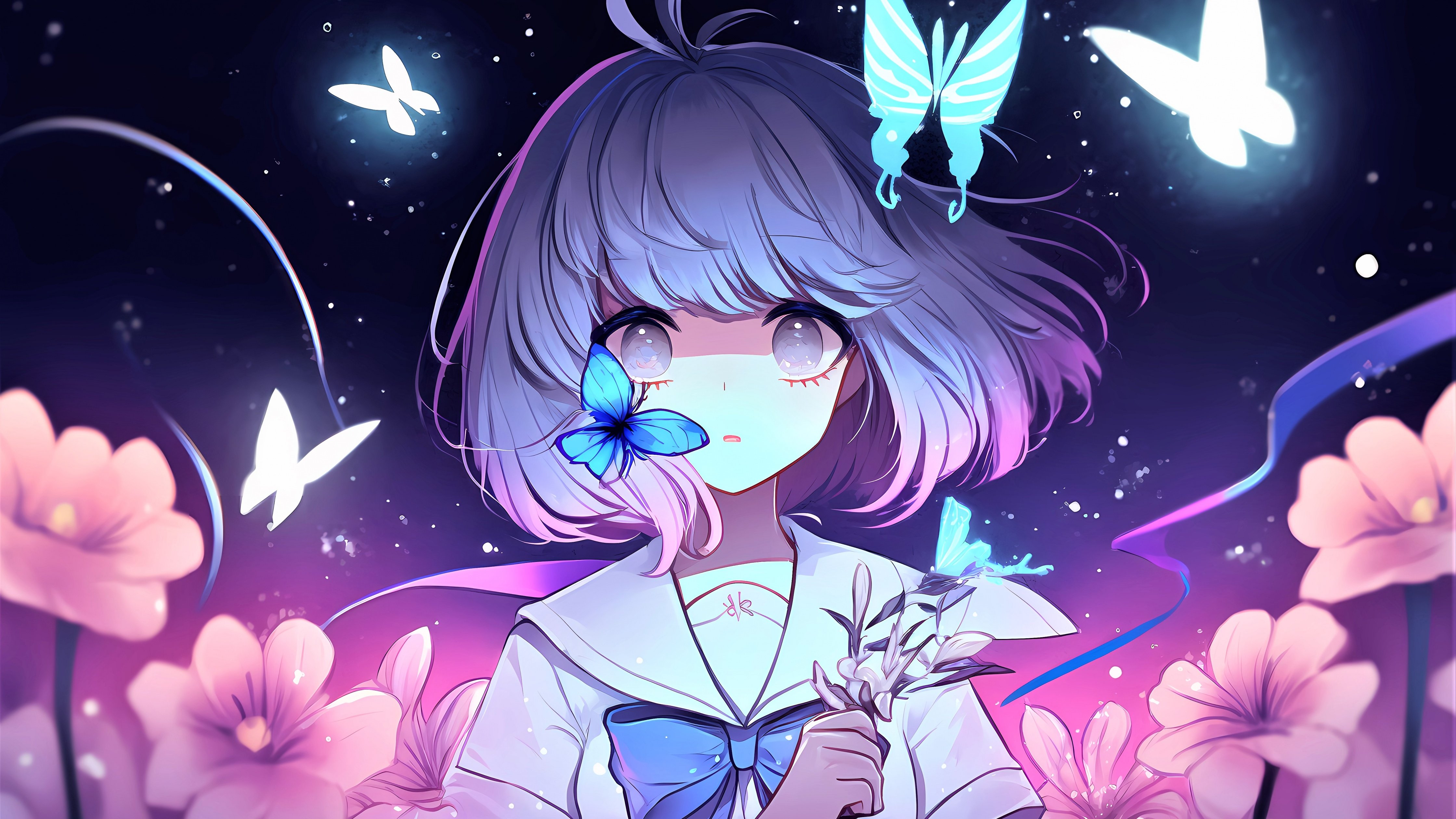
The white hair blue eyes anime girl stands as one of the most recognizable and striking visual motifs in modern animation and illustration. When viewers spot a character with pale or snow-white locks paired with vivid azure or sapphire eyes, they instantly anticipate certain personality traits—often an aura of mystery, otherworldly power, or emotional detachment. This distinctive design choice is far more than a random stylistic whim; it reflects a deep convergence of Japanese aesthetic traditions, global design principles, and character psychology.
Character designers rely on high-contrast palettes to make protagonists or mysterious deuteragonists instantly pop off the screen. White and blue create an icy, luminous color scheme that draws the eye immediately, setting these characters apart in crowded ensemble casts. Understanding why this trope resonates requires looking at its artistic roots, the psychological cues it triggers in viewers, and how modern creators continue to reinvent it.
The Visual Mechanics of High-Contrast Character Design
Human eyes naturally gravitate toward high contrast. In traditional illustration, pairing light hair with deep or vibrant eyes creates an immediate focal point on a character's face.
- Color Theory Balance: White hair acts as a neutral canvas, reflecting light and softening facial silhouettes, while saturated blue eyes provide a sharp anchor for emotional expression.
- Silhouette Recognition: Long before details like clothing or weapons register, a stark white silhouette communicates a distinct presence.
- Lighting Adaptability: Pale hair reacts dramatically to colored lighting cues in anime production, shifting from pure silver under harsh daylight to cool lavender or moonlight blue during dramatic night sequences.
Animators use these visual cues to signal a departure from ordinary reality. While brown and black hair dominate everyday cast members to ground them in a relatable reality, stark silver or white hair instantly signals that a character exists outside standard social norms.
Cultural Roots and Evolution in Manga
The aesthetic lineage of light-haired anime characters traces back through decades of manga history. While early twentieth-century animation drew heavy inspiration from Western cartoons—where simplified shapes and distinct hair colors helped viewers track characters on low-resolution screens—Japanese artists adapted these conventions to evoke specific cultural symbols.
In classical Japanese folklore and theatrical traditions like Noh, white hair frequently denoted spirits, supernatural beings, or figures touched by divine or tragic experiences. When the modern anime industry expanded rapidly through the late twentieth century, creators fused these traditional associations with western pop-culture aesthetics.
Landmark titles by influential creators helped cement white-haired archetypes as symbols of exceptional capability. Over time, the trope branched out. It evolved from a marker of mystical lineage into a versatile design shorthand used across various genres, from high-fantasy action to slice-of-life comedy. You can explore broader shifts in character design trends through resources like MyAnimeList, which tracks how aesthetic preferences have evolved across generations of media.
Psychological Archetypes Associated with the Aesthetic
Character design doesn't just look pretty; it tells the audience how to feel about a character before they speak a single line of dialogue. The white hair blue eyes combination carries a specific set of psychological expectations.
The Stoic Powerhouse
Many characters sporting this look are exceptionally skilled fighters, mages, or strategists. Their pale hair conveys a sense of clinical coldness or emotional discipline, while blue eyes keep them grounded and human, preventing them from feeling entirely alien.
The Tragic Outsider
Because stark white hair stands out in any crowd, it frequently accompanies storylines involving social isolation, discrimination, or a burden of unique responsibilities. Viewers instantly associate the look with characters who carry hidden sorrows or ancient curses.
The Mysterious Mentor or Entity
When an older or immortal character appears with pristine silver hair and piercing blue eyes, it signals ancient wisdom, supernatural detachment, or otherworldly origins.
Common Misconceptions About the Trope
Casual viewers sometimes assume this specific design stems from an attempt to mimic real-world Caucasian features or albinism. In reality, anime character design operates under an entirely different set of semiotic rules often referred to as "symbolic coloring."
- Not Literal Albinism: While some characters explicitly have medical or mystical conditions, most white-haired characters are designed purely for visual contrast rather than biological realism.
- Beyond Ethnicity: Anime characters exist in fictional universes where hair color carries emotional and narrative weight rather than denoting real-world geography or genetics.
- The Evolution of Eye Color: Blue eyes were chosen historically because they offered the maximum contrast against dark or pale line art in traditional cel animation before digital coloring became standard.
Frequently Asked Questions
Why do so many powerful anime characters have white hair?
White hair functions as a visual shorthand for maturity, trauma, supernatural power, or separation from ordinary society. It immediately signals to the audience that the character possesses extraordinary traits.
Is the white hair blue eyes trope exclusive to female characters?
Not at all. While the white-haired heroine is a prominent archetype, male characters across shonen and seinen manga—such as Gojo Satoru from Jujutsu Kaisen—share the exact same high-contrast color palette to denote immense strength and distinctiveness.
How has digital animation changed this design trope?
Digital painting allows for subtle gradient shifts, glowing highlights, and translucent effects on white hair that were impossible during the analog cel era. Modern studios use these tools to make the icy color palette feel dynamic and fluid.
Do creators use color symbolism intentionally?
Yes. Character designers collaborate closely with directors to ensure that a character's color scheme matches their thematic role in the story, using cool tones like white and blue to evoke calmness, distance, or otherworldly grace.



