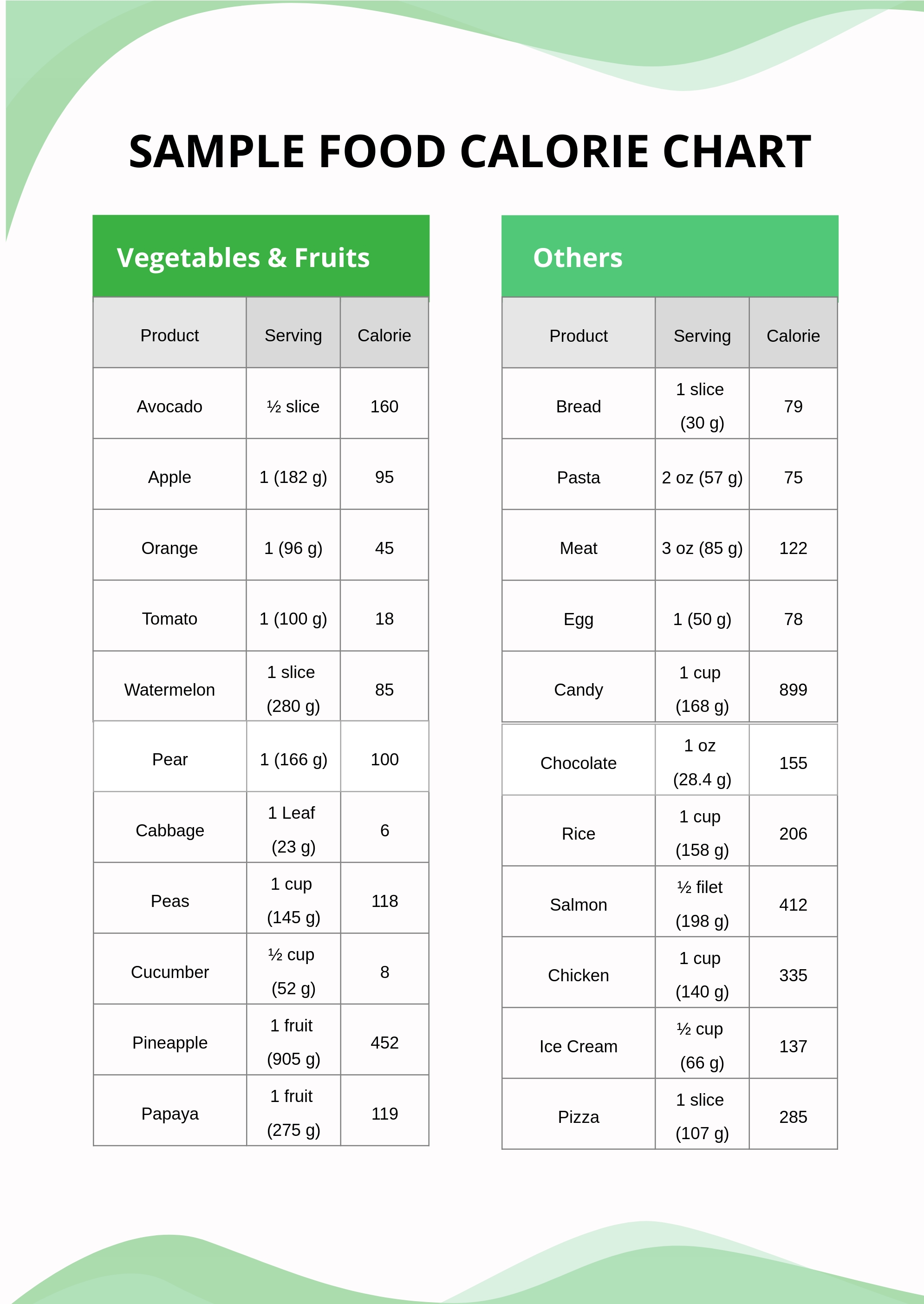
A standard commercial slice of white bread contains roughly 74 to 77 calories, with about 266 calories per 100 grams. If you're tracking your daily energy intake, understanding what goes into that number helps you manage your diet without guesswork.
White bread often gets a bad reputation in fitness and weight loss circles, but the reality involves specific numbers, processing methods, and how it fits into your overall plate. Let's break down the exact numbers, where those calories originate, and how white bread compares to alternative grains.
The Exact Calorie and Macronutrient Breakdown
To understand the energy profile of white bread, we look at standardized data from USDA FoodData Central. Commercially prepared white sandwich bread consists primarily of refined wheat flour, water, yeast, sugar, and oil or shortening.
Here is what a standard serving provides:
- One standard slice (approx. 27–29 grams): 74–77 calories
- Two slices (sandwich base): 148–154 calories
- Per 100 grams: 266 calories
The macronutrient distribution is heavily skewed toward carbohydrates. Out of those 266 calories per 100 grams, carbohydrates account for roughly 74% to 76% of the total energy. Protein makes up about 13% to 14%, and fat accounts for the remaining 10% to 12%.
A single typical slice yields:
- Carbohydrates: ~13.4 to 14.3 grams
- Protein: ~2.6 grams
- Fat: ~1.0 gram
- Dietary Fiber: ~0.6 to 0.8 grams
- Sodium: ~130 to 142 milligrams
Why the Processing Changes the Satiety Math
The core difference between white bread and whole grain varieties comes down to how the grain is milled. During the production of white flour, the bran and the germ are removed. This process strips away a significant portion of the natural fiber, vitamins, and minerals, leaving primarily the starchy endosperm.
This refinement creates a soft texture and a longer shelf life, but it changes how your body experiences fullness. Because a regular slice contains less than one gram of fiber, it digests quickly. Rapid digestion often leads to a quicker return of hunger cues, making it easier to overeat later in the day compared to high-fiber alternatives.
However, commercial white bread sold in many regions is "enriched." This means manufacturers add back specific nutrients lost during milling—such as iron, thiamin, riboflavin, niacin, and folic acid—to meet baseline nutritional standards. While enrichment restores certain vitamins, it doesn't replace the missing dietary fiber.
Comparing White Bread to Other Common Breads
When you stand in the grocery aisle, looking at calorie counts alone can be deceptive because different loaves feature different slice weights. Heavier breads pack more calories per slice simply because they contain more mass.
Here is how white bread compares per 100 grams to other common loaf styles:
- White Bread: 266 calories, 2.7g fiber, 8.9g protein
- Whole Wheat Bread: 252 calories, 6.0g fiber, 12.5g protein
- Sourdough Bread: 272 calories, 2.5g fiber, 10.8g protein
- Rye Bread: 259 calories, 5.8g fiber, 8.5g protein
Per 100 grams, white bread and whole wheat bread carry very similar calorie counts. The real divergence is internal: whole wheat provides more than double the fiber and roughly 40% more protein, which assists with satiety and blood sugar stabilization.
Common Mistakes When Counting Bread Calories
People tracking their daily energy intake frequently miscalculate how much bread they consume. Avoiding these common traps ensures your calorie log stays accurate.
Trusting Slice Counts Instead of Weight
The nutrition label usually assumes a standard slice weight of around 27 to 29 grams. Artisan loaves, thick-cut sandwich breads, and bakery-style slices often weigh 40 grams or more. A single thick slice can easily push past 110 calories, turning a calculated 150-calorie sandwich into a 220-calorie meal.
Forgetting the Toppings and Spreads
The bread itself is only part of the equation. Two slices of white bread provide about 150 calories, but adding a tablespoon of butter, mayonnaise, or peanut butter adds an extra 90 to 100 calories per tablespoon. Condiments and fats frequently outpace the calorie contribution of the bread base.
Ignoring Cumulative Sodium
While you're counting calories, it's easy to overlook sodium. Two slices of commercial white bread can carry between 260 and 280 milligrams of sodium—about 11% to 12% of your recommended daily limit—before you add any deli meats, cheese, or salted butter.
Frequently Asked Questions
Does white bread cause immediate weight gain?
No single food causes weight gain on its own; weight changes depend on an overall daily calorie surplus. White bread contains a moderate amount of calories, but because it lacks high amounts of fiber, it may not keep you full as long, potentially leading to higher overall food intake throughout the day.
Why are some white breads lower in calories?
Some manufacturers produce reduced-calorie or light white bread by cutting slice thickness or incorporating extra air, water, and added plant fibers. A light slice can drop down to around 45 to 50 calories per slice while offering higher fiber content than traditional white bread.
Is white bread okay to eat before a workout?
Yes. Because white bread is low in fiber and digests quickly, it provides a fast source of readily available carbohydrates without weighing heavily on your stomach during physical activity.
How can I make white bread fit into a weight loss plan?
You can enjoy white bread while losing weight by monitoring your portions, weighing your food with a kitchen scale to verify slice size, and pairing it with high-protein or high-fiber foods like eggs, turkey, or vegetables to increase meal satiety.


