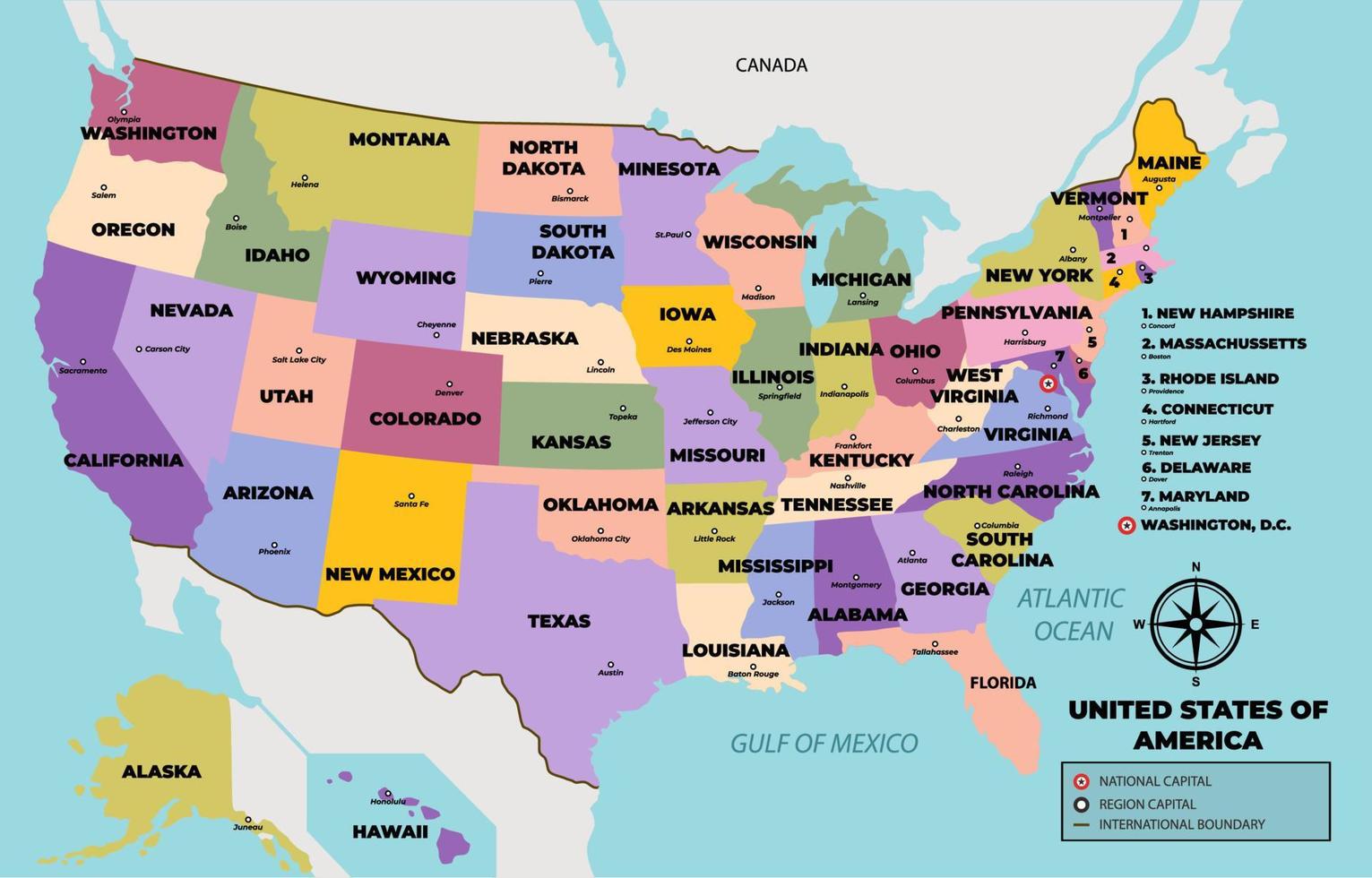
The Central Standard Time zone covers a massive swath of North America, spanning from the Canadian border down to the Gulf of Mexico. If you're wondering which states follow CST, ten states fall entirely within the Central Time Zone, while another ten states are split between Central time and neighboring time zones.
Understanding how these boundaries work helps prevent missed flights, scheduling mix-ups, and confusion during seasonal time changes. Let's break down exactly which states run on Central time, why some states are split, and how daylight saving time affects the region.
States Fully Located in the Central Time Zone
Ten states sit completely within the boundaries of the Central Time Zone. If you cross any border within these states, your clock won't need to change:
- Alabama
- Arkansas
- Illinois
- Iowa
- Louisiana
- Minnesota
- Mississippi
- Missouri
- Oklahoma
- Wisconsin
These states observe Central time uniformly across all counties, making travel and business scheduling straightforward within their borders.
States Split Between Central and Other Time Zones
Things get complicated when looking at states that straddle the line between the Eastern, Central, and Mountain time zones. Ten states are split, meaning you might drive for an hour, cross an invisible boundary, and watch your phone clock jump forward or backward.
Florida
The Florida panhandle west of the Apalachicola River is on Central time, while the rest of the state—including Miami, Orlando, and Tampa—runs on Eastern time.
Indiana
Most of Indiana observes Eastern time, but twelve counties split into the Central time zone. These are split into two clusters: six near Chicago in the northwest and six near Evansville in the southwest.
Kansas
Nearly all of Kansas observes Central time, except for four counties in the far western part of the state that border Colorado and run on Mountain time (Cheyenne, Greeley, Sherman, and Wallace).
Kentucky
The eastern half of Kentucky, including Lexington and Louisville, stays on Eastern time. Western Kentucky—including cities like Bowling Green and Paducah—operates on Central time.
Michigan
While Michigan is primarily an Eastern time state, four counties in the Upper Peninsula that border Wisconsin use Central time (Gogebic, Iron, Dickinson, and Menominee). You can learn more about official boundaries through the Department of Transportation time zone guidelines.
Nebraska
Nebraska is split diagonally. The eastern half runs on Central time, while the western half shifts to Mountain time.
North Dakota
Most of North Dakota is on Central time, but the southwestern portion—including parts of the Missouri River region—observes Mountain time.
South Dakota
Similar to Nebraska, South Dakota is split down the middle. The eastern half uses Central time, while the western half uses Mountain time.
Tennessee
Tennessee splits down the middle culturally and geographically. Middle and West Tennessee (including Nashville and Memphis) are on Central time, whereas East Tennessee (including Knoxville and Chattanooga) runs on Eastern time.
Texas
The vast majority of Texas operates on Central time. However, a small sliver of West Texas around El Paso and Hudspeth County uses Mountain time.
CST vs. CDT: Understanding the Seasonal Shift
A common point of confusion is the difference between CST and CDT. Central Standard Time (CST) is UTC-6, which is the official time observed during standard winter months.
During the spring and summer months, most of these regions observe Daylight Saving Time. They shift forward by one hour to Central Daylight Time (CDT), which is UTC-5. Only a few areas, such as Saskatchewan in Canada, stay on standard time year-round. You can check current global offsets using the Time.gov official clock.
Common Mistakes When Scheduling Across Time Zones
- Assuming state lines equal time zone boundaries: As seen in ten different states, political borders do not dictate time zones. Geography and commerce dictate where the lines fall.
- Forgetting local business hours: If you are booking a service or hosting a webinar with clients spread across split states like Tennessee or Florida, always confirm their specific city or county time.
- Confusing travel times: Driving west across Nebraska or Tennessee can result in gaining an hour unexpectedly, which throws off estimated arrival times if your GPS app hasn't updated its network lock.
Frequently Asked Questions
Does all of Texas use Central Time?
No. While the vast majority of Texas uses Central time, El Paso and surrounding western counties observe Mountain time because they align geographically with neighboring New Mexico.
Why are some states split into two time zones?
Time zone boundaries are established by the Department of Transportation based on commercial, economic, and community convenience. If a major trading hub in western Kentucky trades heavily with Nashville, aligning with Central time makes logistical sense for local businesses.
Do all states observing Central Time use Daylight Saving Time?
Most do, but there are exceptions. For example, parts of Arizona and international regions in the broader Central time footprint may handle seasonal shifts differently, though within the United States, nearly all regions within the Central zone observe Daylight Saving Time.
How many total US states touch the Central Time Zone?
Twenty states touch the Central Time Zone. Ten are entirely within it, and ten are split with either Eastern or Mountain time.



