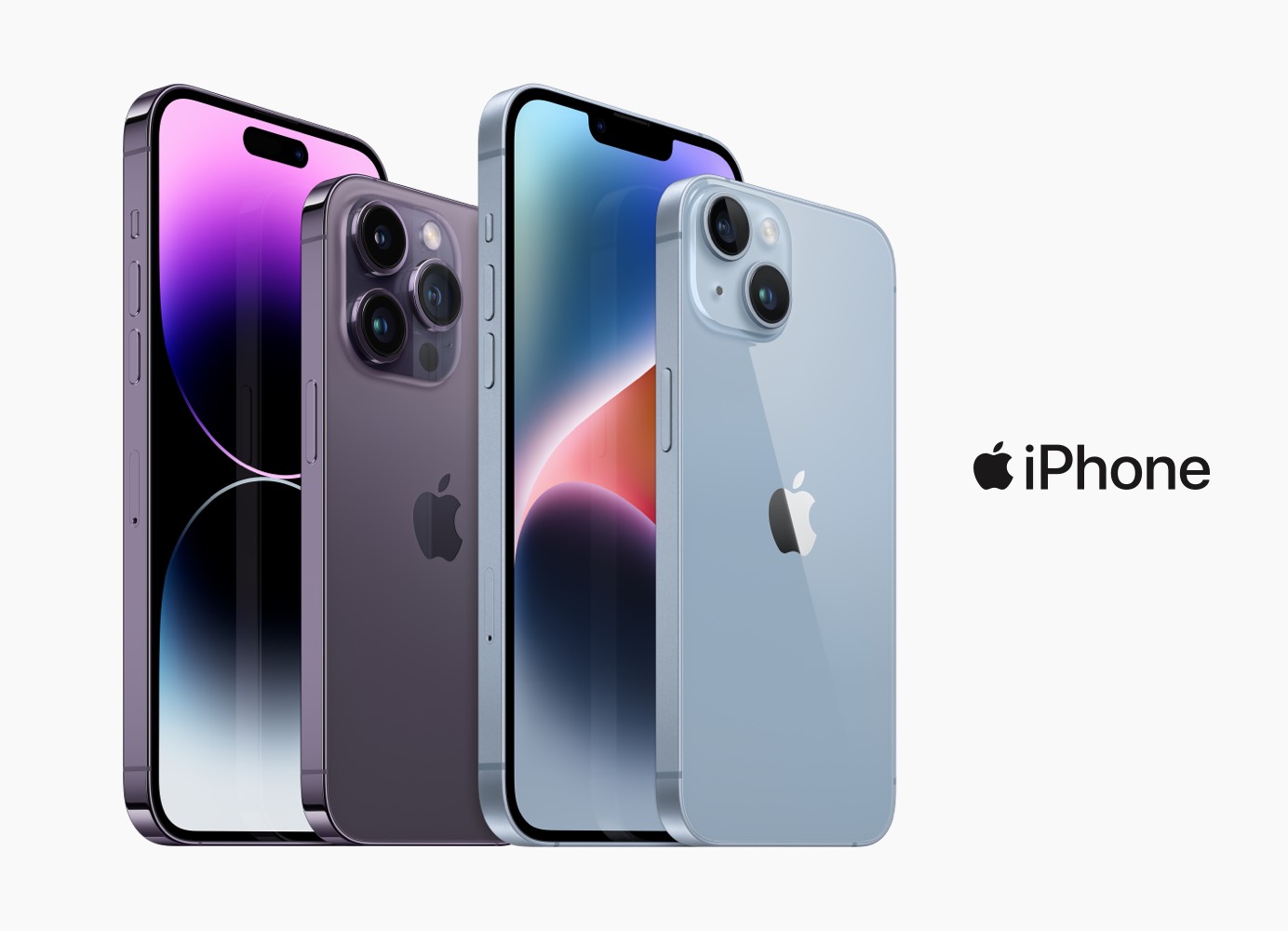
Wondering if your current Apple device can connect to ultra-fast cellular networks? Every iPhone model from the iPhone 12 lineup onward fully supports 5G connectivity. If you're using an iPhone 12, 13, 14, 15, 16, or any recent SE model, you're covered.
Finding out whether your specific handset handles next-generation data speeds requires looking past just the model name. Carrier restrictions, regional hardware differences, and cellular plan settings all dictate whether that 5G icon actually appears in your status bar. Let's break down exactly which devices connect to high-speed networks and what you need to make it work.
The Complete iPhone 5G Compatibility List
Apple introduced cellular network upgrades starting in late 2020. Since then, every primary smartphone release includes built-in hardware for cellular data standards.
Supported Flagship and Standard Models
- iPhone 16 Series: iPhone 16, 16 Plus, 16 Pro, and 16 Pro Max
- iPhone 15 Series: iPhone 15, 15 Plus, 15 Pro, and 15 Pro Max
- iPhone 14 Series: iPhone 14, 14 Plus, 14 Pro, and 14 Pro Max
- iPhone 13 Series: iPhone 13, 13 mini, 13 Pro, and 13 Pro Max
- iPhone 12 Series: iPhone 12, 12 mini, 12 Pro, and 12 Pro Max
Supported Budget and SE Models
- iPhone SE (3rd generation): Released in 2022, this budget-friendly option brings high-speed cellular access to the entry-level price point.
- iPhone SE (2nd generation): Limited to LTE networks only; does not include high-speed cellular hardware.
Older devices like the iPhone 11, iPhone X, and earlier generations lack the physical modem chips required for high-speed cellular bands. If you own one of these legacy handsets, you're restricted to standard LTE or 4G connections. As discussed in latest articles by Engadget, the implications are notable.
Understanding Cellular Network Tiers
Not all cellular connections deliver the same performance. Apple's hardware interacts with different frequency bands offered by telecom providers, which determines your actual download and upload speeds.
Sub-6 GHz Networks
Sub-6 GHz bands operate on lower frequencies. They offer wider coverage areas and easily penetrate walls and obstacles, making them common in suburban and rural regions. Speeds on Sub-6 GHz often match high-end LTE, ranging from 100 Mbps to several hundred Mbps. Every compatible Apple handset supports these bands globally.
mmWave Networks
Millimeter-wave (mmWave) frequencies deliver the fastest performance possible, sometimes exceeding 1 Gbps. However, these high frequencies have very short ranges and struggle to pass through physical barriers like glass, trees, and buildings.
In the United States, models sold by major carriers include physical antennas for mmWave bands. Devices purchased in many international markets often rely exclusively on Sub-6 GHz due to regional spectrum deployment differences. You can check official specifications on the Apple Support site to verify band support for your specific regional model number.
Why Your Device Might Not Show a 5G Icon
You might own a compatible handset, but the network indicator still displays LTE. Several common factors cause this mismatch between hardware capability and real-world connection:
- Outdated Cellular Carrier Settings: Telecom providers push periodic updates to improve network routing. Go to Settings, tap General, and select About to prompt a carrier settings update if one is pending.
- Plan Limitations: Many budget carriers and older grandfathered phone plans restrict high-speed data access unless you upgrade your monthly subscription tier.
- Smart Data Mode: iOS features an automated toggle designed to preserve battery life. When high-speed data isn't actively needed for heavy tasks like streaming, the phone drops down to LTE. You can override this by navigating to Cellular Data Options and forcing the phone to prioritize high-speed bands constantly.
- Local Coverage Gaps: Even with a modern handset and an active data plan, physical distance from the nearest cell tower running the correct frequency forces your phone onto legacy networks.
Frequently Asked Questions
Do I need a new SIM card for high-speed data?
Most existing physical SIM cards work fine, but older cards issued several years ago may lack proper provisioning for modern network profiles. If you upgraded your plan and still experience connection issues, visiting your carrier store for a modern SIM or activating an eSIM usually resolves the problem.
Does using high-speed data drain my battery faster?
Yes. Maintaining a connection to dense frequency bands requires extra power from the internal modem. Apple's Smart Data mode mitigates this drain by switching back to LTE when high speeds aren't required, but heavy continuous downloading will drain your battery noticeably faster.
Can I disable high-speed cellular to save battery?
You can manually force your phone to use LTE. Open your Settings app, tap Cellular, select Cellular Data Options, and choose Voice & Data. From there, switch your preference from 5G Auto or 5G On to LTE.
Do international models work with domestic networks?
While supported handsets generally connect worldwide, regional variations in specific frequency band allocations mean an imported device might miss out on certain carrier-specific high-speed bands. Review the specific technical specifications published by the Federal Communications Commission for device model identification if you travel frequently or purchase imported electronics.



