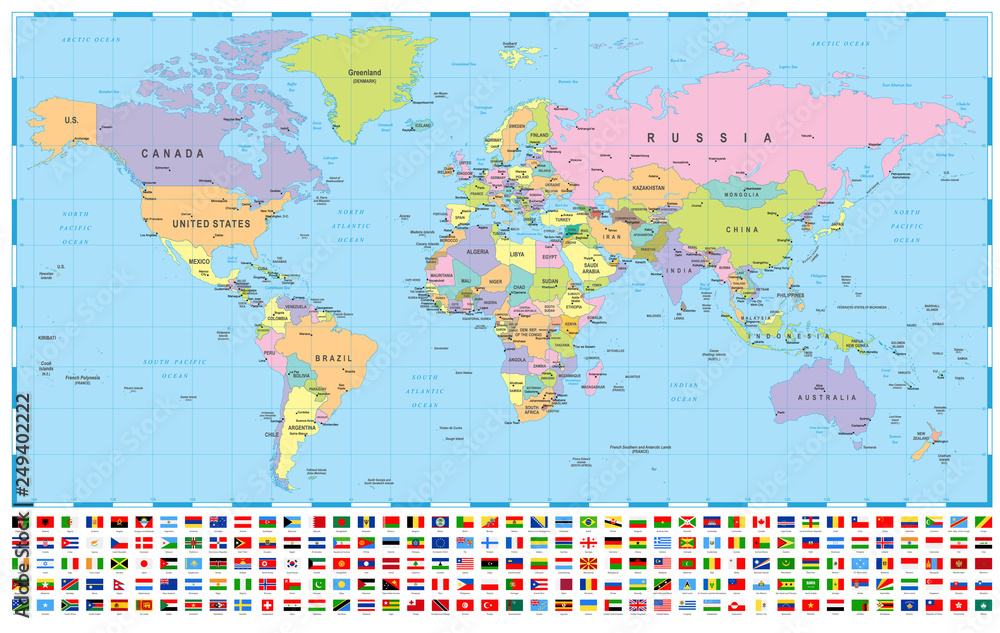
New York City is located in the United States of America, positioned in the northeastern region of the country within New York State. While its massive cultural footprints and global media presence sometimes confuse international travelers who mistake it for an independent city-state or a separate country entirely, it operates firmly as an American municipality. Understanding its exact geographic placement, jurisdictional levels, and global status clarifies why people often mix up its administrative borders.
Geographic Placement and Boundaries
The city sits at the southern tip of New York State, where the Hudson River empties into the Atlantic Ocean. It spans five distinct boroughs: Manhattan, Brooklyn, Queens, the Bronx, and Staten Island. Each borough also functions as a county within the state structure.
- Manhattan: New York County
- Brooklyn: Kings County
- Queens: Queens County
- The Bronx: Bronx County
- Staten Island: Richmond County
These boundaries cover roughly 302 square miles of land. Millions of commuters travel daily from neighboring states like New Jersey and Connecticut, which adds to the regional scale of the metropolitan area but doesn't change its state or national home. You can check the U.S. Department of State for broader context on how municipal jurisdictions fit into the federal framework.
Governance and Political Structure
Governance in New York City operates under a multi-layered system involving city, state, and federal laws. Unlike Washington, D.C., which functions as a federal district under specific constitutional oversight, New York City is a municipal corporation chartered by New York State.
The local government consists of a mayor and a city council. The mayor manages executive agencies like the police and sanitation departments, while the city council passes local laws and approves the budget. However, state lawmakers in Albany hold ultimate authority over major municipal policies, including regional taxation, mass transit systems like the Metropolitan Transportation Authority, and public school mandates. Federal laws govern constitutional rights, interstate commerce, and national security. For official records on municipal laws and state charters, visit NYC.gov.
Why Confusion Arises Internationally
Global media exposure often detaches New York City from its national identity. Movies, television shows, and financial news networks frequently treat the city as a standalone entity.
Foreign visitors occasionally wonder if it functions like Monaco or Singapore—sovereign city-states that govern themselves as independent nations. Because the city hosts the United Nations headquarters, people sometimes assume it operates under international territory rather than American municipal law. In reality, the UN headquarters is international territory granted specific diplomatic privileges by agreement with the U.S. government, but the surrounding city belongs entirely to the United States.
Economic and Cultural Significance
The city earned its reputation as a global hub through finance, media, fashion, and international diplomacy. Wall Street serves as a primary driver of the global financial system, anchoring the New York Stock Exchange.
Cultural institutions like Broadway, the Metropolitan Museum of Art, and Madison Square Garden draw millions of international visitors annually. This heavy concentration of global influence causes people to view the city as a world capital in its own right, overshadowing its actual status as a local U.S. municipality. For economic data and global trade statistics, review reports from the U.S. Census Bureau.
Common Mistakes to Avoid
- Confusing the City with the State: New York City is inside New York State, but the state covers a vast rural and suburban area stretching to Canada and Lake Erie, far beyond the urban center.
- Treating it as a Country: It lacks sovereignty, a separate military, immigration control, or independent foreign policy.
- Assuming UN Ownership: The United Nations occupies international acreage along the East River, but the rest of Manhattan and its sister boroughs are subject to local U.S. laws.
Frequently Asked Questions
Is New York City the capital of the United States?
No. Washington, D.C. serves as the federal capital of the United States. New York City served briefly as the national capital in the late 18th century before the government moved permanently to Washington.
Is New York City the capital of New York State?
No. Albany serves as the capital of New York State, located about 150 miles north of the city.
Does New York City issue its own passports?
No. Passports for residents of New York City are issued exclusively by the federal government through the U.S. Department of State.
Why do people call it the City of New York?
"City of New York" is the official legal name of the municipality, though "New York City" or simply "New York" is used in common conversation to avoid confusion with the broader state.



