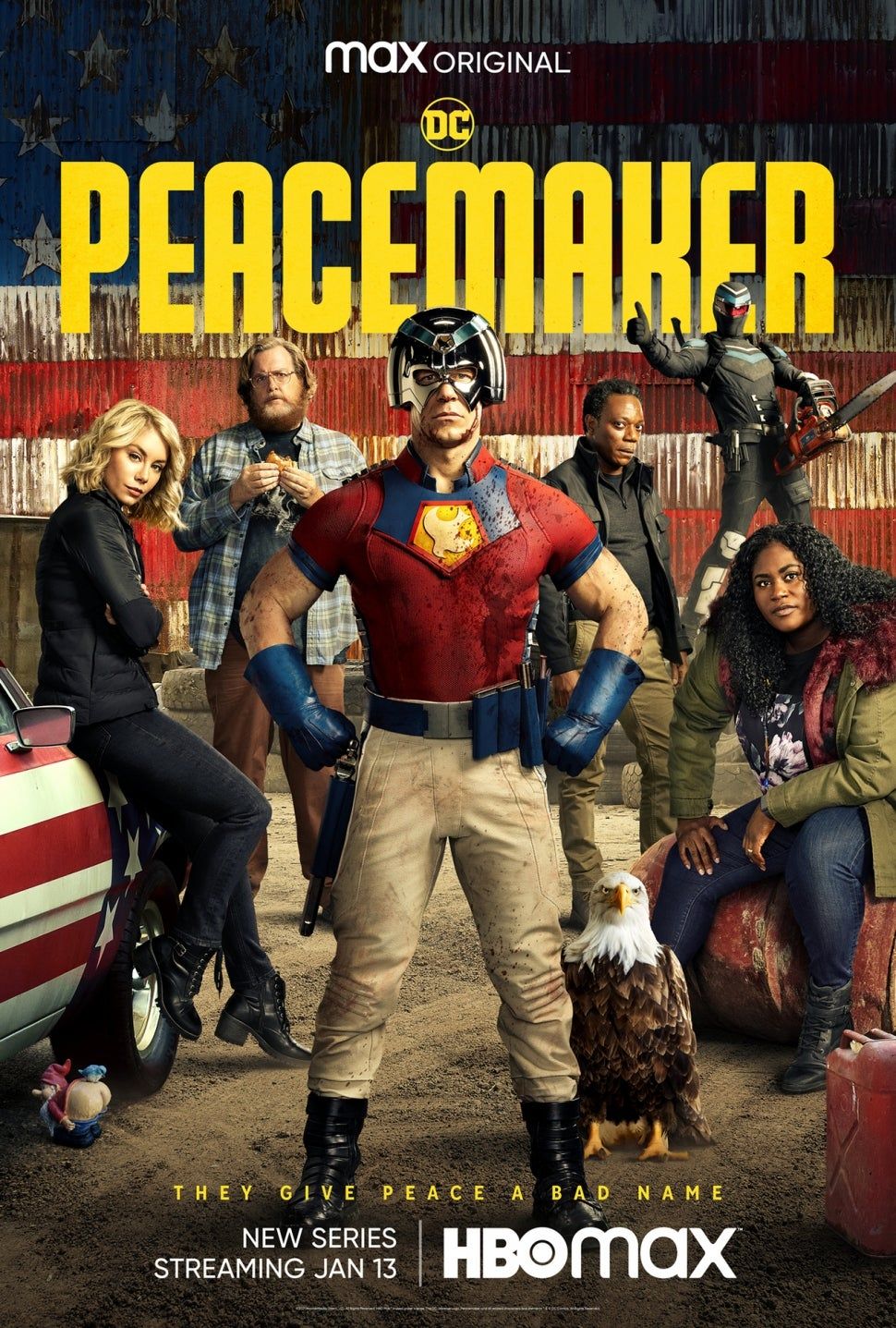
When Christopher Smith struts down the street in his tight red, white, and blue uniform, he looks like he belongs in a gritty, small-town American pocket. While the show is set in the United States, the production teams actually set up camp across two very different regions depending on the season. Season one relied heavily on the moody, overcast landscapes of the Pacific Northwest, while season two shifted production down south to the sprawling studios and historic charm of Georgia.
Understanding where production happened reveals how production crews turned real-world urban centers and rural intersections into the eccentric backdrop of the DC antihero's universe. If you've ever wondered how the production team mapped out Christopher Smith's stomping grounds, the actual geography spans concrete city blocks, built-out soundstages, and recognizable public landmarks.
Vancouver and British Columbia: The Setting for Season One
The first season of the DC series used the diverse terrain of British Columbia, Canada, primarily around Metro Vancouver, to double for various American settings. Vancouver offers versatile backdrops, ranging from dense urban areas to rugged forests, which fit the gritty tone of James Gunn's project.
Production utilized several key municipalities and local businesses to bring the fictional corners of the story to life:
- Surrey: A significant portion of the outdoor street scenes and storefronts were filmed here. For instance, a vintage vacant building at 5756 176th Street was dressed up to serve as the exterior for the fictional A.R.G.U.S. headquarters, complete with a prominent "Henenlotter Video" sign.
- The Henry Public House: Located nearby at 5708 176th Street in Surrey, this longstanding gastropub doubled as O'Rourke's Sports Bar, where characters hang out and hash out covert operations.
- The Pink Palace: This notable apartment structure made appearances in early episodes, providing a distinct residential look that has also hosted other notable television productions.
- Bridge Studios and Local Soundstages: Interior sets, specialized action sequences, and controlled environments were constructed inside major regional studio facilities like Bridge Studios in Burnaby to manage complex stunt work and green screen requirements.
The choice of the Vancouver area wasn't random. The region's characteristically gray skies and dense, damp foliage provided an atmospheric visual texture that matched the grounded, cynical tone of the narrative without needing heavy digital alterations.
Shifting to Georgia: Production Locations for Season Two
When production ramped up for the second season, the crew shifted operations to Georgia, taking advantage of the state's robust infrastructure, tax incentives, and varied landscape. This marked a complete geographic pivot from the Canadian Pacific Northwest to the American South.
The main hubs for the second chapter included:
- Trilith Studios: Formerly known as Pinewood Atlanta Studios, this massive 700-acre production facility in Fayette County housed extensive soundstages and custom-built outdoor sets. It served as the primary base for constructing complex interior layouts, including specialized character hideouts and alternative living spaces.
- Paulding County: Known for its semi-rural environment, small towns, and natural parks, Paulding County provided the backdrop for various exterior transit sequences and roadside encounters.
- Savannah: The historic coastal city added a distinct aesthetic layer to the production. Crews shot scenes around urban landmarks, including parts of the picturesque Forsyth Park, recognized for its historic Victorian architecture and iconic central fountain.
This shift allowed the creative team to introduce fresh visual textures, moving away from damp northern evergreen forests toward sun-drenched southern terrain and expansive studio lots.
How Production Teams Alter Real-World Spaces
Transforming everyday storefronts and public parks into a high-stakes superhero playground requires a massive amount of set decoration. When crews took over neighborhoods in Surrey or downtown squares in Georgia, they relied on specific tactics to mask reality.
For instance, temporary signage, custom storefront decals, and prop vehicles instantly convert a quiet suburban strip into a bustling operational hub for covert government agents. Local traffic control and specialized lighting rigs ensure that dreary weather or harsh sunlight can be manipulated to maintain visual continuity across different shooting days. Crowd control measures and security perimeters also keep curious onlookers away from active stunt zones, allowing actors to execute tightly choreographed fight sequences safely on public asphalt.
Frequently Asked Questions
Is the opening dance sequence filmed on a real street?
No. The iconic opening dance sequence featuring the entire cast was shot on a controlled soundstage environment rather than an open public roadway, allowing the crew to manage complex camera tracks, lighting, and choreography without public interference.
Can fans visit the A.R.G.U.S. headquarters building in real life?
You can visit the physical building located in Surrey, British Columbia, but the fictional "Henenlotter Video" signage and internal A.R.G.U.S. equipment were temporary set pieces that were removed shortly after filming wrapped for the first season.
Why did the production change filming locations between seasons?
Many television productions shift primary hubs due to tax incentive adjustments, studio availability, or narrative changes that require different geographical aesthetics. The move from Vancouver to Georgia offered access to larger dedicated studio lots like Trilith and warmer regional backdrops.
Are the restaurants and bars featured in the show real businesses?
Some locations, such as local pubs used for exterior and interior tavern shots, are authentic operational businesses in the local community, while other dining locations are entirely constructed soundstage facades built for specific narrative gags or destructive action scenes.


