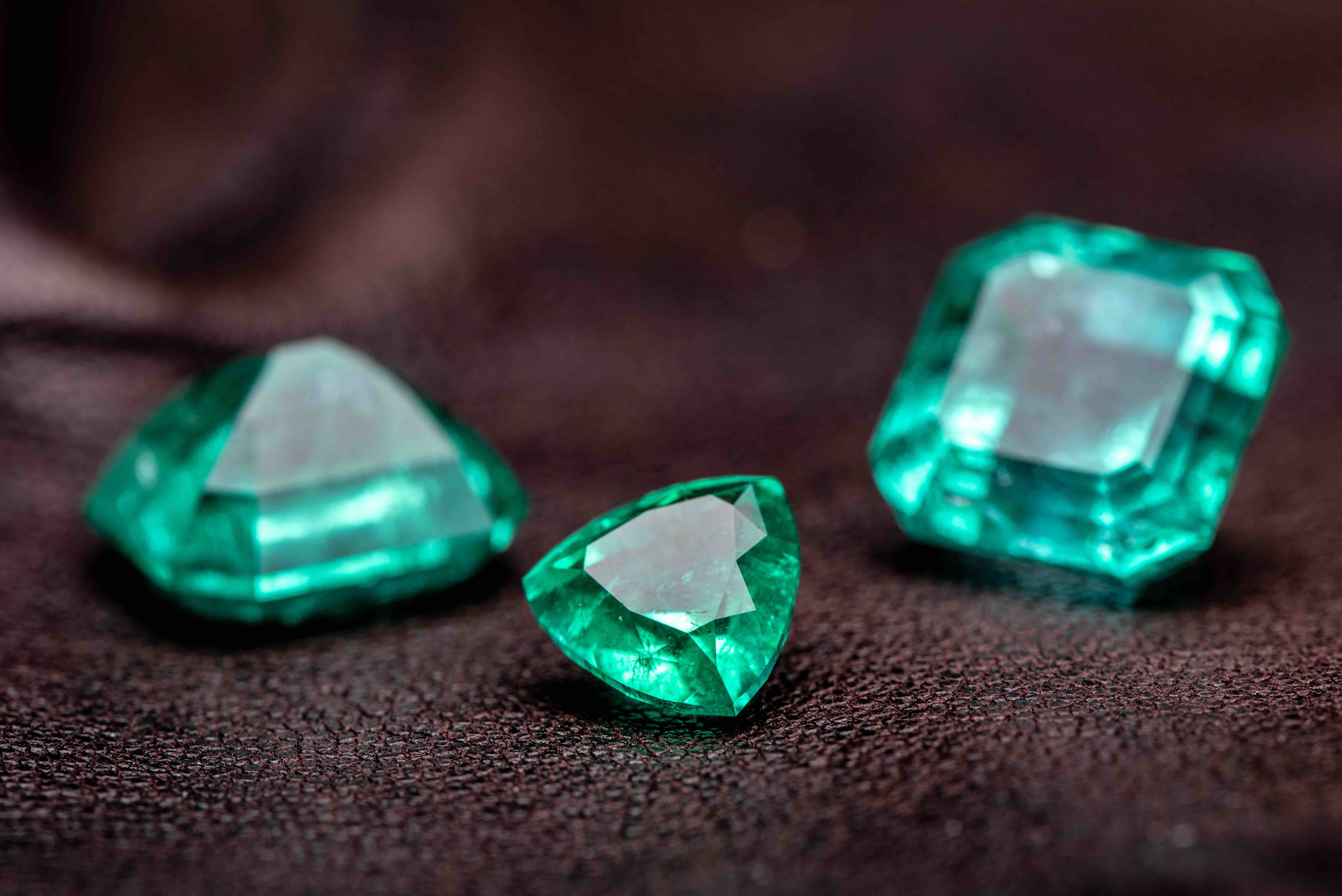
The Emerald City isn't just a fictional destination at the end of the Yellow Brick Road; it's a literary creation rooted heavily in late 19th-century American architecture, exposition culture, and political allegory. When L. Frank Baum published The Wonderful Wizard of Oz in 1900, readers were captivated by his shining capital made entirely of green glass, jewels, and marble. But where did this mythical metropolis actually come from?
The primary inspiration behind the visual layout of the Emerald City was the 1893 World's Columbian Exposition in Chicago, often called the "White City". Baum spent time walking the grand neoclassical exhibition grounds, which rose like a sudden, glowing dream on the shores of Lake Michigan. Beyond architecture, historians trace the city's conceptual roots to political satire, specifically the populist economic debates of the gilded age, as well as picturesque vacation spots like the Hotel del Coronado in California where Baum later spent winters.
The White City Blueprint: Chicago's 1893 World's Fair
To understand why the Emerald City looked the way it did, you have to look at Chicago in 1893. The World's Columbian Exposition transformed a stretch of swampy parkland into an impossibly grand, glowing white metropolis.
- The Scale: The exposition featured massive, illuminated buildings, reflecting pools, and wide boulevards that contrasted sharply with the soot-stained industrial grit of standard 19th-century cities.
- The Illusion: Most structures at the fair were temporary facades made of "staff"—a mixture of plaster of Paris and hemp fiber—painted to look like solid white stone. Much like the Wizard's projection of power, the White City was a breathtaking illusion engineered to project the pinnacle of American civilization.
- Baum's Perspective: Baum had recently moved to Chicago just as the fair opened. He was mesmerized by the electric lighting, which illuminated the white plaster palaces at night, giving them an otherworldly, magical glow that directly influenced his descriptions of Oz's capital.
The Architectural Influence of the Hotel del Coronado
While the White City provided the urban layout, structural details of the Emerald City's palace may have been drawn from Baum's frequent winter retreats. Beginning in 1904, Baum traveled regularly to San Diego, staying at the iconic Hotel del Coronado.
With its soaring Queen Anne-style turrets, distinctive conical roofs, and sprawling wooden architecture set against the Pacific coast, the resort matched the whimsical geometry of fairy-tale castles. Baum found immense creative peace on the hotel grounds, and local historians note that several elements of his later Oz manuscripts echo the grand spaces and towers of the historic property. You can explore more about its history through the San Diego History Center.
Political Allegory: Washington, D.C. and the Gilded Age
Literary scholars have long argued that the Emerald City is more than a scenic stop for Dorothy; it's a biting political satire of late-19th-century American monetary policy.
In this widely studied interpretation, the city represents Washington, D.C., and the "green" of the city symbolizes fiat paper money (greenbacks). Consider how the city operates:
- The Green Spectacles: Everyone entering the city must wear green-tinted glasses strapped on with a lock. This forces visitors to view everything through a tinted lens, suggesting that the city's wealth and splendor are artificial constructs sustained entirely by collective belief.
- The Wizard's True Nature: When Dorothy's dog Toto pulls back the curtain, the Wizard is exposed as an ordinary man running levers and manipulating smoke. Populist historians view this as a direct critique of American presidents and central bankers during the silver versus gold standard debates.
Common Misconceptions About the Emerald City's Origins
Pop culture and urban legends often misattribute the origins of the city's name and design. Clearing up these errors helps map the true history:
- Seattle Connection: Many assume Seattle—officially nicknamed the "Emerald City" due to its evergreen forests—inspired Baum's creation. In reality, Seattle did not receive this moniker until 1982, more than eight decades after the book was published.
- The Emerald Color Scheme: In Baum's original text, the city wasn't exclusively green. The green spectacles made everything look green, but the city itself was built from shimmering blocks of green marble studded with emeralds. The 1939 Metro-Goldwyn-Mayer film popularized the monochromatic green aesthetic most people picture today.
Frequently Asked Questions
Did L. Frank Baum invent the color green for Oz?
No, but he popularized green as the definitive color of magic and mystery in children's literature. Before The Wizard of Oz, green was frequently associated with folklore, fairies, and nature, but Baum tied it directly to institutional power and illusion.
Can you visit a real-life Emerald City today?
While no city on Earth matches the fictional capital, you can visit places that directly shaped Baum's vision. Chicago still honors its 1893 World's Fair heritage through museum exhibitions at the Museum of Science and Industry, and the Hotel del Coronado remains open to visitors in California.
Why did visitors have to wear green glasses in the book?
According to the gatekeeper of the Emerald City, the glasses were necessary to protect people's eyes from the overwhelming brilliance and glory of the jewels. Metaphorically, it kept citizens and visitors locked into viewing the ruling regime's illusion of prosperity.



