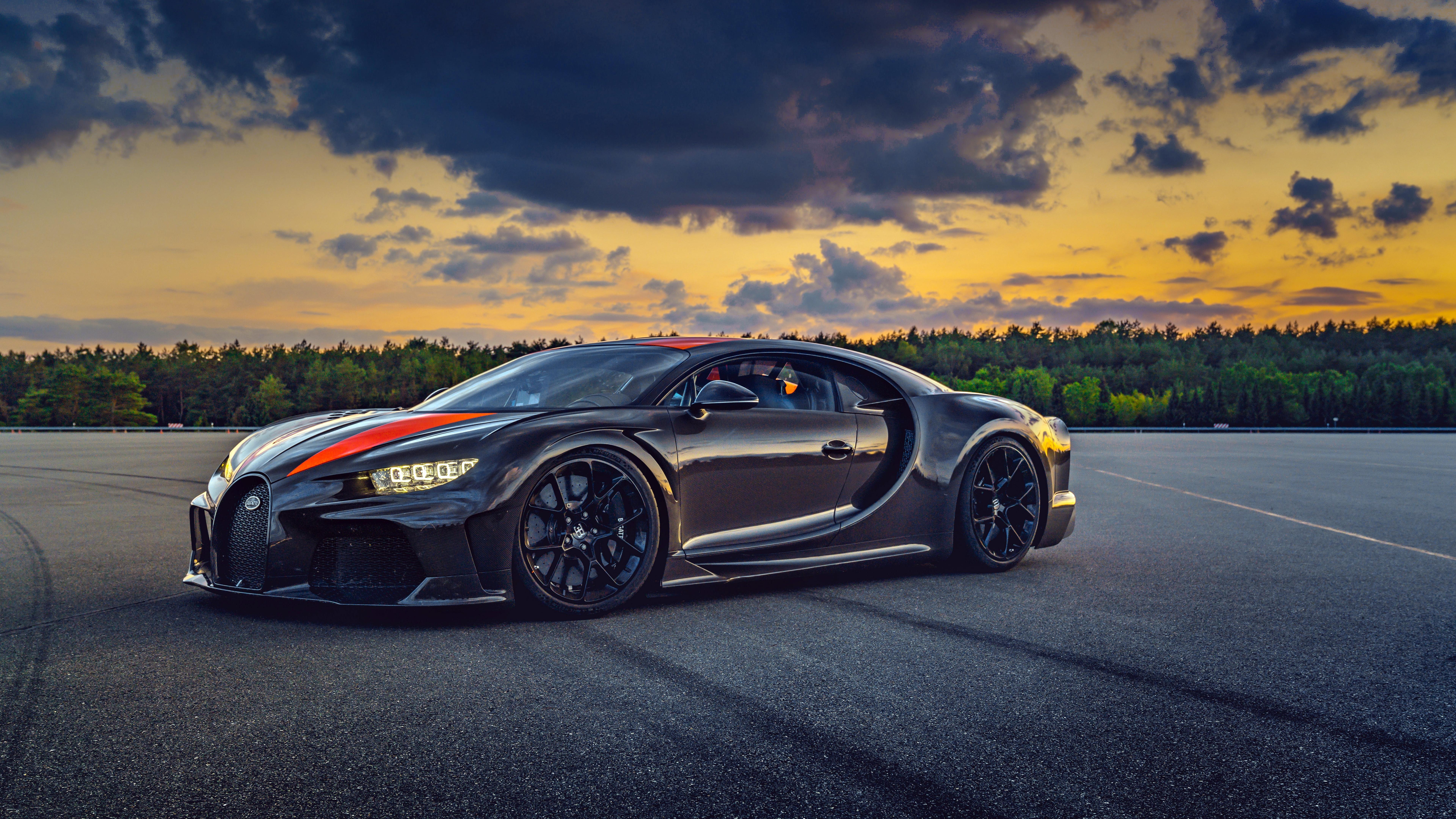
Bugatti is fundamentally a French luxury hypercar manufacturer, rooted deeply in the Alsatian town of Molsheim. While its founder, Ettore Bugatti, was born in Milan, Italy, he chose a small German-controlled territory in Alsace to establish his dream in 1909. Because of changing European borders and corporate acquisitions spanning over a century, Bugatti's national identity has shifted across French, Italian, German, and Croatian spheres. Today, every modern Bugatti continues to be handcrafted in that exact same historical region of France.
Tracing where Bugatti is from requires looking past simple geography into a complex history of borders, Italian entrepreneurship, German corporate backing, and modern Croatian engineering partnerships.
The Italian Roots of Ettore Bugatti
Ettore Bugatti came from a remarkably artistic family in Milan. His father, Carlo Bugatti, was a celebrated Art Nouveau furniture designer and jeweler, and his brother Rembrandt was a renowned animal sculptor. Ettore, however, gravitated toward mechanical engineering and fine art, blending aesthetic beauty with raw mechanical output.
He didn't stay in Italy to build his automotive empire. Young Ettore moved to Germany to work for De Dietrich-Bugatti, honing his design skills before setting out on his own. He sought a place where he could control his own manufacturing process without compromise. Similar analysis on this trend has been provided by BBC.
Founding in Molsheim: The German-French Crossroads
In 1909, Ettore Bugatti moved to Molsheim, located in the Alsace region. At that specific moment in history, Molsheim belonged to the German Empire following the Franco-Prussian War.
- The Original Atelier: Ettore set up shop in an abandoned dye works building, which evolved into the iconic site where cars are still built today.
- The Shift to France: Following World War I, the Treaty of Versailles returned Alsace-Lorraine to France in 1919. Overnight, Bugatti became a French automotive brand.
- Design Philosophy: Ettore famously treated his cars as rolling pieces of fine art, famously dismissing rival manufacturer Bentley as "the world's fastest trucks" due to their heavy, utilitarian engine designs.
During the 1920s and 1930s, models like the Type 35 Grand Prix car dominated European racing, cementing the brand's French sporting heritage.
The Italian Revival and German Ownership Eras
Following Ettore's death in 1947 and subsequent financial struggles, the original company faded into dormancy. The brand did not stay dead, however. Its modern identity was forged through two major international interventions:
- The Italian Era (Late 1980s–1990s): Italian entrepreneur Romano Artioli bought the trademark rights, built a futuristic factory in Campogalliano, Italy, and launched the quad-turbocharged V12 EB110. Financial collapse struck again during an economic downturn.
- The German Era (1998–2021): The Volkswagen Group purchased the Bugatti name in 1998, moving production back to its spiritual home in Molsheim, France. Under Volkswagen, engineering was primarily handled in Germany, while hand-assembly occurred in France to build legendary machines like the Veyron and Chiron.
You can read more about these structural transformations through historical archives provided by AutoZine.
Modern Identity: Bugatti Rimac
In recent years, Bugatti entered another chapter. In 2021, Volkswagen transferred control of the brand to Bugatti Rimac, a joint venture pairing Bugatti with Croatian electric hypercar pioneer Mate Rimac.
- The Joint Venture Structure: Porsche holds a major stake in the company alongside Rimac Group.
- Current Production: Despite the Croatian and German corporate ties, executive leadership emphasizes that the heartbeat of the brand remains in Molsheim.
- The Atelier: Vehicles like the Tourbillon are assembled by hand at the Official Bugatti Site, maintaining the historical link to France.
Common Misconceptions About Bugatti's Origins
Many automotive enthusiasts confuse where a car is designed with where its corporate ownership lies.
- Is Bugatti Italian? The founder was Italian, and one revival era happened in Italy, but the brand's racing legacy and historical factory are French.
- Is Bugatti German? For over two decades, it was a crown jewel of the Volkswagen Group, which heavily influenced its engineering standards.
- Is Bugatti Croatian? Today's operational leadership involves Rimac, marrying Croatian EV tech with traditional French manufacturing.
Ultimately, Bugatti's heritage transcends strict national boundaries, but its official home, legal nationality, and manufacturing heart remain firmly in France.
Frequently Asked Questions
Where are Bugatti cars manufactured today?
Every modern Bugatti hypercar is hand-assembled at the Atelier in Molsheim, France. This is the exact location Ettore Bugatti chose for his factory in 1909.
Was Ettore Bugatti French or Italian?
Ettore Bugatti was born in Milan, Italy, in 1881. He lived and worked in France for the majority of his adult life, and his company adopted French nationality after Alsace returned to France following World War I.
Who currently owns Bugatti?
Bugatti is owned by Bugatti Rimac, a joint venture formed by the Rimac Group and Porsche.
Why is Bugatti considered a French brand if the founder was Italian?
A brand's nationality is typically determined by where its corporate headquarters, primary manufacturing, and legal identity are registered. Because Bugatti was founded in Molsheim, France, raced under the French racing blue color scheme, and continues production in France, it is universally recognized as a French luxury marque.



