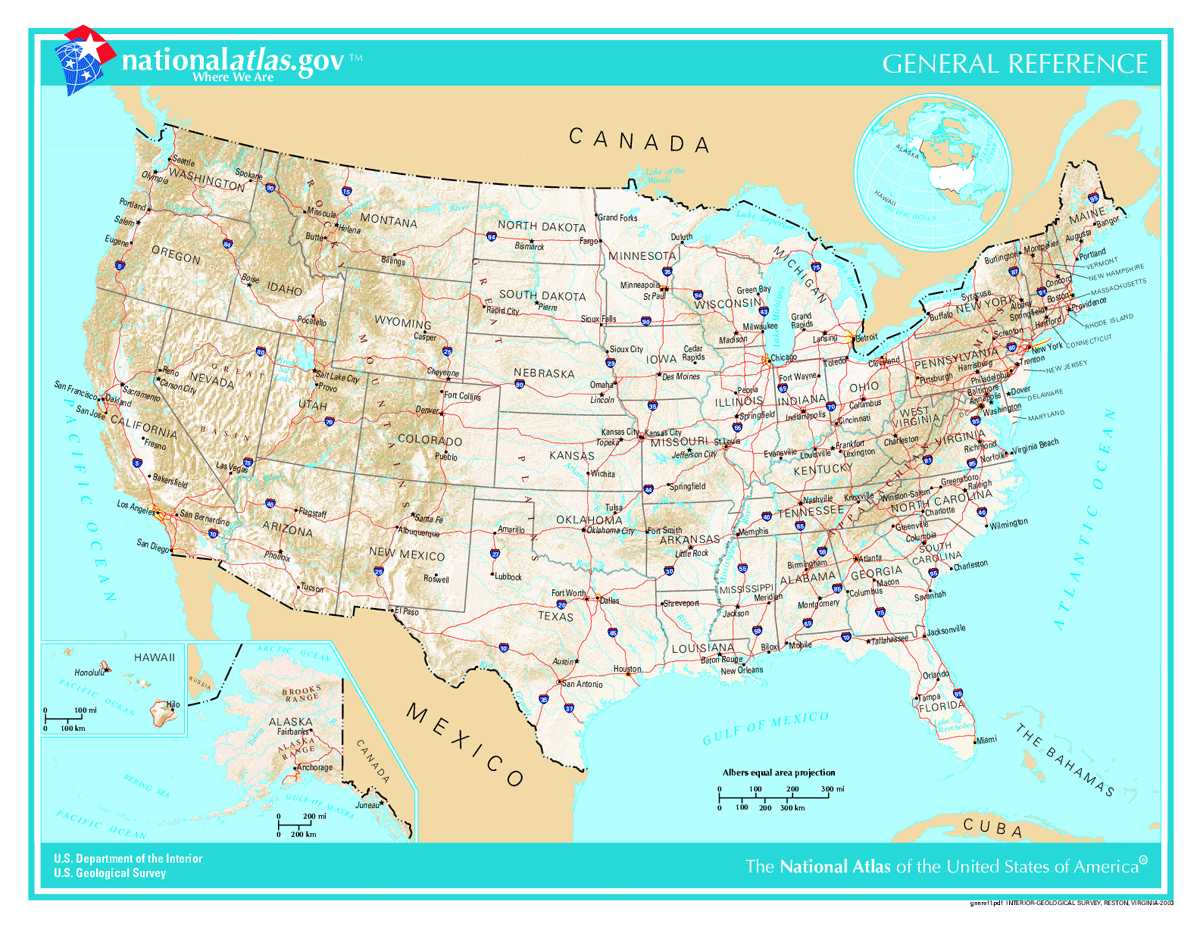
Atlanta sits at the literal and figurative crossroads of the American South. Far from being a traditional coastal port or a heavy industrial hub, Georgia's capital rose from a 19th-century railroad terminus into an economic and political powerhouse. Understanding where Atlanta is located geographically explains how it built its modern national footprint.
Geographically, Atlanta rests in the foothills of the southern Appalachian Mountains, right where the rolling piedmont terrain meets the coastal plain. This inland location spared it from early maritime dominance, but forced it to become an essential overland hub. Today, its rise challenges old assumptions about where American power resides, shifting economic and cultural weight away from traditional northeastern corridors directly into the modern Sun Belt.
The Geographic and Historical Blueprint of Atlanta
Long before it became a Fortune 500 capital, Atlanta’s exact coordinates were chosen by iron and steam. In 1837, planners selected a spot near the current downtown area to serve as the southern end of the Western and Atlantic Railroad.
- The Railroad Terminus: Originally named Terminus, the settlement grew because it bypassed the most grueling Appalachian mountain passes.
- The Logistics Node: Rail lines converged from Chattanooga, the Atlantic seaboard, and the fertile interior plains, turning the city into the primary distribution throat of the region.
- Reconstruction and Renewal: After burning to the ground during the Civil War, the city pivoted rapidly toward commercial reconciliation, adopting the "New South" ethos that prioritized commerce over past grievances.
This foundational infrastructure created a permanent transit advantage. When the federal highway system and commercial aviation arrived, Atlanta capitalized immediately. Hartsfield-Jackson Atlanta International Airport transformed those old rail advantages into global aviation supremacy, putting 80 percent of the United States population within a two-hour flight.
Economic Engine of the Modern Sun Belt
Atlanta's claim to national power rests on a diversified economy that avoids reliance on a single sector. While cities like Detroit tied their fortunes to manufacturing or Houston to oil, Atlanta built a multi-layered corporate ecosystem.
- Corporate Headquarters: Metro Atlanta hosts corporate giants like Delta Air Lines, The Home Depot, and Coca-Cola, anchoring the city as a top-tier destination for national business operations.
- Financial and Tech Hub: The region functions as the transaction processing capital of North America, managing a massive share of all credit card and digital payments through specialized financial technology firms.
- Higher Education Density: Institutions like the Georgia Institute of Technology and Emory University pump thousands of skilled engineers, researchers, and medical professionals into the local workforce every year.
This economic gravity pulls capital, talent, and policy discussions southward. Corporations move their headquarters here not just for favorable tax structures, but because the city offers a deep talent pool and massive logistical connectivity.
Cultural Capital and Political Leverage
Power in America is rarely just about corporate balance sheets; it requires cultural resonance and political agency. Atlanta mastered both through distinct historical phases.
During the mid-20th century, the city served as the spiritual and organizational headquarters of the American Civil Rights Movement. Leaders like Dr. Martin Luther King Jr. forged strategies on Auburn Avenue that permanently altered American democracy. That tradition of organized political participation laid the groundwork for decades of Black political leadership, starting with the election of Mayor Maynard Jackson in 1973.
On the cultural front, Atlanta dictates global trends. From shaping modern hip-hop through foundational artists like Outkast to driving contemporary film and television production through expansive studio infrastructure, the city exports its identity worldwide. When a city sets the nation's musical and stylistic tone, federal and corporate entities take notice.
Common Misconceptions About Atlanta's Rise
Observers often misinterpret how Atlanta achieved its status, leading to flawed geographic and economic theories.
- Mistake 1: Assuming it's a port city. Unlike Savannah or Charleston, Atlanta has no navigable river or ocean access. Its power comes from aviation, highways, and rail—not shipping docks.
- Mistake 2: Viewing it as an isolated southern town. Atlanta functions as a diverse, international metropolis with high foreign-born migration rates, making it distinct from surrounding rural areas.
- Mistake 3: Crediting luck instead of intentional infrastructure. The city's leaders intentionally invested in massive public-private projects, such as hosting the 1996 Centennial Olympic Games, to accelerate global recognition and modernize infrastructure.
For deeper context on how state institutions support this growth, you can review details from the Georgia Encyclopedia or explore economic initiatives via Select Georgia.
Frequently Asked Questions
Why is Atlanta considered the capital of the South if it is not the oldest city?
Atlanta isn't the oldest southern city, but it became the most functional. While historic port cities like Charleston relied on maritime trade, Atlanta engineered its geography into an unbeatable inland transport and corporate hub that outpaced older rivals.
How does Hartsfield-Jackson Airport contribute to Atlanta's national power?
As the world's busiest airport by passenger traffic for decades, it gives Atlanta direct access to nearly every major domestic market within hours. This makes the city an irresistible base for national conventions, logistics operations, and corporate travel.
What role did the Civil Rights Movement play in Atlanta's political influence?
The movement established Atlanta as a trusted center for moral leadership and organized civic action. The political coalitions formed during that era enabled a stable, progressive municipal leadership that later attracted major investments and national political attention.
Is Atlanta's economic growth dependent on a single industry?
No. Unlike cities reliant on oil, tourism, or manufacturing alone, Atlanta balances aviation, technology, fintech, higher education, logistics, and entertainment media into a resilient, diversified economy.



