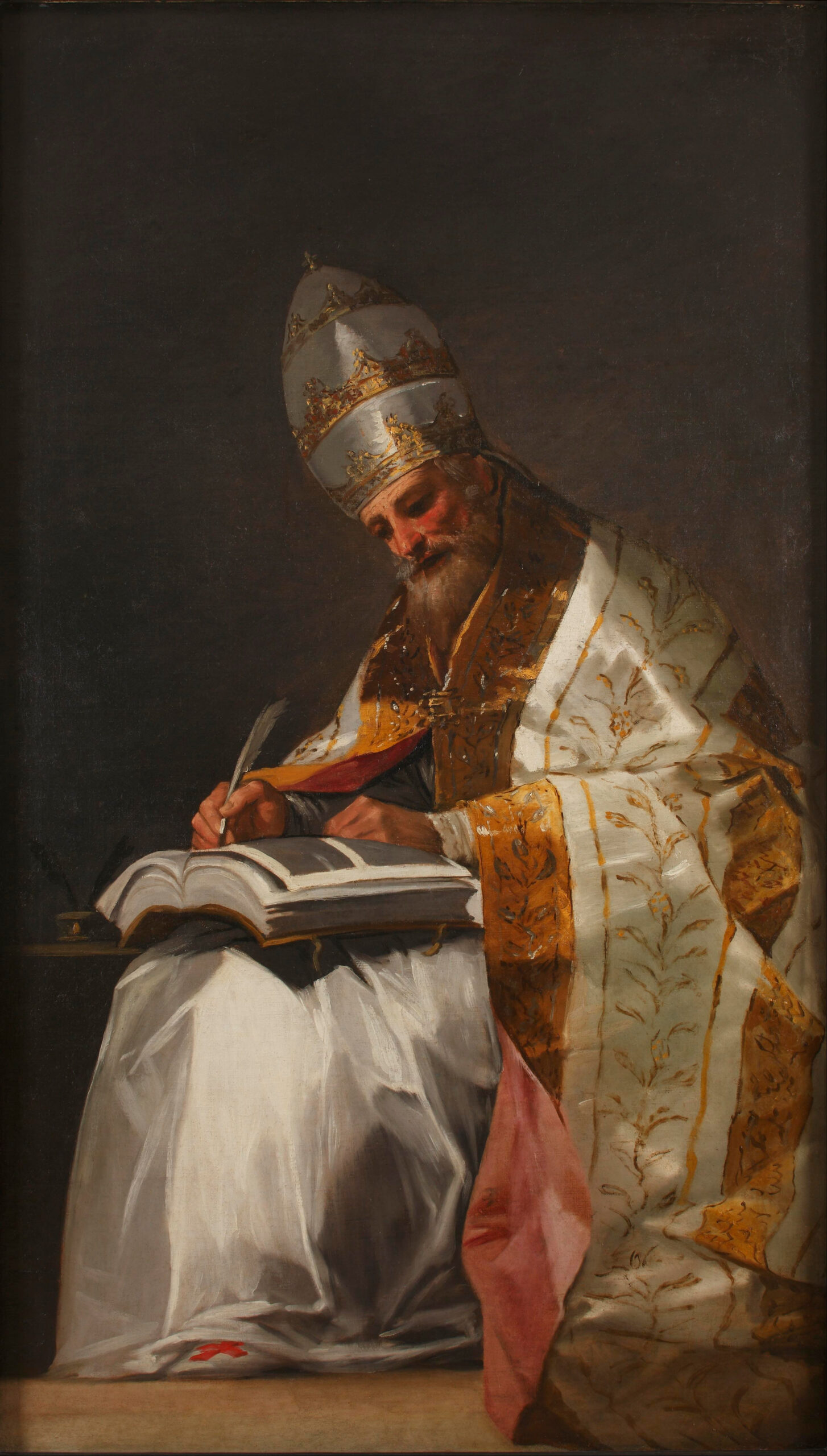
When people wonder where the Pope lives, they usually picture the grand, frescoed halls of the Vatican Apostolic Palace. Yet, modern papal living arrangements challenge that traditional assumption. Popes aren't locked away in a single ivory tower. Instead, their living quarters reflect a mix of heavy administration, historical shifts, and personal choice.
The primary official residence of the pontiff is the Apostolic Palace, situated in Vatican City. However, recent papacies show that living choices vary. Understanding where the head of the Catholic Church resides requires looking past the tourist brochures to examine the actual buildings, historical properties, and daily realities of papal life.
The Apostolic Palace: The Official Papal Residence
The Apostolic Palace—also called the Papal Palace or the Vatican Palace—serves as the official administrative and historical residence of the Pope. Located directly north of St. Peter's Basilica, this massive complex covers roughly 162,000 square meters and contains over 1,000 rooms.
Construction on the current structure began in the late 15th century under Pope Nicholas V and continued through successive centuries, incorporating work from master architects and artists like Bramante, Michelangelo, and Raphael. Within its walls, you'll find the famous Sistine Chapel, the Raphael Rooms, the Vatican Apostolic Library, and the official papal apartments.
Despite being the designated official home, modern pontiffs haven't always slept there. Popes traditionally used the third-floor apartment of the Apostolic Palace for sleeping, working, and receiving state leaders. Yet, the vast size and ceremonial weight of the building mean it functions more today as a workspace, museum hub, and diplomatic reception center than a cozy private home.
Casa Santa Marta: A Modern Departure From Tradition
Breaking centuries of tradition, Pope Francis chose not to live in the papal apartments of the Apostolic Palace. Instead, he took up residence in the Domus Sanctae Marthae (Casa Santa Marta), a modern guesthouse built inside Vatican City in 1996.
Originally constructed under Pope John Paul II to house cardinal electors during a papal conclave, Casa Santa Marta functions like a modest hotel or community residence. Pope Francis opted for a two-room suite here to maintain a simpler lifestyle, eat in a communal dining hall, and interact daily with visiting clergy, staff, and residents. This choice proved that a pope's official residence doesn't dictate where he actually sleeps and works on an ordinary Tuesday.
To understand how Vatican administration operates around these choices, you can read more about the Holy See.
Castel Gandolfo: The Traditional Summer Retreat
When the Roman summer heat peaks, popes historically left the Vatican walls entirely. Castel Gandolfo, a small town located about 25 kilometers southeast of Rome, houses the Pontifical Palace of Castel Gandolfo, which served as the traditional summer residence for centuries.
Perched over Lake Albano, the estate spans roughly 55 hectares—making it larger than Vatican City itself. It includes a working farm, formal gardens, and a palace that hosted pontiffs seeking cooler air and quiet seclusion. Pope Francis famously opened parts of the palace and its extensive gardens to the public as a museum space, shifting away from exclusive papal use, though it remains available for papal visits.
Historical Shifts: Where Did Popes Live Before?
The Vatican wasn't always the undisputed home of the papacy. The location of the papal residence shifted dramatically across the centuries due to political conflict, fires, and safety concerns:
- The Early Centuries and the Lateran Palace: From the 4th century until the 14th century, the official residence of the popes was the Lateran Palace in southeast Rome, not the Vatican. The Emperor Constantine donated the land, and it stood as the seat of the papacy through numerous medieval conflicts.
- The Avignon Papacy: Between 1309 and 1377, the papacy relocated entirely to Avignon, France, under the influence of the French crown. Popes lived in the massive Palais des Papes during this controversial period before returning to Rome.
- Return to the Vatican: Upon returning to Rome, the Lateran Palace had suffered severe damage from catastrophic fires. Popes temporarily stayed at various locations like Santa Maria in Trastevere and Santa Maria Maggiore before permanently establishing the Vatican and the Apostolic Palace as the primary seat of power.
For deeper context on European history and architecture, you can explore resources provided by Encyclopaedia Britannica.
Common Misconceptions About Papal Living
A lot of fiction and rumor surrounds daily life inside Vatican City. Clearing up these misconceptions reveals a much more practical reality:
- Myth: The Pope is locked away in a hidden fortress. While Vatican City is a sovereign, walled city-state, its interior administrative areas are quite active. Popes meet daily with officials, diplomats, and ordinary citizens.
- Myth: The Pope owns all the art he lives around. The masterpieces inside the Apostolic Palace, including the Sistine Chapel frescoes, belong to the cultural heritage of the church and humanity, managed largely by the Vatican Museums rather than serving as private decor.
- Myth: Popes never leave Vatican City. Pontiffs frequently travel internationally, visit local parishes in Rome, and vacation at historical retreats.
Frequently Asked Questions
Can tourists visit the Pope's private apartment?
No. The private papal apartments inside the Apostolic Palace are closed to the general public. However, large portions of the surrounding palace, including the Vatican Museums, Raphael Rooms, and Sistine Chapel, are open for ticketed visitors.
Who pays for the Pope's living expenses?
The Vatican handles basic operational and administrative expenses through the Holy See's budget, which is funded by donations (such as Peter's Pence), museum ticket sales, and investments managed by the Administration of the Patrimony of the Apostolic See.
Is Vatican City its own independent country?
Yes. It became an independent city-state in 1929 following the signing of the Lateran Treaty between the Holy See and the Kingdom of Italy. The Pope acts as both the head of the Catholic Church and the absolute sovereign of the state.
Does the Pope have a private kitchen?
At Casa Santa Marta, the Pope shares a communal dining hall with other residents and visiting clergy. When popes historically resided in the main Apostolic Palace apartments, they employed dedicated culinary staff to prepare meals in private kitchens.



