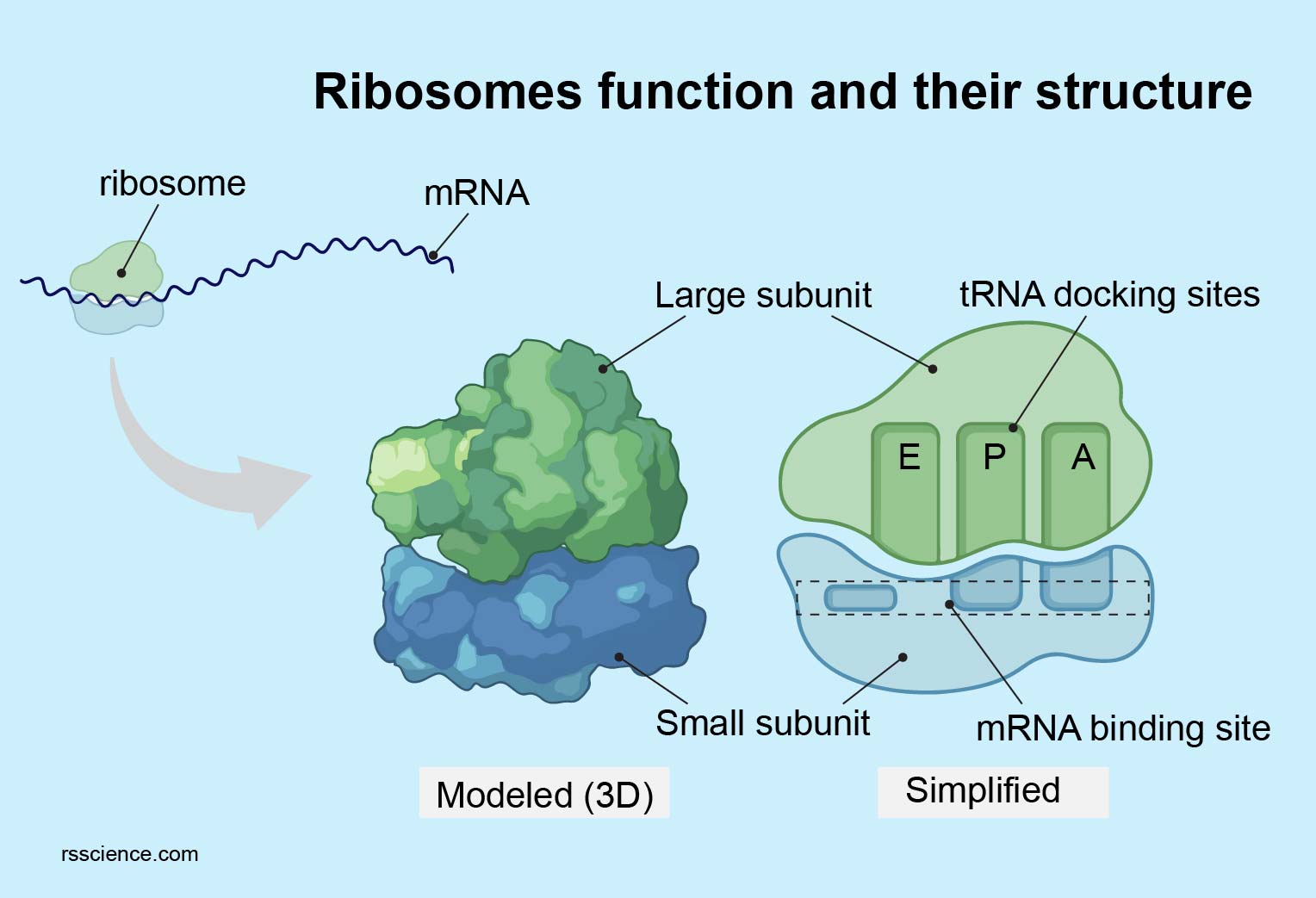
Ribosomes are manufactured inside the nucleolus, a dense, membrane-free structure located within the nucleus of eukaryotic cells. While the nucleus gets the credit for holding genetic instructions, this specialized sub-compartment acts as a dedicated assembly plant. Here, ribosomal RNA is transcribed, combined with ribosomal proteins imported from the cytoplasm, and packaged into nascent subunits ready for export.
Understanding where ribosomes are made requires tracing a multi-step cellular journey from DNA to functional molecular machines. This process involves precise coordination between the nucleus, the nucleolus, and the cytoplasm, ensuring that every cell can manufacture the proteins necessary for survival, growth, and repair.
The Nucleolus: The Cellular Factory Floor
The nucleolus isn't an organelle wrapped in its own lipid bilayer; it's a dense aggregate of macromolecules, including RNA, DNA loops, and proteins. Under a microscope, it appears as a dark, round spot inside the nucleus. Its primary purpose is the synthesis of ribosomal subunits.
Cells can contain one or several nucleoli depending on their metabolic activity. Cells that produce large quantities of proteins—such as pancreatic cells or growing oocytes—often feature prominent nucleoli because they need to churn out thousands of ribosomes every minute to meet cellular demand.
Inside this specialized region, tandem repeats of ribosomal DNA genes act as the blueprints. Specialized enzymes transcribe these genes into ribosomal RNA, laying the foundation for all future protein production.
Step-by-Step Breakdown of Ribosome Assembly
Ribosome biogenesis is one of the most energetically expensive tasks a cell performs. It requires intricate coordination between different cellular compartments and hundreds of protein factors.
1. Transcription of Ribosomal RNA
The process starts at specific chromosomal regions known as nucleolar organizer regions. RNA polymerase I transcribes the majority of ribosomal RNA genes into a large precursor molecule. Meanwhile, RNA polymerase III transcribes a smaller specific component outside the dense fibrillar component.
2. Import of Ribosomal Proteins
While RNA is being transcribed inside the nucleolus, ribosomal proteins are synthesized elsewhere. Messenger RNA encoding these proteins travels from the nucleus to the cytoplasm, where ribosomes in the cytoplasm translate them. Once built, these ribosomal proteins are imported back through nuclear pores into the nucleolus to meet the newly minted RNA strands.
3. Assembly and Modification
Inside the nucleolus, the newly transcribed RNA molecules undergo chemical modifications and cleavage. They bind with the imported proteins to form two distinct pieces: the large subunit and the small subunit.
4. Export to the Cytoplasm
Once the large and small subunits are independently assembled, they cannot function while joined inside the nucleus. They are actively exported separately through nuclear pore complexes into the cytoplasm. Only when they encounter messenger RNA in the cytoplasm do they lock together to begin translating proteins.
Differences Between Eukaryotic and Prokaryotic Cells
The location and complexity of ribosome production vary significantly between simple and complex organisms.
In eukaryotic cells, the process relies heavily on the nucleolus and nuclear membrane separation. Because eukaryotes store their DNA inside a distinct nucleus, transcription and assembly happen behind a physical barrier before subunits move out to the cytoplasm.
Prokaryotic cells, such as bacteria, lack a nucleus and a nucleolus entirely. In these single-celled organisms, transcription of ribosomal RNA and assembly of subunits take place directly in the cytoplasm. Because there are no membranes separating DNA from the rest of the cell, translation can even begin on a messenger RNA molecule while it is still being transcribed from the DNA template.
You can learn more about fundamental cellular architecture through resources provided by the National Human Genome Research Institute.
Common Misconceptions About Ribosome Production
Many students and science enthusiasts confuse where ribosomes are made with where they perform their function.
- Misconception: Ribosomes are made in the cytoplasm.
- Reality: Only the individual proteins that make up ribosomes are built in the cytoplasm. The final assembly of the complete subunits happens inside the nucleolus.
- Misconception: Ribosomes stay fixed in one place.
- Reality: Once exported to the cytoplasm, ribosomes can float freely in the cytosol or attach to the endoplasmic reticulum, shifting locations based on the specific destination of the proteins they synthesize.
For a deeper look into molecular machinery and cellular structures, consult guides from the National Center for Biotechnology Information.
Frequently Asked Questions
What happens to the nucleolus during cell division?
During mitosis, the nucleolus temporarily disassembles as transcription shuts down. Once cell division is complete, the nucleolar organizer regions trigger the re-formation of a new nucleolus in each daughter cell.
Are ribosomes considered organelles?
Strictly speaking, no. Ribosomes lack a surrounding membrane, which distinguishes them from membrane-bound organelles like mitochondria or the Golgi apparatus. They are complex macromolecular machines.
Why do some cells have multiple nucleoli?
Cells with high metabolic demands for protein synthesis—such as rapidly dividing cells or specialized secretory cells—often contain multiple nucleoli to accelerate the production of ribosomal subunits.
How fast can a cell make a ribosome?
In actively growing yeast cells, the cell produces roughly 2,000 ribosomes per minute, requiring an immense amount of transcriptional and assembly coordination.