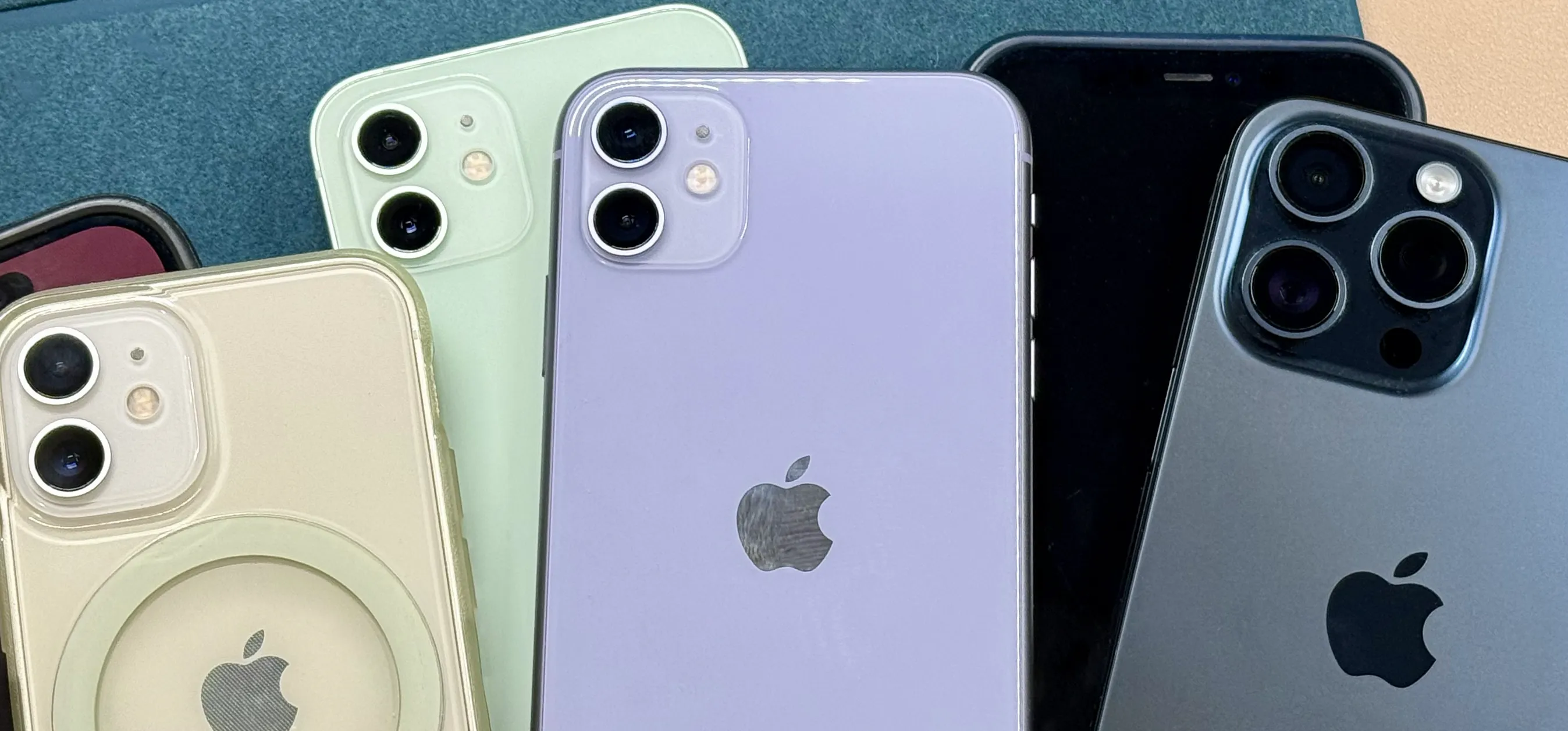
When you unbox a new smartphone, the text on the back reads "Designed by Apple in California, Assembled in China." That simple phrase hides one of the most complex industrial networks in human history. Building a single pocket-sized device requires raw materials, advanced silicon, precision engineering, and software integration drawn from dozens of countries.
The short answer is that iPhones are engineered in the United States, built from parts sourced across more than sixty nations, and primarily assembled in massive factories located in China, alongside expanding operations in India and Vietnam. Understanding how these pieces move from mines and labs to retail shelves reveals the realities of modern manufacturing.
The Myth of Single-Country Manufacturing
Many people assume a major tech company builds its products inside one walled factory from start to finish. In reality, Apple doesn't own most of the plants that make its hardware. Instead, the corporation acts as an orchestrator, contracting specialized manufacturing giants like Foxconn, Pegatron, and Luxshare to handle physical production.
The process splits into three distinct phases:
- Research and Design: Software architecture, industrial design, and chip prototyping happen primarily at Apple Park in Cupertino, California.
- Component Fabrication: Specialized microchips, screens, camera lenses, and batteries are built by independent tech firms.
- Final Assembly: Thousands of tiny parts converge in massive assembly plants where workers and automated robots put the final device together.
Where iPhone Components Come From
Before an iPhone can be assembled, its raw elements and high-tech parts travel thousands of miles. No single nation possesses all the specialized industries required to build a modern smartphone.
Semiconductors and Silicon
The brains of the device—the A-series and Pro series processors—start as architectural blueprints in California. However, the physical chips are etched onto silicon wafers by Taiwan Semiconductor Manufacturing Company (TSMC) in Taiwan, utilizing advanced lithography machines imported from ASML in the Netherlands.
Displays and Optics
The vivid OLED screens often come from South Korean manufacturing plants operated by Samsung and LG. Camera sensors and optical modules frequently originate from companies in Japan, such as Sony, which supplies the primary image sensors for generations of smartphone cameras.
Raw Materials and Minerals
Deep inside every logic board and battery lie rare earth elements, cobalt, lithium, and aluminum. These raw materials are mined across the globe, including countries in Africa, South America, and Southeast Asia, before being refined and shipped to component fabricators.
According to official data from Apple's Supply Chain disclosures, thousands of supplier facilities operate across more than 60 countries to support the entire product lifecycle.
The Heart of Assembly: China's Industrial Cities
While components travel from everywhere, final assembly has historically centered on China. The concentration of skilled labor, government-backed infrastructure, and immediate proximity to component suppliers allowed factories to scale up production at speeds unmatched elsewhere.
The most famous of these hubs is the massive Foxconn complex in Zhengzhou, China—often called "iPhone City." At peak production cycles, this sprawling campus employs hundreds of thousands of workers and can churn out hundreds of thousands of devices per day. Similar mega-factories operate in Shenzhen and Chengdu, managed by partners like Pegatron and Luxshare.
This deep reliance on a single geographic region, however, exposed vulnerabilities during recent global disruptions, labor strikes, and geopolitical shifts.
The Shift Toward Diversification: India and Vietnam
To protect against supply chain bottlenecks and geopolitical tensions, Apple has aggressively diversified its manufacturing footprint. The goal isn't to abandon established hubs completely, but to spread risk across multiple regions.
- India: Partner facilities operated by Foxconn, Pegatron, and Tata Electronics now assemble millions of units annually, ranging from older models to the latest flagship Pro variants. India now accounts for a growing percentage of global iPhone production.
- Vietnam: This region has become a primary manufacturing base for accessories, iPads, and audio gear like AirPods, while expanding capacity for assembling select smartphone components.
This multi-hub model changes how international trade operates, requiring complex logistics networks to coordinate parts between China, India, Vietnam, South Korea, and the United States.
Common Misconceptions About Tech Manufacturing
Popular discussions around smartphone production often repeat outdated assumptions.
One common myth is that phones could easily be built entirely inside the United States if companies chose to do so. While some automated component fabrication and final quality testing occur domestically, the U.S. lacks the massive ecosystem of adjacent component suppliers, tooling workshops, and localized manufacturing labor forces required to scale production of millions of complex units within weeks.
Another misconception is that "Assembled in China" means Chinese companies design and own the product. Apple maintains strict intellectual property control, proprietary software systems, and custom silicon designs, meaning assembly partners act strictly as execution contractors rather than creators.
Frequently Asked Questions
Why aren't iPhones assembled in the United States?
While Apple designs products in California, assembling them domestically is hindered by a lack of localized component suppliers, specialized factory labor pools, and the integrated supply chain infrastructure that currently exists in East Asia.
Does Apple own the factories where iPhones are built?
No. Apple relies on contract manufacturers like Foxconn, Pegatron, and Luxshare to run the day-to-day operations of the assembly plants. Apple sets the design, engineering specifications, and quality control standards.
Which country makes the most expensive parts of an iPhone?
The most valuable parts—the microprocessors and display panels—are primarily manufactured in Taiwan and South Korea using advanced technology and precision machinery.
Are iPhones made in India identical to those made in China?
Yes. Every manufacturing facility, regardless of country, must follow identical engineering blueprints, quality thresholds, and software testing protocols established by Apple.



