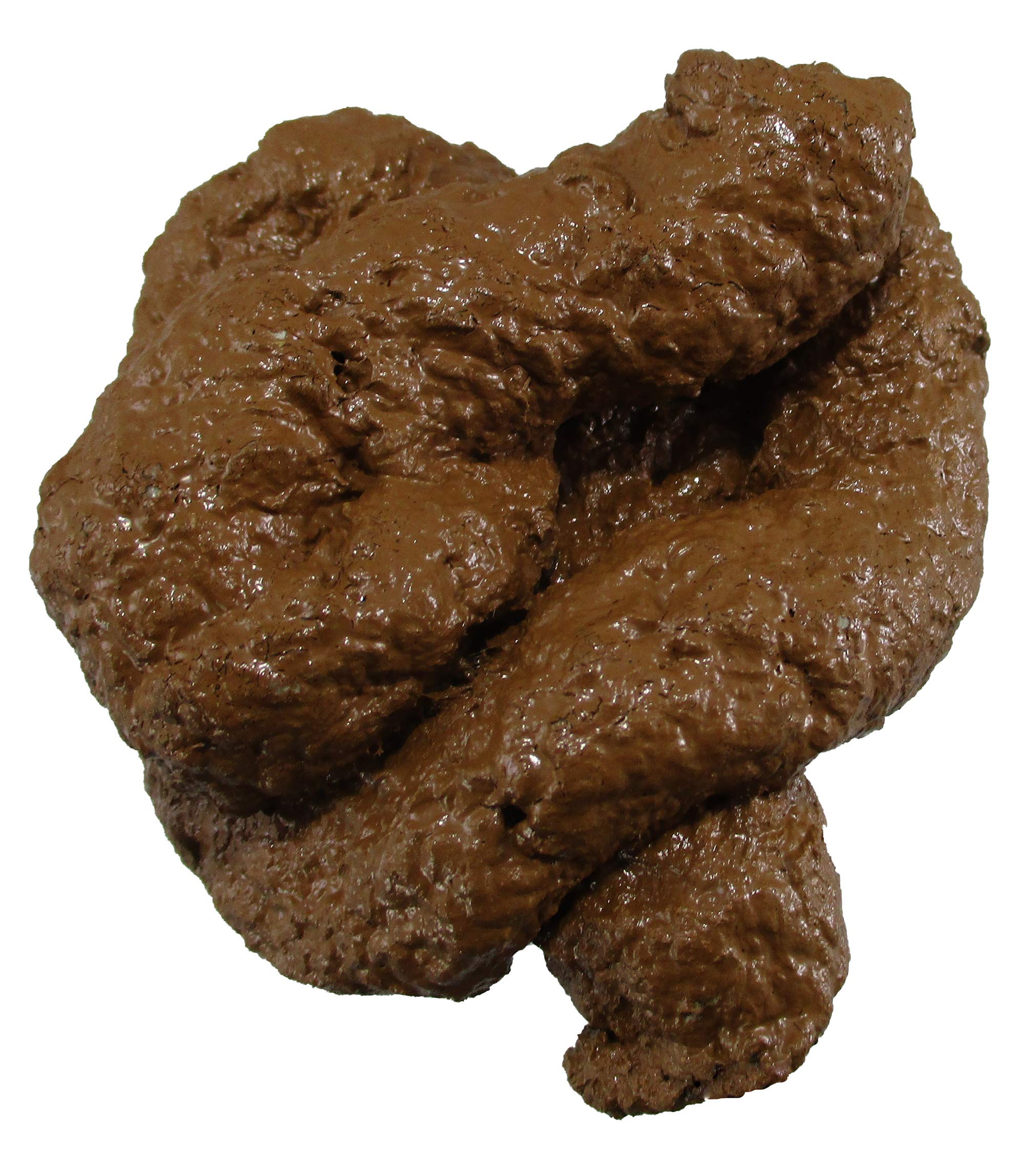
When the pressure mounts and everything falls apart, people reach for the exact same idiom: when shit hits the fan. While the expression sounds vulgar, it serves as a universal shorthand for sudden, catastrophic chaos. Its modern permanence in pop culture, however, owes a massive debt to writer Justin Halpern and his 2009 Twitter account and subsequent book, Shit My Dad Says. Beyond the crude humor, Halpern's viral sensation highlighted deep psychological truths about how humans process stress, communicate through dark times, and bond over shared absurdity.
The primary keyword behind this phenomenon, when shit hits the fan, explores the intersection of raw colloquialism and human psychology. Examining how a casual fatherly outburst transformed into a digital milestone reveals why coarse humor resonates so deeply during high-stress moments.
The Etymology and Evolution of the Phrase
Long before Justin Halpern made it a household title, variants of the idiom circulated in industrial and military circles. Etymologists trace the visual metaphor to mid-20th-century American folklore, where it described an uncontained mess spreading rapidly through a ventilation system. The imagery is visceral: instantaneous, impossible to clean up, and inescapable once triggered.
When Halpern launched his Twitter feed in 2009, he didn't invent the idiom, but he weaponized it as a narrative framing device. His father, Sam Halpern (often referred to as the inspiration for the persona), possessed an unfiltered, blunt worldview. By capturing unfiltered parental pragmatism, Halpern tapped into a linguistic craving for authenticity. The phrase shifted from a niche shop-floor warning into a cultural touchstone representing the chaotic unpredictability of modern life.
The Psychology of Coping Through Crude Humor
Why do people resort to profanity and dark humor precisely when things fall apart? Psychological research indicates that swearing acts as a natural analgesic, helping individuals manage physical and emotional pain. When a crisis hits, the brain’s amygdala triggers a fight-or-flight response, flooding the system with cortisol and adrenaline.
Using phrases like when shit hits the fan serves several cognitive functions:
- Emotional Discharge: Profane idioms provide an immediate pressure valve for pent-up frustration, lowering perceived stress levels.
- Reframing Control: Labeling a disaster with dark humor strips the situation of its intimidating solemnity, making an overwhelming problem feel manageable.
- Social Bonding: Shared laughter or mutual recognition of absurd misfortune fosters instant solidarity among peers facing the same crisis.
Humor acts as a psychological defense mechanism. By acknowledging the worst-case scenario in blunt terms, individuals stop fighting reality and start planning their recovery.
Why Justin Halpern's Approach Went Viral
In the early days of Twitter, most content relied on curated polish or mundane status updates. Halpern's feed disrupted the platform because it offered zero filters. Sam Halpern’s advice didn't sound like a self-help guru; it sounded like an exhausted, pragmatic older man who had seen enough of the world to cut through nonsense.
This unfiltered realism struck a chord because modern communication often feels over-sanitized. When public figures and brands speak in corporate jargon, raw idioms cut through the noise. Halpern proved that people crave blunt honesty, even if it's delivered with rough edges. The success of Shit My Dad Says—which spawned a television adaptation starring William Shatner—proved that audiences were hungry for humor that didn't sugarcoat reality.
The Linguistic Impact of Internet Folklore
Internet culture accelerates the life cycle of idioms. A phrase introduced in a book or television show can cross into global vernacular within hours through memes and retweets. Halpern’s work anticipated the modern era of micro-content, where bite-sized observations replace traditional narrative structures.
Linguists note that viral catchphrases survive only when they fill an expressive gap in the language. When shit hits the fan survived because standard English lacks a clean, single-word synonym that captures sudden, multi-faceted systemic failure. Terms like "emergency" or "crisis" feel clinical, whereas the idiom captures the messy, unpredictable nature of actual disasters.
Common Mistakes in Understanding Crisis Communication
When analyzing how people communicate during high-stakes situations, observers often make predictable errors:
- Dismissing Profanity as Laziness: Critics often assume that using crude language indicates a lack of vocabulary. In reality, psychological studies show that individuals with rich vocabularies are often more fluent in using taboo words for effective emotional expression.
- Treating Humor as Denial: Laughing at a disaster isn't always avoidance. Often, it's a deliberate strategy to maintain morale and cognitive clarity while under fire.
- Assuming Viral Success is Accidental: While Halpern's initial tweet was spontaneous, sustaining a cultural footprint requires recognizing underlying emotional truths about family dynamics and generational friction.
Frequently Asked Questions
Where did the phrase when shit hits the fan originate?
While exact origins are debated, the phrase gained widespread traction in American English during the mid-20th century, drawing on industrial imagery of rotary fans and airborne debris.
Why do people use profanity during stressful events?
Profanity activates the brain's fight-or-flight response, triggering endorphin releases that help reduce perceived pain and psychological distress.
What was Justin Halpern's primary contribution to the phrase?
Justin Halpern didn't invent the idiom, but his viral platform popularized a specific brand of unfiltered, paternal pragmatism that cemented the phrase in modern digital pop culture.
How does dark humor help teams handle crises?
Dark humor acts as a social leveling mechanism, reducing anxiety, building psychological safety, and allowing teams to confront harsh truths without panicking.



