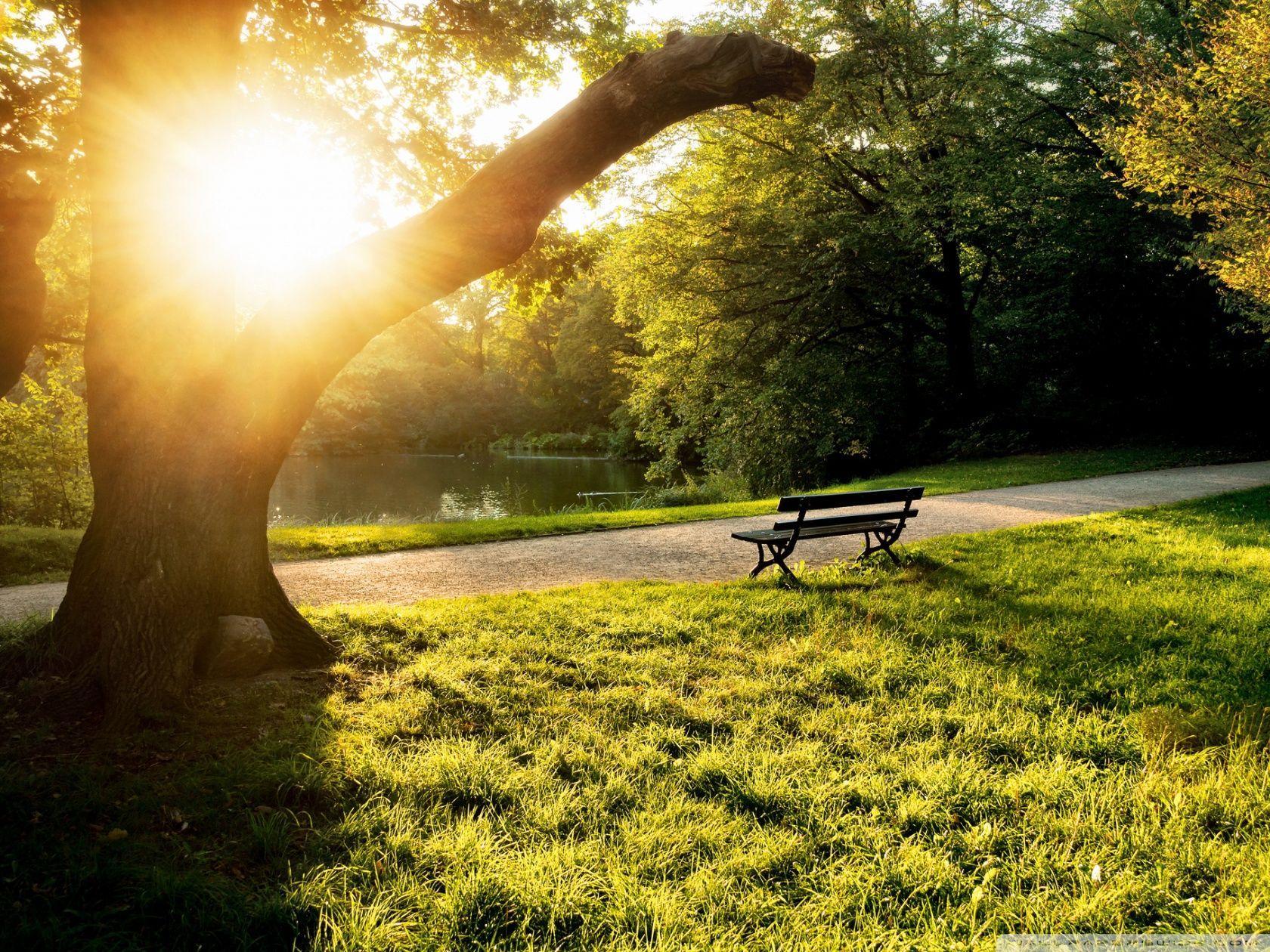
When does the morning end and the afternoon begin? While clocks dictate that the afternoon starts precisely at 12:00 PM, human biology, solar position, and cultural habits tell a completely different story. For some, the afternoon begins with the post-lunch slump at 1:00 PM; for others, it doesn't kick off until 3:00 PM.
Pinpointing the exact boundaries of the afternoon requires looking past the digital clock. From physiological circadian rhythms to historical work structures, the transition between morning and evening is far more fluid than standard timekeeping suggests.
The Standard Clock Definition
Standard timekeeping divides the 24-hour day into four distinct quadrants, assigning fixed hourly blocks to each segment.
- Morning: 6:00 AM to 12:00 PM
- Afternoon: 12:00 PM to 6:00 PM
- Evening: 6:00 PM to 9:00 PM
- Night: 9:00 PM to 6:00 AM
Under this conventional framework, the afternoon begins the second the clock strikes 12:00 PM (noon). The word itself stems from Old English, meaning the period after noon. Business standards often shift this window slightly, treating the official business afternoon as running from 1:00 PM to 5:00 PM, following the midday meal.
While these rigid boundaries help synchronize global commerce, transportation schedules, and broadcast programming, they fail to match real-world human experience. Light conditions change gradually, and human energy levels peak and trough independently of mechanical time.
The Biological Shift and the Post-Lunch Dip
Chronobiology—the study of biological rhythms—shows that internal human clocks dictate our perception of daily phases.
The most prominent physiological marker of the midday transition is the post-lunch dip, a natural drop in alertness typically occurring between 1:00 PM and 3:00 PM. According to research from the National Institutes of Health, core body temperature dips slightly during this window, accompanied by a minor surge in melatonin production.
Because of this biological slump, many people experience the true beginning of their afternoon not as a sudden burst of activity at noon, but as a slow recovery from midday fatigue. For night owls, whose circadian phase is delayed by several hours, cognitive peak doesn't align with the standard afternoon window at all, pushing their productive afternoon hours much later into the day.
Cultural and Regional Variations in Time Perception
Different societies divide the daylight hours based on climate, labor traditions, and social structures rather than strict clock hours.
The Mediterranean Siesta Tradition
In regions with high midday temperatures, such as parts of Spain, Greece, and Latin America, the day is traditionally structured around the sun's peak intensity. Morning extends well past noon, often lasting until 2:00 PM or 3:00 PM. The afternoon begins later, following a scheduled break or rest period, and stretches deeper into the evening hours when temperatures drop.
The Industrial 9-to-5 Legacy
The modern concept of a uniform afternoon was largely cemented by the rise of industrial labor laws and office work in the 19th and 20th centuries. Standardizing working hours created a shared cultural experience where the afternoon became synonymous with the second half of the workday. Even as remote work and flexible schedules replace traditional offices, the cultural blueprint of the post-lunch work grind remains dominant.
Environmental Triggers: Solar Noon vs. Clock Noon
Clocks are human inventions, but solar time is governed by the Earth's rotation. Solar noon occurs when the sun reaches its highest point in the sky for any given location.
Because standard time zones group large geographic areas into single time zones, solar noon rarely matches 12:00 PM on a clock. In the western edge of a time zone, solar noon might happen at 12:45 PM. Consequently, the literal "afternoon" (the time after the sun passes its zenith) begins much later than the clock indicates.
Human intuition often responds to environmental markers rather than digital displays:
- Shadow Length: Longer, eastward-stretching shadows indicate the descent of the sun.
- Light Temperature: The harsh white light of midday shifts toward a warmer, golden tone.
- Acoustic Changes: Ambient city noise patterns shift from frantic morning commuting sounds to steady operational hums.
Practical Implications for Productivity
Recognizing that the afternoon is a variable construct helps with structuring daily tasks. Trying to force high-level analytical focus during the physiological post-lunch dip often leads to frustration and errors.
Many productivity experts advocate aligning tasks with biological energy phases rather than the clock:
- Late Morning: Reserve for deep analytical work, complex problem-solving, and decision-making.
- Early Afternoon (1:00 PM - 3:00 PM): Dedicate to routine administrative tasks, email management, or collaborative meetings where low individual energy is offset by group interaction.
- Late Afternoon (3:00 PM - 5:00 PM): Utilize a secondary recovery of energy for creative brainstorming or planning the following day.
Frequently Asked Questions
Is 12:00 PM considered morning or afternoon?
12:00 PM is strictly defined as noon, which marks the exact boundary between morning (ante meridiem, or before midday) and afternoon (post meridiem, or after midday).
Why does the afternoon feel shorter in the winter?
In winter months, shorter daylight hours compress the visible transition between solar noon and sunset. Because the sun sets earlier, the afternoon phase merges rapidly into evening, making the psychological window feel abbreviated.
Does afternoon end at 5:00 PM or 6:00 PM?
It depends on context. Socially, the transition to evening often aligns with the end of the standard workday (5:00 PM) or the evening meal time. Meteorologically and culturally, evening is frequently marked by sunset, which varies radically by season.
How do different languages define the afternoon?
Many languages use descriptive terms rather than arbitrary numbers. For example, some Romance languages divide the post-noon period based on the gradual cooling of the air, emphasizing environmental transitions over mechanical time.



