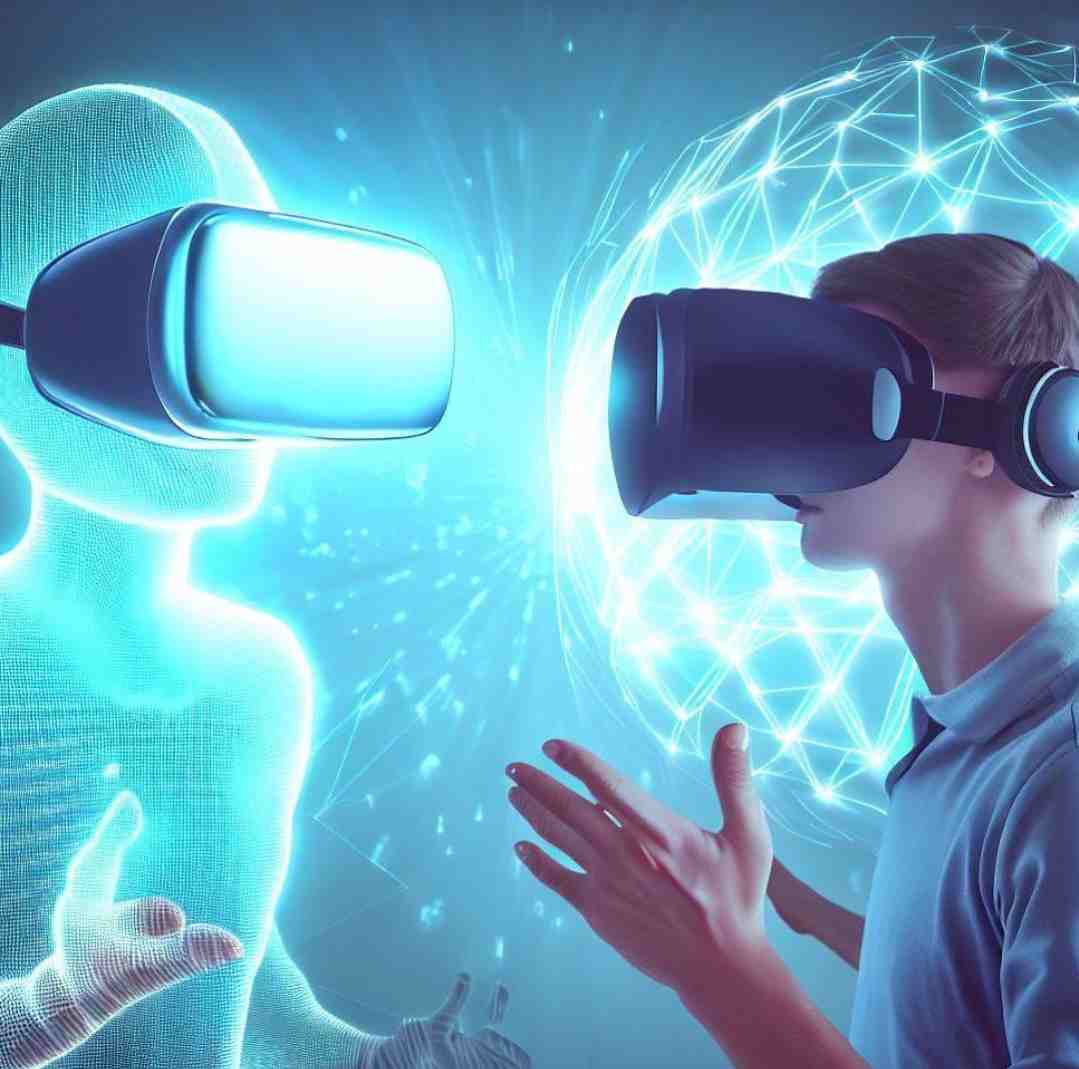
The word virtual gets attached to everything today. Meetings, assistants, currencies, and entire worlds carry the label. Yet when people throw the term around, they often treat it as a synonym for fake, temporary, or intangible. That assumption misses the point entirely.
At its core, virtual means something functions in effect or essence, even if it lacks the traditional physical form. It isn't the opposite of real. Instead, it describes an object, environment, or system created or sustained through software to mimic physical utility. Understanding the term requires stripping away marketing hype and looking at how linguistics, computer science, and daily operations actually use it.
The Linguistic Roots of Virtual
Long before computers existed, the word lived in philosophy and physics. Derived from the Medieval Latin virtualis—rooted in virtus, meaning strength or virtue—it originally described something possessing the power to act or produce an effect without being physically present in that exact form.
If a senior executive held all the power while a figurehead sat in the front office, historical writers might call that person a virtual leader. They carried the force of the role without holding the literal title.
Over centuries, that meaning shifted. When computing emerged, engineers needed a word for resources that acted like physical hardware while existing only as code. They borrowed the linguistic concept. A file stored in a remote data center functions just like a piece of paper in a physical filing cabinet, so engineers called it virtual. The effect is real, even if the physical touchpoints differ.
How Computing Defined Modern Usage
In technology, the term splits into two distinct categories: software-simulated entities and remote operations. Neither means "fake."
Simulated Hardware and Environments
A virtual machine isn't a toy. It is an isolated software container running an entire operating system inside another operating system. Using software like Oracle VM VirtualBox, a computer can run Linux on top of a Windows host machine. The hardware resources—CPU cores, memory, and storage—are partitioned by a hypervisor. To the operating system inside that window, the hardware feels completely physical.
Similarly, virtual memory uses storage drive space as an extension of physical RAM. When an application demands more memory than the physical sticks can provide, the system shifts idle data to the drive. Programs run smoothly because the software tricks the system into acting as though extra physical memory exists.
Remote and Networked Spaces
When companies talk about virtual teams or virtual offices, the meaning shifts toward geography and interface. A virtual assistant doesn't exist as a hologram; they are a human being working remotely via internet protocols. A virtual meeting uses video and audio compression over internet infrastructure to simulate a face-to-face conference room. The interaction is real, but the physical proximity is absent.
Common Misconceptions About Virtual Systems
Marketing departments love to use technical terms to make ordinary products sound futuristic. This creates persistent myths.
- Myth: Virtual means it doesn't really exist. Data stored on cloud platforms occupies physical servers in vast warehouses filled with spinning disks and flash storage. The management layer abstracts the physical location away from you, but the hardware demands electricity, cooling, and maintenance.
- Myth: Virtual reality is an illusion of the mind. While virtual reality headsets trick your visual cortex by displaying stereoscopic images at high refresh rates, your inner ear and brain process those signals intensely. That is why motion sickness occurs in simulated environments—your body reacts physically to spatial data that your eyes feed it.
- Myth: Virtual equals cloud. While cloud computing relies heavily on virtualization, a virtual environment can run entirely offline on a single local laptop. Virtualization is a software technique, whereas cloud computing is a delivery model for network services.
Why the Distinction Matters Today
Precision in language protects users from paying premium prices for ordinary software repackaged with buzzwords. When a service provider labels a standard database backup as a "virtual vault," they are using marketing language to describe routine data redundancy.
Recognizing what the term actually implies helps developers, system administrators, and everyday users evaluate tools accurately. When you configure a server partition, understand a memory allocation table, or join a remote call, you are working with systems designed to maximize efficiency through abstraction.
Frequently Asked Questions
Is a virtual currency the same as digital money?
Not quite. All virtual currencies are digital, but not all digital money is virtual. Traditional bank balances stored in online accounts are digital fiat currency. Virtual currency, such as closed-loop credits inside a video game, often operates independently of sovereign banking systems and lacks legal tender status.
Why do virtual machines run slower than physical machines?
Virtual machines incur a performance overhead because a hypervisor must translate instructions between the guest operating system and the host physical hardware. Modern processors include hardware-level virtualization extensions to minimize this lag, but a slight performance penalty remains normal.
Does virtual reality require high-speed internet?
Standalone headsets can run pre-downloaded simulations entirely offline using onboard mobile processors. High-speed internet is only necessary when streaming complex environments, downloading large assets, or participating in multiplayer networked sessions.
Can a virtual object cause physical damage?
While a purely software-based file cannot break your desk, poorly configured virtual environments can crash host physical servers through resource exhaustion. In industrial settings, software simulations testing stress limits can prevent physical failures before manufacturing begins.



