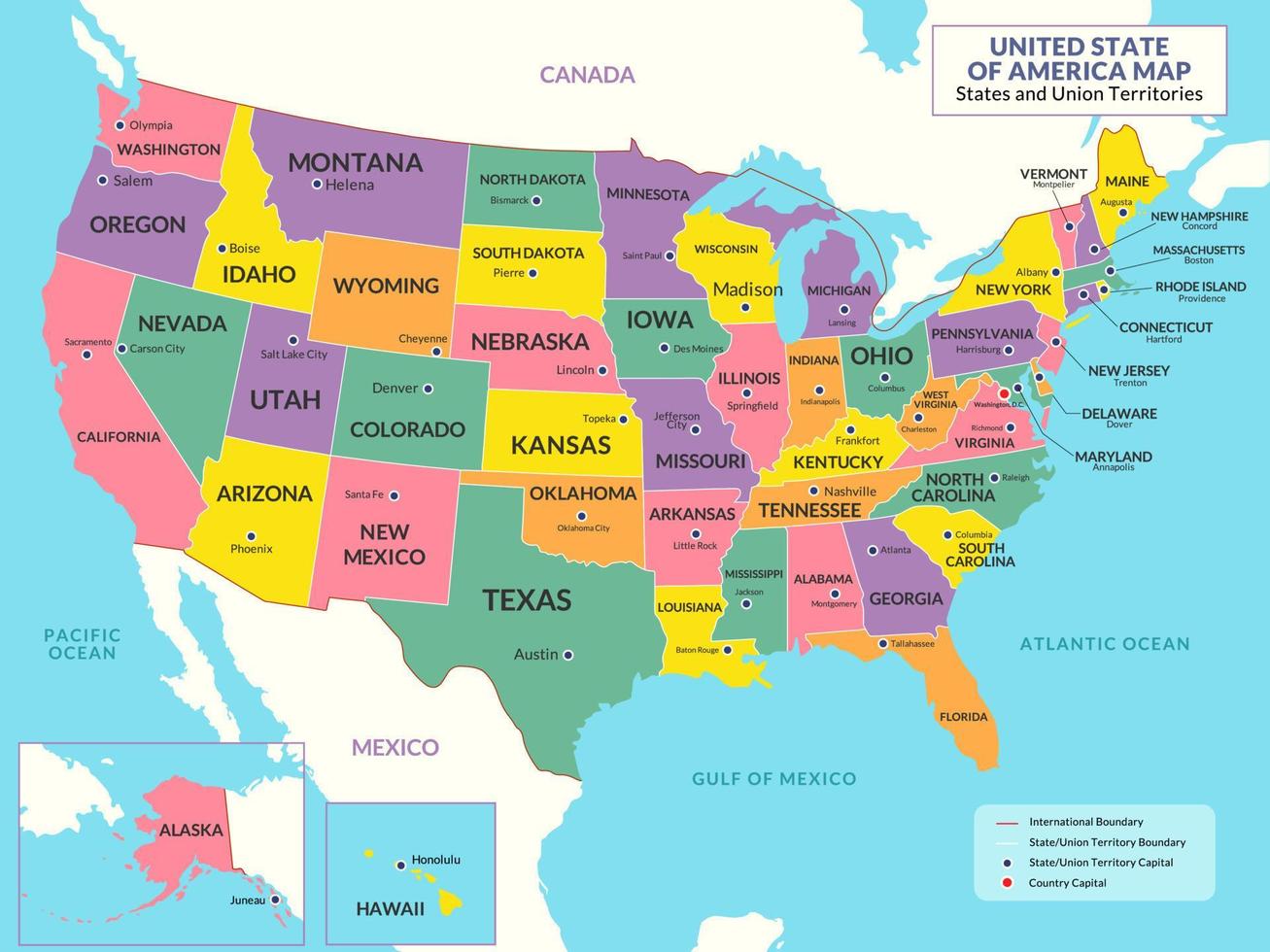
Two U.S. states are fully contained within the Pacific Time Zone: California and Washington. Four additional states—Oregon, Nevada, Idaho, and Alaska—include partial or unofficial regions that observe this time zone. Operating at UTC−8 during standard time and UTC−7 during daylight saving time, the Pacific Time Zone covers the western edge of North America, driving commerce, tech sectors, and travel logistics from Los Angeles to Seattle.
Knowing which regions fall into this zone prevents scheduling errors for national meetings, television broadcasts, and cross-country road trips. Federal oversight by the U.S. Department of Transportation regulates official time zone boundaries, though local economic ties occasionally create unique regional exceptions.
States Fully Contained in Pacific Time
Certain states maintain uniform timekeeping across all counties and municipalities.
California
California sits entirely within the Pacific Time Zone. From San Diego to the Oregon border, every city observes the exact same offset. Major economic hubs like Silicon Valley, Los Angeles, and San Francisco rely on this standard, which aligns business operations across the state's nearly 40 million residents.
Washington
Washington state operates entirely on Pacific Time. Seattle, Spokane, and Olympia share identical clocks despite geographic differences across the Cascade Mountains. Aerospace, software development, and international shipping sectors coordinate daily schedules using this single regional time standard.
States Partially Split by Time Zone Boundaries
Geographic scale and historical railroad routing caused several western states to straddle two different time zones.
Oregon
Nearly all of Oregon observes Pacific Time, with one notable exception. The majority of Malheur County in southeastern Oregon uses Mountain Time. This shift, established historically to accommodate regional trade and rail lines connecting to Idaho, means travelers crossing the county line must adjust their watches forward by one hour.
Nevada
Nevada splits its timekeeping between Pacific and Mountain zones. Las Vegas, Reno, and Carson City run on Pacific Time. However, a small portion of northeastern Nevada—including towns like West Wendover—observes Mountain Time. This exception keeps those border communities aligned economically with neighboring Utah.
Idaho
Idaho splits down its geographic middle. The southern half of the state, including Boise, operates on Mountain Time. Meanwhile, the northern panhandle region—stretching north from Salmon down through Coeur d'Alene—belongs to the Pacific Time Zone. Commuters crossing this invisible internal boundary switch time zones without leaving the state.
Alaska
While Alaska maintains its own distinct time zone, one remote community operates differently. The small town of Hyder, located in southeastern Alaska near the British Columbia border, unofficially uses Pacific Time. Because Hyder relies entirely on the road network and services of neighboring Stewart, Canada, residents keep Pacific time to simplify daily life.
Understanding PST and PDT
Timekeeping in this region shifts twice a year. Understanding the terminology prevents confusion during seasonal changes.
- Pacific Standard Time (PST): Observed from early November to mid-March. The region sits eight hours behind Coordinated Universal Time (UTC−8).
- Pacific Daylight Time (PDT): Observed from mid-March to early November. Clocks move forward one hour, shifting the offset to UTC−7.
Federal legislation under the National Institute of Standards and Technology governs the exact transition moments, which occur at 2:00 AM local time.
Common Mistakes with Western Time Zones
People unfamiliar with western geography frequently miscalculate schedules by assuming state borders match time zone lines.
- Assuming state-wide uniformity: Assuming an entire state shares a time zone leads to missed appointments in split states like Idaho or Oregon. Always check county-level time zones when traveling near state interior boundaries.
- Forgetting seasonal shifts: Scheduling software sometimes fails to adjust automatically when users input static offsets instead of dynamic zone identifiers like America/Los_Angeles.
- Confusing Mountain and Pacific neighbors: Border cities like Reno, Nevada, and Boise, Idaho, sit close geographically but operate on different time structures, causing friction for regional logistics.
Frequently Asked Questions
Does Arizona use Pacific Time?
No. Arizona observes Mountain Standard Time year-round and does not participate in daylight saving time (with the exception of the Navajo Nation in the northeastern corner).
What is the primary reference city for Pacific Time?
Los Angeles serves as the primary benchmark city for the zone, frequently used in broadcast media and weather reporting to represent the region.
How many hours behind Eastern Time is Pacific Time?
Pacific Time is exactly three hours behind Eastern Time. When it is noon in New York, it is 9:00 AM in California and Washington.
Do Canada and Mexico share this time zone?
Yes. The Canadian province of British Columbia and part of the Yukon territory, alongside the Mexican state of Baja California, observe Pacific Time alongside the western United States.



