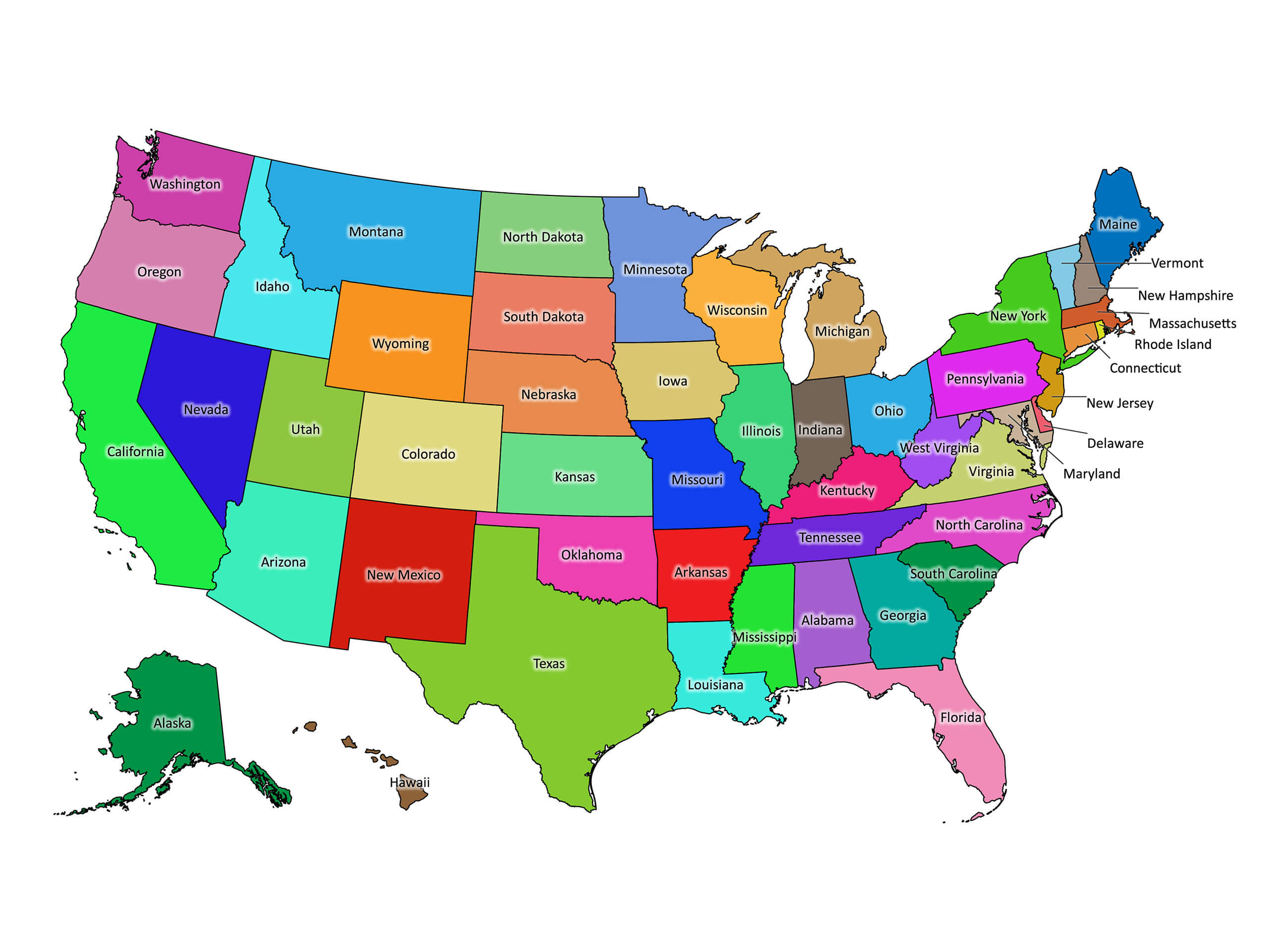
Knowing what states are in PST helps you coordinate schedules across the country without missing a beat. The Pacific Time Zone covers the western edge of North America, operating eight hours behind Coordinated Universal Time (UTC-8) during standard time and seven hours behind (UTC-7) during daylight saving time.
Only two states sit entirely within this zone, while several others share borders that split them across different time boundaries. Understanding these divisions prevents scheduling mistakes for travel, business meetings, and live broadcasts.
States Fully Located in the Pacific Time Zone
When looking at the map, two U.S. states reside completely within the Pacific Time footprint.
- California: The entire state, from San Diego up to the Oregon border, observes Pacific Time. No matter if you're in Los Angeles or San Francisco, the local clock remains uniform.
- Washington: Every county across Washington follows Pacific Time. Seattle, Spokane, and the Olympic Peninsula all share the exact same hourly offset.
Both states transition between Pacific Standard Time (PST) and Pacific Daylight Time (PDT) depending on the time of year, falling back in November and springing forward in March.
States Partially Located in the Pacific Time Zone
Four states feature internal boundaries that split them between Pacific Time and Mountain Time. Geography, commercial hubs, and historical railroad routes dictated these internal splits.
- Oregon: Almost the entire state operates on Pacific Time, except for most of Malheur County in the southeast corner. That specific pocket aligns with Mountain Time to match neighboring Idaho communities.
- Nevada: Most of Nevada, including Las Vegas and Reno, runs on Pacific Time. However, a small portion of the state surrounding West Wendover observes Mountain Time due to its economic ties to Utah.
- Idaho: The state is split right down the middle by the Salmon River. The northern panhandle (including Coeur d'Alene and Lewiston) uses Pacific Time, while the southern half (including Boise) stays on Mountain Time.
- Alaska: While Alaska spans its own primary time zone, the small southeastern town of Hyder unofficially operates on Pacific Time. It sits directly on the border of Stewart, British Columbia, choosing to share local time with its Canadian neighbors.
The Shift Between PST and PDT
A common point of confusion involves the difference between PST and PDT. Pacific Standard Time is active roughly from early November to mid-March. During these winter months, clocks sit at UTC-8.
Once daylight saving time begins on the second Sunday of March, the region shifts to Pacific Daylight Time, moving to UTC-7. Jurisdictions like Arizona and Hawaii do not observe this shift, but every state within the Pacific zone legally follows the federal U.S. Department of Transportation guidelines for seasonal clock changes.
International Regions in the Zone
The Pacific Time Zone isn't restricted to the United States. It extends across borders into neighboring countries:
- Canada: The province of British Columbia and the Yukon territory both observe Pacific time.
- Mexico: The state of Baja California follows the same hourly schedule as California, aligning cross-border commerce in Tijuana and San Diego.
Common Scheduling Mistakes to Avoid
Managing cross-country schedules requires attention to detail, especially when dealing with split states. Here are frequent errors people make:
- Assuming state borders match time zones: Treating Idaho or Oregon as single-zone entities leads to missed appointments. Always check the specific city or county.
- Confusing standard and daylight abbreviations: Scheduling a calendar event for "PST" in July actually means the time is technically PDT. Modern digital calendars handle this automatically, but manual conversions require checking the active offset.
- Overlooking neighboring zones: Mountain Time sits directly east. A mistake of a single hour can easily happen when booking travel across the eastern borders of Oregon, Nevada, or Idaho.
Frequently Asked Questions
Does all of California use Pacific Time?
Yes. Every city and county in California sits within the Pacific Time Zone.
Why is Idaho split into two time zones?
The National Institute of Standards and Technology notes that historical economic and geographic factors, particularly railroad access routes, divided Idaho so northern commerce could align with Washington while southern commerce linked with Utah.
Do Pacific Time states observe daylight saving time?
Yes, all regions within the U.S. portion of the Pacific Time Zone switch to daylight saving time in the spring and return to standard time in the autumn.
Is Nevada entirely on Pacific Time?
No. While major population centers like Las Vegas use Pacific Time, the city of West Wendover in Elko County uses Mountain Time to stay synced with Salt Lake City.



