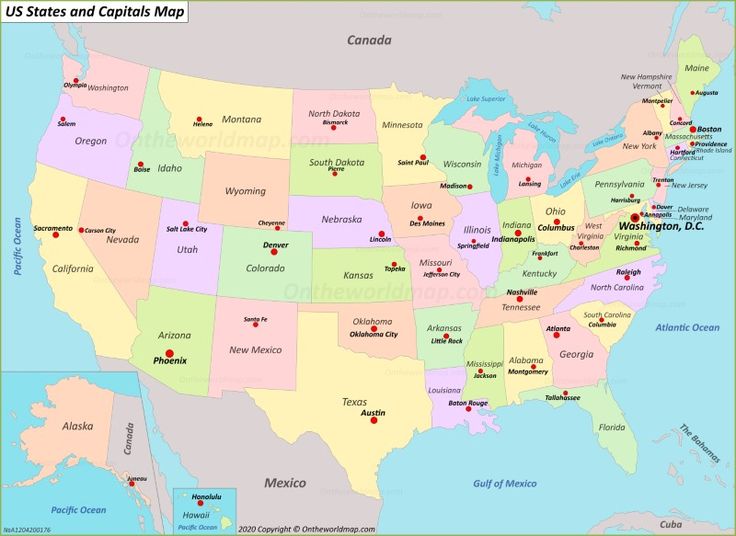
When people see the postal abbreviation MO, they are looking at Missouri, a landlocked state located in the heart of the American Midwest. Often called the "Show Me State", Missouri occupies a unique geographic and cultural space where the American East meets the West, and northern Midwestern sensibilities blend seamlessly with southern traditions. Its identity is shaped by great rivers, a legacy of westward expansion, and a complex political history that helped steer the nation toward the Civil War.
Understanding what MO represents goes far beyond a simple two-letter postal code. The state spans nearly 70,000 square miles, houses over six million residents, and features major metropolitan anchors like St. Louis and Kansas City alongside the rugged terrain of the Ozarks. Whether you're studying American expansion or planning a cross-country road trip, grasping Missouri's historical weight requires looking closely at its origins, its cultural footprint, and how it earned its famous nickname.
Geographic Identity and Location
Missouri sits right in the middle of the country, bordered by eight different states—tied with Tennessee for the most bordering states of any US region. It shares borders with Iowa to the north, Illinois, Kentucky, and Tennessee across the Mississippi River to the east, Arkansas to the south, and Oklahoma, Kansas, and Nebraska to the west.
Two massive rivers define its geography and economic history. The Mississippi River forms its entire eastern border, while the Missouri River cuts right through the middle of the state before emptying into the Mississippi just north of St. Louis.
- Northern Plains: Rolling plains and fertile glacial till left over from ancient ice ages, historically used for intensive farming.
- The Ozarks: A rugged, heavily forested highland region covering the southern half of the state, known for deep caves, spring-fed rivers, and rugged limestone bluffs.
- The Bootheel: A flat, alluvial plain in the southeastern corner of the state that marks the lowest elevation, heavily reliant on cotton and rice farming.
Etymology and the Origin of the Name
The name Missouri comes from the Missouria people, an indigenous Siouan-speaking Native American tribe that lived along the banks of the great river bearing their name. French explorers and colonists transliterated the Illinois language name for the tribe, which roughly translated to Wimihsoorita, meaning "those who have dugout canoes".
Over time, European settlers shortened and anglicized the term to apply first to the river, then to the territory, and finally to the sovereign state admitted to the Union.
Historical Significance: Gateway to the West
Missouri's historical weight centers heavily on its role as the ultimate launchpad for nineteenth-century American expansion. Because St. Louis sat at the confluence of the Mississippi and Missouri rivers, it became the primary departure point for explorers, fur traders, and pioneers heading west.
The Louisiana Purchase and Lewis and Clark
Following the Louisiana Purchase in 1803, President Thomas Jefferson doubled the size of the United States. St. Louis served as the staging ground for the Corps of Discovery. In 1804, the Lewis and Clark Expedition departed from Camp Dubois just outside St. Louis, heading up the Missouri River to map the uncharted western territories all the way to the Pacific Ocean.
Pioneer Trails
Decades later, Missouri cities like Independence and Kansas City became the official starting posts for the major overland routes. Thousands of families packed their belongings into covered wagons and set off along:
- The Oregon Trail: Heading northwest toward fertile Pacific Northwest valleys.
- The California Trail: Carrying fortune seekers toward the Sierra Nevada during the gold rush.
- The Santa Fe Trail: Functioning as a vital commercial highway connecting central Missouri to Spanish-Mexican trade hubs in New Mexico.
The iconic Gateway Arch in St. Louis—standing at a monumental 630 feet tall—now commemorates this exact history, honoring Missouri's status as the historic threshold of the American frontier.
The Missouri Compromise and Statehood Struggles
Missouri entered the Union on August 10, 1821, as the 24th state. However, its path to statehood ignited a national crisis over slavery that foreshadowed the Civil War.
When the territory applied for statehood in 1818, it sought admission as a slave state, which would have upset the delicate balance of power in the US Senate between free and slave states. Congress debated the issue for two years until the passage of the Missouri Compromise of 1820. Crafted by Henry Clay, the agreement admitted Missouri as a slave state and Maine as a free state, while drawing an imaginary geographical line across the remaining Louisiana Territory (latitude 36°30' north), barring slavery north of it.
During the American Civil War, Missouri remained a deeply divided border state. Although it stayed officially in the Union, large factions of its population sympathized with and supplied troops to the Confederacy, resulting in intense guerrilla warfare and internal conflict throughout the 1860s.
How Missouri Became the "Show Me State"
Missouri has several nicknames—including the Cave State due to its more than 7,300 recorded limestone caverns—but none is more famous than the "Show Me State".
While the exact origin remains debated by historians, the most popular and credible attribution points to an 1899 speech by Missouri Congressman Willard D. Vandiver. Speaking at a naval banquet in Philadelphia, Vandiver stated: "I come from a state that raises corn and cotton, cockleburs and Democrats, and frothy eloquence neither convinces nor satisfies me. I'm from Missouri. You've got to show me."
The phrase caught on nationwide, embodying a stereotypically practical, skeptical, and grounded mindset attributed to working-class Midwesterners.
Cultural Contributions and Modern Economy
Today, MO is recognized worldwide for its distinct cultural exports and robust industrial base.
- Musical Roots: The state is widely recognized as a primary incubator for American music. Kansas City jazz and St. Louis ragtime shaped the evolution of modern jazz and blues. Icons like Chuck Berry, Tina Turner, and Scott Joplin built their foundational styles within state borders.
- Culinary Identity: Kansas City-style barbecue—characterized by slow-smoked meats slathered in thick, sweet, tomato-based sauces—is a globally recognized culinary tradition.
- Industry and Commerce: St. Louis hosts major corporate headquarters and massive manufacturing infrastructure, including historic brewing operations like Anheuser-Busch. Meanwhile, agriculture remains a powerhouse, producing vast yields of soybeans, corn, and beef cattle.
To learn more about state government services and official documentation, you can visit the Official Missouri State Website. For comprehensive geographic data and mapping resources, consult the US Geological Survey.
Frequently Asked Questions
What is the capital of Missouri?
The capital is Jefferson City, located along the Missouri River in the central part of the state. It is named after third US President Thomas Jefferson, though it is much smaller than economic powerhouses like Kansas City and St. Louis.
Why is Missouri abbreviated as MO instead of MI?
Postal abbreviations generally use the first and last letters of a state's name when the first two letters are already taken. Michigan claimed MI early in the standardization process, leaving Missouri to take MO.
Is Missouri considered part of the South or the Midwest?
Missouri is culturally and geographically a hybrid. While it shares historical ties to southern agriculture and was admitted as a slave state, its economic alignment, industrial growth, and modern demographics place it firmly in the American Midwest.
What major tourist attractions define Missouri today?
Beyond the Gateway Arch in St. Louis, top destinations include the Country Club Plaza and jazz museums in Kansas City, the entertainment hub of Branson in the Ozarks, and Silver Dollar City.



