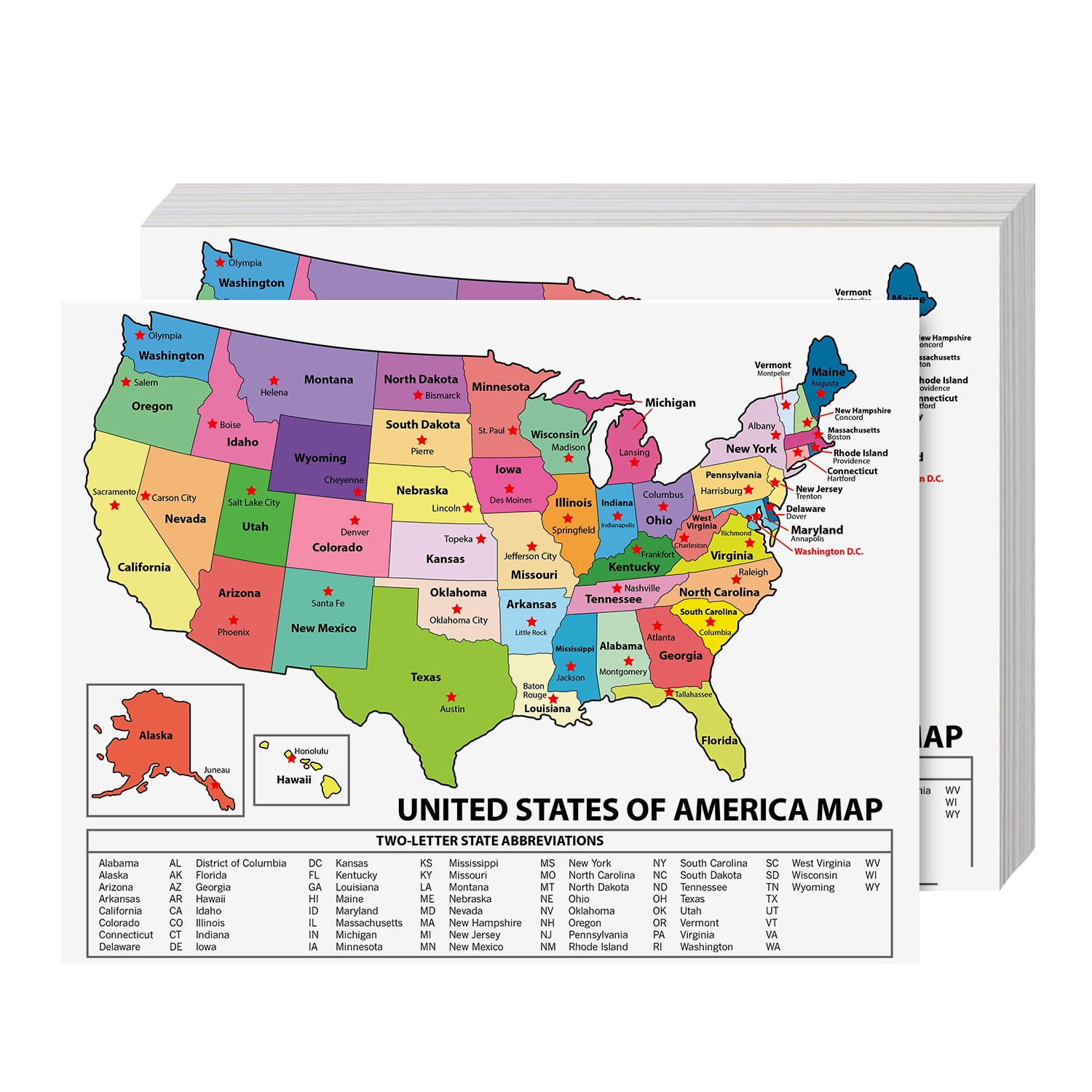
When people ask what state is MA, the short answer points directly to Massachusetts. Yet that two-letter postal code hides a deeper constitutional distinction. Massachusetts isn't legally just a standard state; it is officially designated as a commonwealth, sharing that rare political title with only three other jurisdictions in the United States.
Understanding why Massachusetts holds this title, how it differs from ordinary states, and what "MA" represents requires looking back at colonial history and early American law. While colloquially treated just like any other member of the union, its foundational documents carry unique terminology that persists today.
What Does MA Stand For?
The letters MA serve as the official two-letter postal abbreviation for Massachusetts, assigned by the United States Postal Service to streamline mail routing across the country. Long before zip codes and automated sorting machines, the state used abbreviations like "Mass."
The modern two-letter standard became universal in the 1960s to accommodate computerized data processing. Despite the abbreviation, the full official title used in legal frameworks is the Commonwealth of Massachusetts. This phrasing appears on state legislative acts, court documents, and official seals, separating its formal identity from how residents speak about it day to day.
Is Massachusetts a State or a Commonwealth?
It is both. Calling Massachusetts a commonwealth doesn't make it any less of a U.S. state. It holds the exact same constitutional footing, sends the same number of senators and representatives to Congress, and obeys federal law just like Texas, California, or New York.
The term commonwealth is purely honorific and historical. It originates from English political philosophy, denoting a political community founded for the common good rather than governed by a monarch. When drafting the Massachusetts Constitution in 1780—principally authored by John Adams—the founders chose the word to emphasize a government based on the consent of the people and dedicated to collective welfare.
The Four U.S. Commonwealths
Massachusetts shares its unique designation with three other states. Each adopted the term for different historical reasons during the formation of the nation:
- Massachusetts: Adopted the term in its 1780 constitution to reflect a republican government derived from the people.
- Virginia: Known historically as the Colony and Dominion of Virginia, it chose commonwealth status after declaring independence from Great Britain to signify a body politic free of royal rule.
- Pennsylvania: Drafted its first constitution in 1776 and used commonwealth to denote a democratic government run for public benefit.
- Kentucky: Originally part of Virginia, Kentucky separated and entered the union in 1792, keeping the commonwealth designation tied to its Virginian legal roots.
None of these four states possess extra legal powers or unique privileges denied to the other 46 states. Legally, the word "commonwealth" is an interchangeable synonym for "state" within the American federal system.
Legal and Practical Differences
Many casual observers wonder if being a commonwealth changes how laws are passed or how courts operate. In practical terms, it changes nothing.
The primary difference lies in legal styling. Court cases prosecuted by the state are titled Commonwealth v. [Defendant] instead of State v. [Defendant] in Massachusetts, Pennsylvania, and Virginia. Kentucky follows this same naming convention in its high courts.
Furthermore, historical documents like the Massachusetts Constitution use archaic phrasing like "the commonwealth" instead of "the state" within their text. Beyond courtroom captions and constitutional preamble language, the day-to-day operations of local government, taxation, policing, and education run identically to standard states.
Common Misconceptions About MA
Confusion often surrounds what MA means and how state terminology works in America. Clearing up these errors helps map out geographic and legal realities clearly.
Confusion With Maine
People unfamiliar with New England geography occasionally confuse MA (Massachusetts) with ME (Maine). While both sit in the northeastern corner of the country and share maritime borders, Maine was originally part of Massachusetts until it gained statehood in 1820 under the Missouri Compromise. They are separate sovereign states today.
Thinking Commonwealths Are Territories
A common mistake assumes that a commonwealth like Massachusetts shares status with U.S. territories like Puerto Rico or the Northern Mariana Islands. Territories are unincorporated or incorporated areas under U.S. control that lack full statehood representation in Congress. Massachusetts is a fully integrated state with complete voting power in federal elections.
Believing Federal Laws Apply Differently
Some assume that commonwealths operate under a distinct branch of constitutional law. Federal supremacy applies uniformly across all 50 states, regardless of whether their official title uses "State" or "Commonwealth."
Frequently Asked Questions
Can Massachusetts change its name to drop commonwealth?
Yes, the state legislature could theoretically amend the state constitution to drop the term, but doing so would require a constitutional convention or legislative votes followed by public referendum. Residents view the title as a point of pride rooted in Revolutionary War history, making any change unlikely.
Do other countries use the term commonwealth?
Yes. Internationally, the term designates associations of sovereign nations, such as the Commonwealth of Nations, or internal states like the Commonwealth of Australia.
Does the postal abbreviation MA stand for anything else?
Within the United States postal system, MA is exclusively reserved for Massachusetts. Internationally, MA serves as the ISO country code for Morocco, which can occasionally cause confusion in global shipping data.
Where can I find official state resources?
To review governance details, check the Official Site of Commonwealth of Massachusetts or read historical context via Encyclopaedia Britannica.



