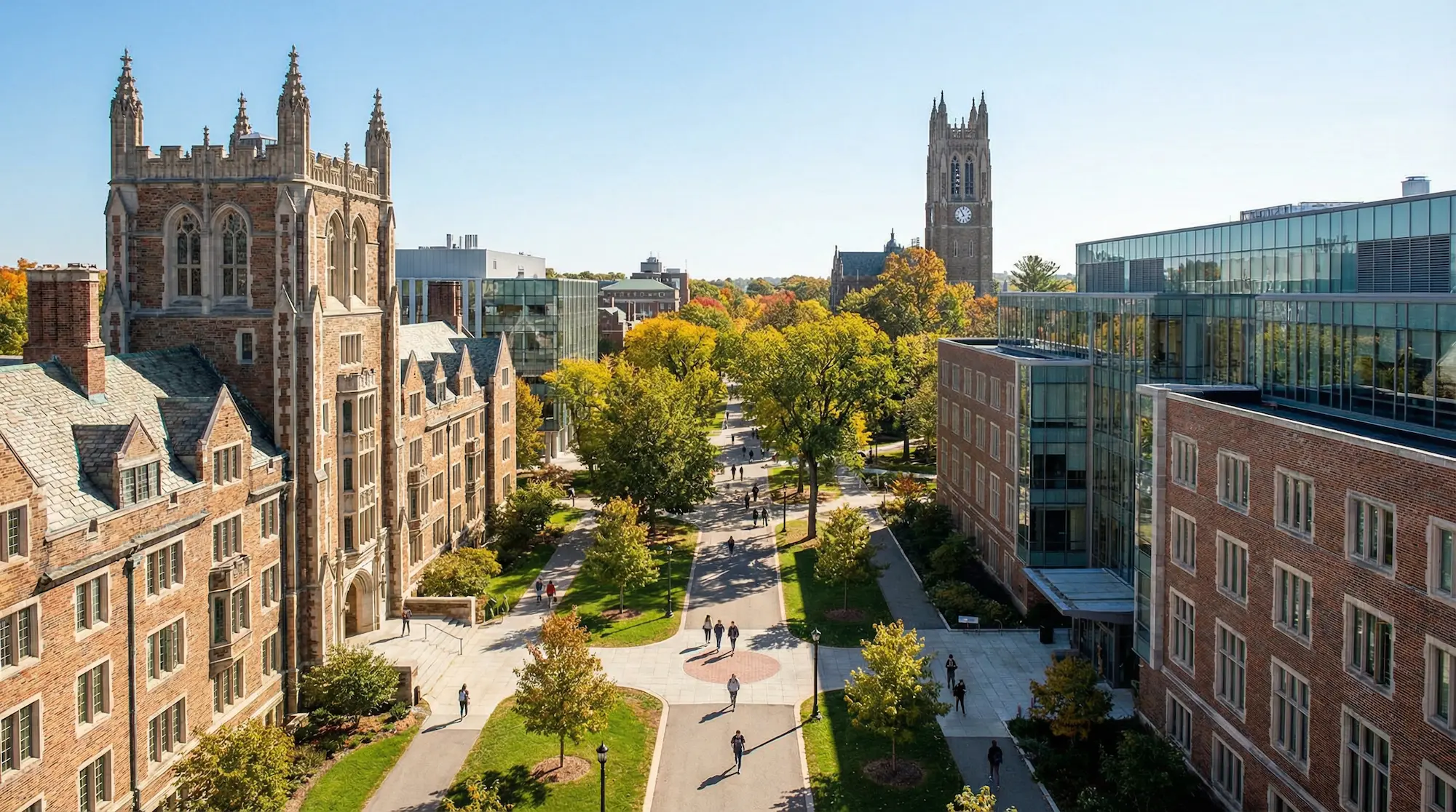
When prospective students and researchers look at the University of Missouri, they usually focus on its dual identity as a land-grant flagship institution and a hub for media innovation. Founded in 1839 in Columbia, Missouri, it is the first public university west of the Mississippi River. Today, the institution—widely known as Mizzou—earns recognition for pioneering journalism training, extensive research output, and a distinct culture blending SEC athletics with deep community engagement.
Understanding what makes this institution unique requires looking beyond standard promotional brochures. Mizzou combines historic roots with modern infrastructure, maintaining a massive research enterprise while serving as a cultural center for the state.
The Missouri Method in Journalism
Mizzou holds global renown for its Missouri School of Journalism, established in 1908 as the first of its kind in the world. The defining philosophy here is the "Missouri Method," which emphasizes learning by doing from day one. Students don't just sit in lecture halls; they run professional newsrooms, commercial television stations, and public radio networks.
Undergraduates work directly for outlets like KBIA-FM, KOMU-TV, and the Columbia Missourian. This hands-on structure means graduates enter the media industry with actual portfolios rather than theoretical knowledge. Over the decades, alumni from this program have collected numerous Pulitzer Prizes, anchoring the university's reputation as a premier destination for aspiring reporters, editors, and strategic communicators.
Research Excellence and Flagship Innovation
As a comprehensive research university, Mizzou operates as an economic and scientific engine for the Midwest. The campus features the MU Research Reactor, the most powerful university-based research reactor in the United States. This facility produces radioisotopes used globally for treating various forms of cancer and advancing nuclear medicine.
Research expenditures consistently break records, surpassing $460 million annually. Faculty and student researchers focus heavily on life sciences, animal health, and sustainable agriculture. Because it is one of only a small number of American universities that combines a comprehensive medical school, veterinary medicine, agriculture, engineering, and law on a single campus, interdisciplinary collaboration happens naturally. Students can easily transition from undergraduate labs into complex, grant-funded projects alongside leading scientists.
Academic Breadth Beyond Journalism
While journalism gets considerable attention, Mizzou offers more than 300 degree programs across diverse colleges and schools.
- Agriculture, Food and Natural Resources: Home to pioneering agricultural research that influences farming practices across North America.
- Engineering: Houses specialized programs in biomedical and computer engineering, contributing structural innovations globally.
- Health Professions and Medicine: Trains a significant portion of healthcare professionals practicing in the region, supported by a major health system.
Class sizes vary, but the faculty-to-student ratio ensures that undergraduates retain access to mentorship. Honors programs and undergraduate research fellowships provide motivated learners with pathways usually reserved for graduate students.
Campus Culture and Community Involvement
Life at Mizzou is defined by a vibrant campus spirit and an active approach to public service. The campus itself is recognized as a historic botanic garden, featuring iconic structures like the historic Academic Hall columns standing in the Francis Quadrangle.
Community involvement extends far beyond campus borders through the UM System's engagement networks. Programs connect student volunteers with local schools, healthcare initiatives, and economic development projects across all 114 Missouri counties. Furthermore, student life thrives through hundreds of registered organizations, Greek life, and Southeastern Conference (SEC) sports traditions. Game days at Faurot Field draw massive crowds, unifying the student body and alumni network across the globe.
Frequently Asked Questions
Is the University of Missouri a public or private institution?
It is a public, land-grant research university and the flagship campus of the University of Missouri System.
What is Mizzou's acceptance rate?
The acceptance rate typically hovers around 75% to 80%, reflecting a holistic admissions process that evaluates GPA, coursework rigor, and extracurricular involvement.
Where is the main campus located?
The main campus is located in Columbia, Missouri, situated roughly midway between St. Louis and Kansas City.
What sports conference does Mizzou compete in?
Mizzou competes in the Southeastern Conference (SEC) at the NCAA Division I level, fielding competitive teams in football, basketball, gymnastics, and wrestling.
Learn more about the institution's offerings by visiting the official University of Missouri Admissions portal or exploring the University of Missouri System overview.
Fubu Toy review This video is relevant because it provides a firsthand visual overview and review that complements the campus culture discussions.



