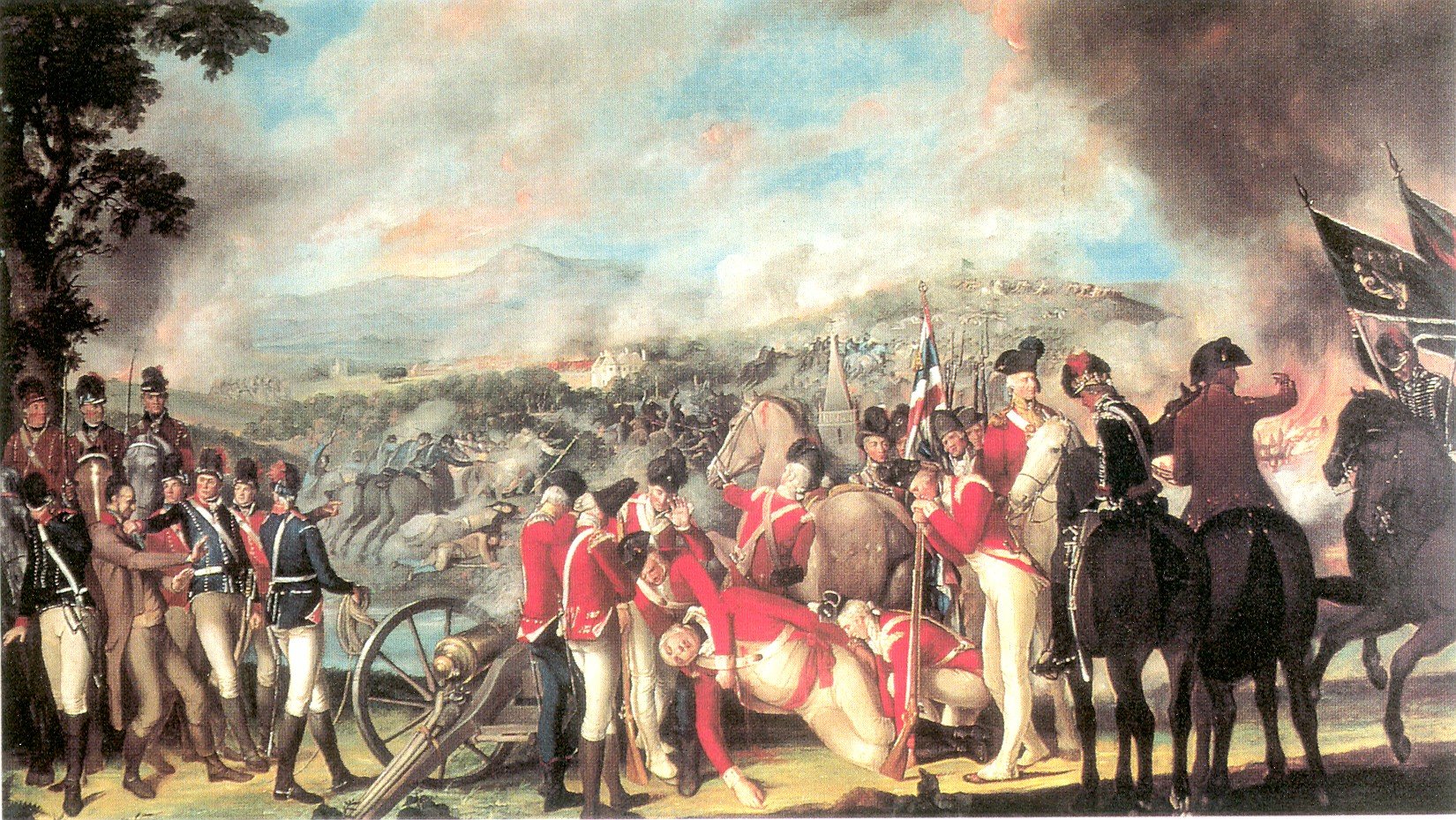
What is rebellion? At its core, rebellion is an organized, active uprising that resists or seeks to overthrow an established authority, government, or institutional power. Unlike fleeting disobedience or quiet dissent, a rebellion involves coordinated collective action aimed at shifting political control or rewriting the social contract.
Throughout history, the anatomy of defiance has evolved from physical revolts against ancient monarchies into digital, decentralized campaigns against modern corporate and state surveillance. Understanding this evolution requires examining why uprisings happen, how they succeed or fail, and what distinguishes a rebellion from other forms of civil unrest.
Defining Rebellion and Its Core Drivers
To understand rebellion, we must look at what triggers collective resistance against established order. People don't risk their safety, livelihoods, or freedom on a whim. Uprisings typically stem from deep systemic grievances that accumulate over years or decades.
When economic inequality reaches extremes, taxation becomes predatory, or basic civil liberties face systematic erosion, the perceived cost of compliance eventually outweighs the cost of resistance. Political scientists often point to the concept of relative deprivation—the discrepancy between what people feel they deserve and what they actually have—as a primary catalyst for revolt. Further reporting by Bloomberg highlights related perspectives on this issue.
- Economic Strain: Severe food shortages, hyperinflation, or crushing tax burdens have sparked peasant revolts and modern bread riots alike.
- Political Exclusion: When a ruling class denies a population any legal mechanism for representation or recourse, underground resistance movements form out of necessity.
- Cultural Suppression: Efforts by governing authorities to erase local languages, religious practices, or traditions frequently ignite fierce nationalist and cultural rebellions.
According to historical analyses from institutions like the Library of Congress, enduring conflicts rarely emerge from single isolated incidents; instead, they represent the boiling point of prolonged institutional neglect.
From Ancient Revolts to Feudal Uprisings
Ancient and medieval rebellions were intensely local, constrained by primitive communication and transport networks. Yet, their structural patterns laid the groundwork for modern political theory.
The Spartacus slave revolt in ancient Rome, spanning from 73 to 71 BC, demonstrated the explosive potential of marginalized groups organizing against brutal systemic exploitation. Though ultimately crushed by Crassus, it exposed the profound vulnerabilities at the heart of imperial power structures.
Centuries later, feudal Europe witnessed massive peasant uprisings, such as the English Peasants' Revolt of 1381. Driven by the imposition of poll taxes following the demographic catastrophe of the Black Death, rural laborers marched on London to demand the abolition of serfdom.
These early movements shared common traits:
- They relied on decentralized local leadership rather than centralized command.
- Their participants used improvised weaponry, from agricultural tools to hunting gear.
- They targeted tax collectors, manor houses, and administrative records rather than standing armies directly.
The Age of Ideological Revolutions
The nature of rebellion shifted dramatically during the Enlightenment and the Atlantic Revolutions of the late eighteenth century. Uprisings stopped being merely reactionary responses to immediate suffering and became proactive campaigns for constitutional governance and natural rights.
The American Revolution and the French Revolution introduced formal manifestos and philosophical frameworks to the art of defiance. Leaders didn't just want to replace a tyrant; they wanted to redefine the very nature of political legitimacy.
As documented in historical archives maintained by the National Archives, documents like the Declaration of Independence systematically outlined the philosophical justification for throwing off an oppressive government. This era established the blueprint for modern political rebellion: structured organization, explicit ideological goals, and appeals to international allies for legitimacy.
Modern Movements and Digital Defiance
In the twentieth and twenty-first centuries, rebellion transformed again. Twentieth-century anti-colonial struggles and civil rights movements proved that non-violent mass non-cooperation could paralyze entrenched state apparatuses just as effectively as armed insurrection.
Today, digital connectivity has redefined the mechanics of defiance. Modern movements coordinate globally in real time through encrypted messaging apps, bypass state-controlled media via decentralized networks, and deploy digital activism to disrupt corporate and government operations.
Yet, the fundamental goals remain unchanged. Whether it's citizens protesting biometric surveillance or workers striking against exploitative gig-economy algorithms, contemporary defiance still centers on reclaiming autonomy from opaque centers of power.
Common Mistakes in Analyzing Rebellion
When observers, journalists, and historians analyze acts of defiance, they frequently fall into specific conceptual traps. Avoiding these errors yields a clearer picture of how social change actually happens.
- Confusing Riots with Rebellion: A riot is spontaneous, disorganized emotional venting of anger or frustration. A rebellion requires coordination, sustained purpose, and a strategic objective.
- Ignoring Economic Realities: Attributing uprisings purely to abstract ideological disagreement ignores the stark material conditions—such as unemployment, inflation, or famine—that drive people into the streets.
- Romanticizing the Outcome: Popular culture often portrays rebellions as immediate triumphs of good over evil. In reality, most uprisings fail, face brutal suppression, or inadvertently give rise to new, equally repressive regimes.
Frequently Asked Questions
What is the difference between rebellion and revolution?
A rebellion resists or challenges authority through organized defiance, which may or may not succeed or seek total systemic overhaul. A revolution successfully overthrows the existing political and social structure and replaces it with an entirely new system of governance.
Can a rebellion be entirely non-violent?
Yes. Historical precedents like Mahatma Gandhi's Salt March and the broader Indian independence movement, as well as the 1989 Velvet Revolution in Czechoslovakia, prove that sustained mass non-cooperation can successfully dismantle ruling authorities without armed conflict.
How do governments typically respond to early-stage rebellions?
Governments usually deploy a mix of concessions and crackdowns. They may offer economic relief or minor political reforms to appease moderates while using police forces, curfews, or emergency laws to arrest ringleaders and suppress radical elements.
Why do most rebellions fail?
Most uprisings lack sustained financial backing, suffer from internal ideological fractures, or face overwhelming military and technological superiority from professional state security forces. Without broad popular support or international recognition, isolated movements quickly collapse under pressure.



